Low T is a problem faced by all too many men. Stress, an unhealthy diet, exposure to T-sapping toxins – all of these things can contribute to lowered androgens. Many guys are not aware that you can reverse these issues simply by including more foods that boost T.
In this post, we start of with an easy to use graphical reference for T boosting foods. After this section we will continue with a short introduction to T and low T symptoms, along with detailed explanations of the cornerstones of T nutrition such as dietary fats and grass-fed animal products.
If your T-levels are low enough, you may be diagnosed with a medical condition called andropause and be prescribed androgens in the form of gel, patches, or injections.
Prescription T is not something guys should be asking their doctors for when they have a problem, instead you should be asking how to increase your T naturally. Many men suffering from low T go through life feeling less manly than they really should without ever asking how to raise T.
Fear not, healthy T levels can often be restored through diet and lifestyle modification. You won’t have to go through life relying on a prescription to provide you your manliness.
THE MANLY GROCERY LIST
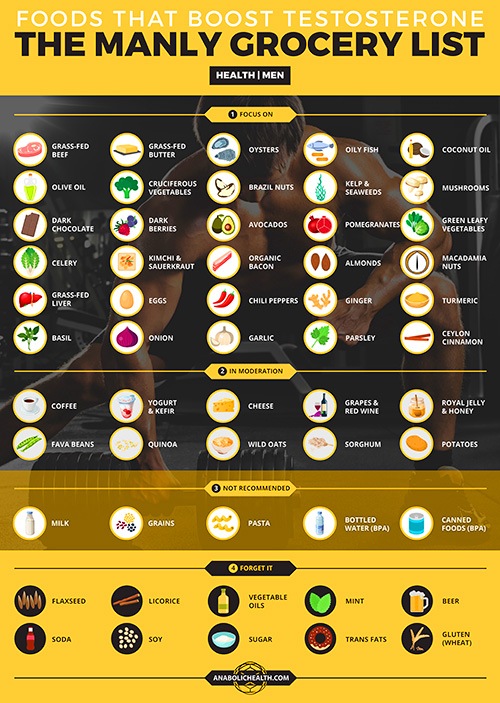
To easier implement the nutritional changes required for maximum natural T production, we developed this grocery list infographic.
We suggest you download it below and print it out, tape it to your fridge, and bring it to the supermarket when you do your weekly grocery shopping.
Share this image with all your bros in need by hovering on the image, and click the share icons in the upper right corner.
You can also order it as a high resolution poster below, the ideal option for putting it up on your kitchen wall. This will help increase the chances of you following through with these dietary changes to reap the many benefits of higher T levels.
We also included foods we don’t recommend that can actually LOWER your T. We are currently working on another epic post covering these foods in more detail, so stay tuned. In the meantime, just AVOID including them in your diet for best results.
I WANT THE POSTER DOWNLOADShare this Infographic On Your Site:
FOCUS ON
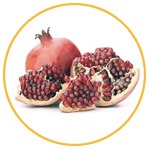
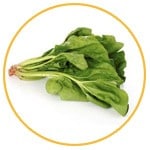
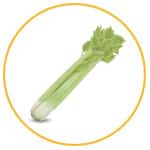
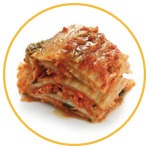

IN MODERATION


The Ultimate Guide to Manly Cooking
- FOCUS ON
- IN MODERATION
- THE MANLY GROCERY LIST
- Share this Infographic On Your Site:
- Increase Testosterone and Achieve Hormonal Health
- An Introduction To T
- A Peek into the History of T
- The Process of Your Masculinity
- The Three States of T
- Symptoms of Low T
- T Boosting Foods and Dietary Fats
- Unsaturated
- Saturated
- Cholestrol
- Excessive Fat Intake
- The Importance of Meat Being Grass-Fed and Organic
- What’s the Real Score With Beef?
- Grass-Fed vs Grain-Fed Cows
- Why You Should Always Choose Grass-Fed Beef
- Fatty Acids
- Omega Fatty Acids
- Saturated Fats
- Conjugated Linoleic Acid
- Essential Nutrients Found in Beef
- Vitamin A
- Antioxidants
- Minerals
- Proteins
- Lesser Known Nutrients
- Vitamin K
- Antibiotics, Toxins, Xenoestrogens and More
- Bottom Line
- Don’t Forget the Plant Kingdom
- 50 FOODS THAT BOOST T
- MEATS & PROTEIN
- Oily fish
- Oysters
- Eggs
- Grass-Fed Beef
- Gelatin
- Organic Bacon
- Liver
- FATS & OILS
- Olive oil
- Coconut oil
- Argan Oil
- DAIRY
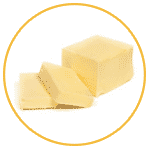
- Grass-Fed Butter
- Yogurt & Kefir
- Blue Cheese
- FRUITS
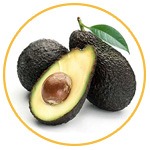
- Avocados
- Pomegranate
- Grapes
- Raisins
- Dark Berries
- Pineapple
- VEGETABLES
- Celery
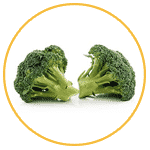
- Cruciferous Vegetables
- Spinach
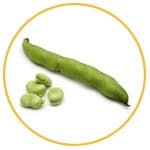
- Fava Beans
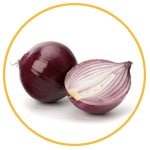
- Onions
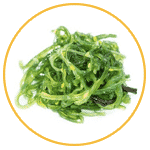
- Kelp & Seaweeds
- Kimchi & Sauerkraut
- NUTS
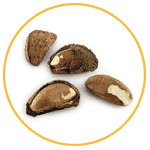
- Brazil Nuts
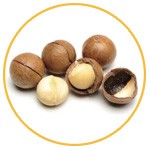
- Macadamia Nuts
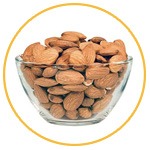
- Almonds
- GRAINS
- Sorghum
- Wild Oats
- DRINKS
- Kombucha
- Coffee
- SPICES & OTHERS
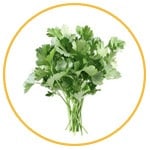
- Parsley
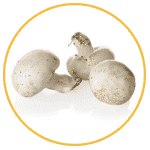
- White Button Mushrooms
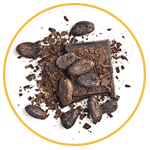
- Dark chocolate
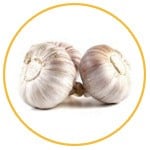
- Garlic
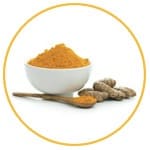
- Turmeric
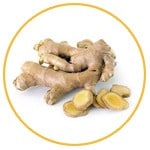
- Ginger
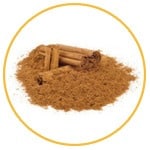
- Ceylon Cinnamon
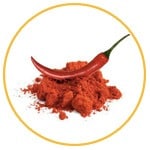
- Chili Peppers
- Real Salt
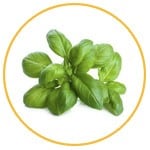
- Basil
- Quinoa
- Baking Soda
- Royal Jelly
- Conclusion
An Introduction To T
Many would agree that without T, men would not have most of their defining characteristics that makes them men. So, it should not come as a surprise that T is deemed THE male compound – even though other androgens do exist and T also exists in women. Now, if you wish to maximize the T’s potential, knowing the basics isn’t going to cut it.
A Peek into the History of T
How did the scientific community become aware of this compound’s existence? In the 1800s, Charles-Edouard Brown-Sequard was experimenting with animal testicles. What he did was injecting the combined extracts of dog and guinea pig testicles into himself (oh the things we do in the name of science…). Whenever he did this, he noticed a temporary boost in both mind and body effects.

Despite how encouraging that might seem, given the fact that the effects were temporary and that the content and his means of taking in the “elixir” was rather questionable, he managed to pique people’s curiosity. In the following years, more and more scientists stumbled upon the masculinity-boosting effect of testicle extracts. But it was not until 1935, however, that they managed to isolate the compound.
The Process of Your Masculinity
Soon enough, scientific experts realized that the abundance of T in the body influences fertility, sex drive, muscle mass, bone density, and even fat distribution. So, if ever your body fails to make enough of this important androgen, it’s essentially guaranteed that you will develop all kinds of problems that could greatly impact your quality of life.
The question now is this – how does your body make sure it has enough T? The process starts by the release of GnRH from the hypothalamus. Once that reaches the pituitary gland, LH gets secreted. This, in turn, travels towards the Leydig cells – a group of specialized interstitial cells in the testicles.
In the presence of LH, the aforesaid cells begin to produce T. That process continues as long as necessary, or at least as long as there’s enough amounts of cholesterol. You’ve read it right. The widely-known male compound is actually built from the very same thing that has been repeatedly falsely accused of causing heart disease.
The Three States of T
Don’t think that all the T you produce gives your masculinity a boost. The androgen gets sorted into three different states – SHBG-bound, albumin-bound, and free (unbound) T. Understanding these are key to harnessing the power of some foods for freeing up more T.
The first one isn’t what most men seek, given that it doesn’t give you any benefits at all. In fact, it’s common for bodybuilders to try and lower the amount of SHBG in their bodies to free up more T.
Free T, on the other hand, is what provides all the perks – the increased libido, the leaner physique, and the improved bone and muscle strength. The third and last kind bound to albumin, is best considered a reserve. While it isn’t capable of immediately giving those benefits, it can be easily unbound and made free whenever necessary.
Symptoms of Low T
- Low sex drive
- Fatigue
- Difficulty sleeping
- Weakness and muscle loss
- Difficulty concentrating
- Mood swings
- Low sperm count leading to difficulty reproducing
- Low motivation
- General reduced quality of and enjoyment for life
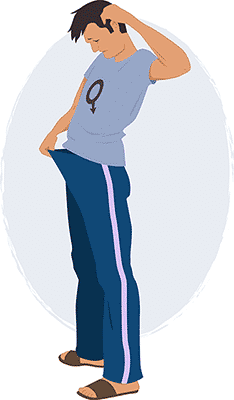
Needless to say, no man in his right mind wants to feel like this! Thankfully, there are lots of foods to increase T and including them in your diet are among the best natural ways to boost T. Making sure you provide your testicles with the right building blocks for optimal performance is important.
Foods that are natural T boosters work in one of two ways; they either directly increase T production or they help control estrogen – T’s evil twin (well, sort of evil for men).
There are also foods that increase estrogen – like for example soy, flax seed and beer. Hence, we can consider these, foods that lower T.
If you are suffering from the symptoms of low T or simply want to make sure you never do, we created this list of T foods to give you the best guidelines on foods that boost T naturally by providing your body with the building blocks to make that happen.
We recommend keeping track of your T levels by doing regular blood tests:
T Boosting Foods and Dietary Fats
At this point, it should already be clear to you why men love increasing their T production. You’ve also learned that the androgen itself is made from cholesterol. So, by connecting those pieces of information, you’ll arrive at one fascinating possibility – by taking in dietary fats, your T levels should rise.
Does that mean that eating just any fat will give you the changes you desire? Unfortunately, no. There are different kinds of fat, and they don’t have the same effects on the androgen. To better understand what you should be eating, it’s only appropriate that you learn a bit more about the three main types of fat:
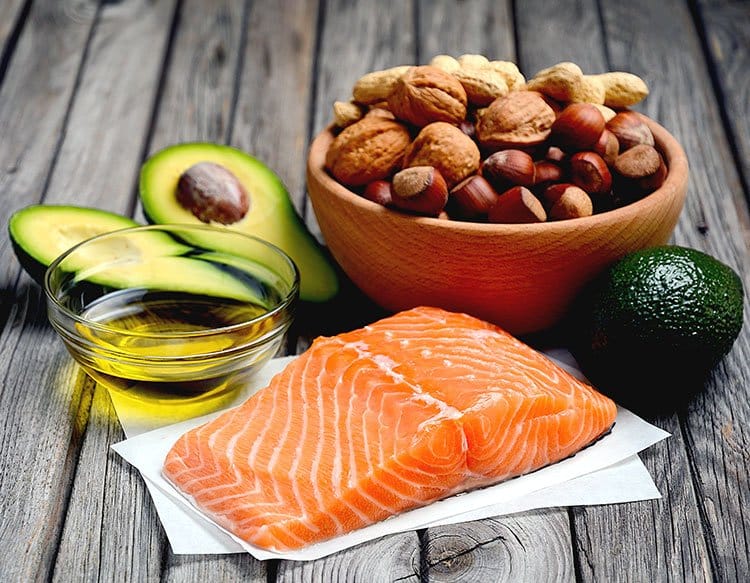
Unsaturated
There are also other oils that could boost T, such as patchouli oil which is an plant oil. However, stay away from essential oil from the mint family, as they are all potent phytoestrogens.
Saturated
Cholestrol
Excessive Fat Intake
Aside from being mindful of the lipids you’re getting inside your body, you have to make sure that you’re only getting what you need, especially if you are struggling to maintaining a healthy weight. If you’re going to increase your fat intake, you should make the appropriate changes to the ratio of other macronutrients such as carbohydrates – your total caloric intake for each day should stay within acceptable range for your weight and energy demands.
The only time where fat can be consumed freely is if you’re following a ketogenic diet that is low carb. In a ketogenic state the body will convert fatty acids into ketones for fuel instead of relying on glucose. A ketogenic diet is great for your overall health and T levels but is very strict, so most people prefer to cycle it and only use when weight loss is needed. Ketones can also be consumed in the form of supplements as a booster.
Remember that each gram of fat gives nine calories, which is much more than equal grams in protein or carbs. Also, if you are consuming large amounts of carbohydrates in your diet, avoid doing it at the same time as fats since large amounts of fats and carbs can be problematic.
If you fail to maintain that, you will get fat. The lipids that get stored in your body fat don’t just get you further away from a lean, impressive physique – it reduces your masculinity as well. Aside from lowering T through leptin’s presence, body fat activates aromatase – an enzyme that specifically seeks T and converts it into estrogen.
Here at Anabolic Health, we prefer low carb, moderate/high protein, high fat diets and if you are going to use carbohydrates, use them only for performance at workouts. This way you are less likely to cause inflammation or struggle with overweight.
If you ever read that carbs are required for T production, that’s complete bull, we have done blood testing ourselves for years and carbs has no long term effects on T. The studies you see that shows a decrease are either using the wrong macros or are not allowing the body adapt enough in-between diets. Countless of traditional populations have lived on very low carbohydrate diets without any issues with their T levels.

The Importance of Meat Being Grass-Fed and Organic
It’s surprising that despite the incredible taste, beef is one of those kinds of food that is rather polarizing. Some people believe that red meat is bad for health, while the research shows otherwise. Hardcore Paleo advocates even believe that raw meat is the best protein source. Whatever your position is, you’ll want to know about the importance of meat being grass-fed and organic since it can have huge implications in your health, and especially when it comes to androgens.
What’s the Real Score With Beef?
Beef is healthy if the source was raised healthy. The saying “You are what you eat” also holds true for cows or any animal for that matter. Cows diet plays a significant role in determining the quality of their meat and its impact on your health when consumed.
Grass-Fed vs Grain-Fed Cows
As the name suggests, grass fed cows are those that lived on grass. Grain-fed cows are those that were raised primarily eating grains. Beef from grass-fed cows is typically from free animals, all-natural, organic, and healthier. Beef from grain-fed cows have different nutritional content and could be full of synthetic compounds and other harmful substances.
“Grass-fed” and “organic” do not refer to the same kind of meat, though. Grain fed cows could be a source of legitimately organic meat if the grains are of the organic kind. The best kinds are those that are both grass-fed and organic.
Why You Should Always Choose Grass-Fed Beef
The most compelling reason for choosing organic grass-fed beef is its excellent nutritional profile. It has larger amounts of nutrients than grain-fed beef. It is also free of toxic and synthetic compounds that are bad for you and can affect your health. In other words, the perfect protein source among this list of foods that increase T naturally.
Fatty Acids
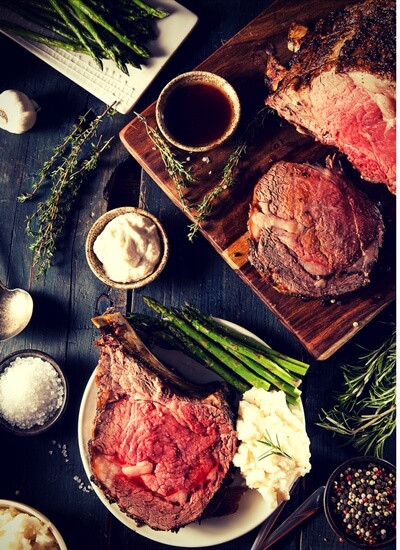
Quality beef is an excellent source of healthy fats. Organic grass-fed beef is even better. Beef contains monounsaturated fats and saturated fats that support various body processes. Monounsaturated and Saturated fats are ideal, and polyunsaturated fats can also be useful if these are from a good source and in controlled amounts. However, there is the possibility of overdoing polyunsaturated fats (such as from vegetable oils) and this can cause chronic inflammation, hence it is better to stick to monounsaturated and saturated fats primarily.
The ratio of these fats is the same in both grass-fed beef and grain-fed beef. Each serving will contain 40-50% of monounsaturated fat (MUFAs), 40-50% saturated fats (SFAs) and around 10% or less of polyunsaturated fats (PUFAs). The difference is in the structural quality of the individual fatty acids between grass-fed and grain-fed.
Omega Fatty Acids
The most familiar types of omega fats are omega-3 and omega-6. Both of these are classified as subtypes of PUFAs. Both are good for your health in that they have anti-inflammatory properties (when in the right ratios) and they can also boost lung health. However, omega-6 (such as vegetable oils and nuts) tends to produce some adverse effects if consumed is considerably higher amounts than omega-3 (primarily in fish and grass-fed meat).
Omega-6 levels are the same in grass fed and grain fed beef, omega-3 levels are not. Remember, the ratio of omega-6 levels need to be lower than omega-3 levels for the fatty acids to have a positive effect on the body.
Grass-fed beef has more omega-3 than grain-fed. Omega-3 fats in grass-fed beef are 2 to 5 times greater than in grain-fed beef. The average ratio of omega-6 to omega-3 in grass-fed cows is 1.53:1. In grain-fed beef, ratio jumps to a concerning 7.54:1. We are sure you can now see the value of consuming meat as natural as possible and staying away from factory farmed meat from animals fed grains which is not their natural foods.
Saturated Fats
As mentioned, saturated fats are not bad for health, it often depends on the subtype. Saturated fatty acids in beef are of three main types. These are myristic acid, palmitic acid, and stearic acid. The scientific community affirms that stearic acid does not raise cholesterol levels.
On the other hand, palmitic and myristic acid can cause significant increases in cholesterol levels. However, keep in mind that cholesterol is required by your body for healthy function and cholesterols relationship with heart disease has been debunked. There is nothing that proves that consuming these fatty acids and raising your cholesterol would be a bad thing.
If you are still not convinced however, grass-fed beef contains a higher level of stearic acid compared to grain-fed beef. Consequently, it also contains lower concentrations of myristic and palmitic acid.
Conjugated Linoleic Acid
This is a type of PUFA naturally found in meats, meat products and milk from ruminants (e.g., sheep and cows). Conjugated linoleic acid is linked to some important antioxidant activity. Research has found it to also have some protective effects against cancer, diabetes, and heart disease.
CLA can be obtained from food and supplements. One of the best food sources of natural CLA is beef. Can you get the same amount and quality in grain fed and grass fed beef?
As has been the case with most of the beneficial nutrients, grass-fed meat has way more CLA than grain-fed beef. In fact, it has 2-3 times the amount, on the average.
CLA production occurs within the ruminants’ digestive system. The bacteria in the digestive tract of the cows play an important role. Bacterial activity is influenced by pH. Grain-based diets interrupt the ideal pH in the cows, digestive system. This leads to less bacterial activity and less CLA production. Grass diets support ideal digestive system conditions for more CLA production since grass is the cows natural food that they are engineered to eat.
Essential Nutrients Found in Beef
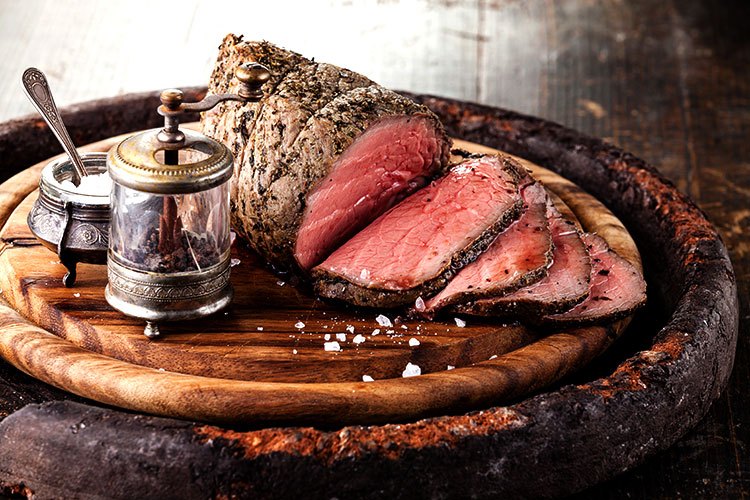
Aside from the excellent fat profile in grass-fed meat, it also contains plenty of other nutrients in greater amounts as well. Especially higher amounts of minerals, vitamins and antioxidants. The following are some important nutrients found in beef:
Vitamin A
Antioxidants
Minerals
Enjoy tasty meals while loading up on essential trace minerals. Red meat contains good amounts of potassium, sodium, phosphorus, iron and zinc.
Proteins
Of course, beef is an excellent source of proteins. It is of high quality, especially from grass-fed cows.
Lesser Known Nutrients
Aside from proteins, grass-fed beef also contains significant amounts of carnosine and creatine. These are essential nutrients that produce many health benefits. Creatine for instance is a potent booster of the male androgen DHT, which is responsible for the mental and libido increasing effects of T.
Vitamin K
Bone and heart health improve in the presence of vitamin K. It promotes more calcium to enter the bones instead of staying in the arteries. Too much calcium in the arteries can lead to various situations that can result in serious conditions such as atherosclerosis and heart attacks. Together with CoQ10, Vitamin K is one of the most important nutrients for cardiovascular health.
Antibiotics, Toxins, Xenoestrogens and More
Another compelling reason for choosing grass-fed beef is the absence of harmful compounds and additives such as xenoestrogens.
Some grain-fed cows get fat faster than grass-fed cows because they are being treated with artificial growth stimulants. These compounds promote bulkier meat and weight gain within a short period of time. Think of a cow on steroids.
These artificial substances given to cows stay within the meat, and get stored especially in the fat of the meat. When you eat non organic beef, these synthetic substances and growth promoters are absorbed by your body and get deposited in your tissues, which can be very bad for you and especially your androgen balance.
Bottom Line
It’s true that grass-fed is usually more expensive than grain-fed beef, but only by a few dollars. The amount you save by buying cheaper grain fed beef could end up costing you your health.

Besides, top quality grass fed beef like wagyu beef tastes excellent. Think about it. It’s high time to switch to grass fed beef on your next trip to the grocery store, it’s a no-brainer!
Don’t Forget the Plant Kingdom
Keep in mind that while dietary fats and meat have a significant impact on your T levels, the other things you eat could have an effect as well. So, once you’re ready, carry on with our T boosting foods list which also features an assortment of other androgen-boosting food items, ranging from common garden greens, rare plant oils such as CBD from hemp, to exotic sea vegetables.
50 FOODS THAT BOOST T
MEATS & PROTEIN
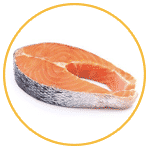
Oily fish
Vitamin D is an important part of T production. One of the best ways to get enough of this essential vitamin is through regular exposure to the sun. But, if you live somewhere like London where the sun seldom shines, or your work schedule keeps you mostly indoors, this may not be possible for you.
You can get lots of vitamin D from oily fish such as salmon, mackerel, herring, and tuna. Eat a few portions of oily fish per week to increase T levels naturally.
Fish oil has also been shown to lower SHBG and increase LH output which, in simple terms, means that the additional T produced has better access to the receptor cells and can perform its magic more effectively.


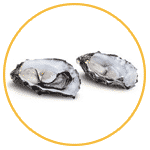
Oysters
Oysters have long been considered an aphrodisiac and for good reason – they contain very high levels of zinc which is linked to increasing libido and T levels. Studies show that zinc, in both natural and supplemental forms, is great for boosting T.
Eggs
Eggs contain several T-boosting ingredients including vitamin D and protein but the most notable is cholesterol. Often unfairly given a “bum rap” in the media, the cholesterol in eggs acts as a precursor for T making eggs one of the best T boosting foods around.
Eggs are widely considered among the top choices on how to naturally boost T and looking at the research we could not agree more!

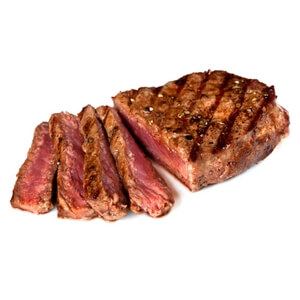
Grass-Fed Beef
Beef is a rich source of protein and healthy fatty acids, meaning it’s about as good as it gets meat wise. However, you can’t just eat any beef.
It has to come from organically-raised cows. Conventionally-raised cattle are injected with artificial growth stimulants.
These artificial compounds can mess up your natural balance. They tend to increase estrogen which brings down T levels.
Grass-fed organic beef are not exposed to insecticides, herbicides, fungicides and pesticides, which all can lower T levels.
You may have grass-fed beef jerky as a handy, filling, healthy snack to keep giving your androgens all the building blocks they need while on the run.
Gelatin
This T-boosting food comes from the gelatinous portions of the joints and connective tissues. It’s typically obtained from the knuckles and large joints of livestock.
Gelatin is a dense source of connective tissue proteins, containing about 27% glycine and about 15% proline (two amino acids that are vital to the body). These help balance neurotransmitters, which in turn leads to improved quality of sleep.
Getting enough sleep will help restore the normal rhythm of the body. This can lead to enhanced androgen signaling which can help promote significant increases in T production.
The nutrients in gelatin may also help in lowering inflammation, which reduces cell responsiveness towards T and other androgens. Inflammatory responses may also interrupt vital signaling systems and directly lead to lowered T levels.
Nowadays gelatin is also popular to consume in the form of collagen supplements, which is basically a refined and more water soluble version that still contains the same amino acids.

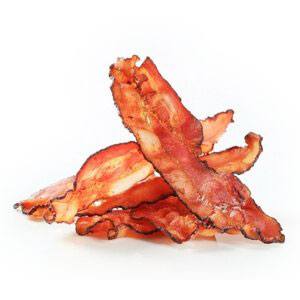
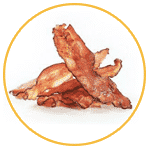
Organic Bacon
Want more excuses to eat bacon? Here’s one – It can help you get more T.
Organic bacon is high in excellent-quality animal protein and saturated fats that can further help stimulate androgen production. It is also a rich source of cholesterol, which is the building block of T.
It’s important to verify though, that the bacon you’re getting was prepared organically. Otherwise, you might be introducing estrogen-laced meat into your body.
Conventionally-raised hogs are treated with loads of synthetic estrogen and synthetic growth promoters to make them bigger and fatter in a shorter period.
The estrogen is lodged within the fat of the pig. So, when you end up eating those parts, those compounds are released into your body and can wreak havoc on your health.
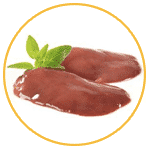
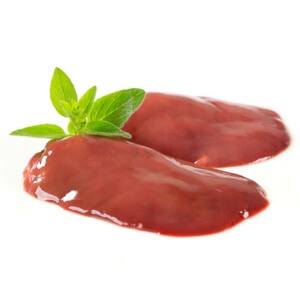
Liver
Organ meats such as liver are rich in vitamin A. This vitamin can also help in boosting your T levels naturally.
Liver is one of the best animal foods for building strength and vitality, since it is dense in about every nutrient your body could ever need.
Before you start adding liver to your diet though, be sure that you’re getting yours from organically-raised sources. Otherwise, you might be eating a toxin-loaded meal.
Like your liver, animal liver also processes toxins and detoxifies the animal’s body. If the animal was exposed to toxins, most of these will find their way into its liver.
If you eat the liver from an unhealthy animal, you might also be consuming these toxins. This will not be good for your T levels, or your overall health for that matter.
Also, you might want to stick to poultry or beef liver, as pork liver is often a common site of parasitic infection – roundworm, nodular worm, and whipworm are just some examples. If you cook your pork liver well though, it kills all of the parasites.
FATS & OILS

Olive oil
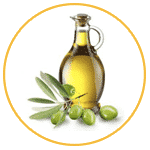
Extra virgin olive oil is a cornerstone of the Mediterranean diet and men who live in the Mediterranean region are well known for fathering children long after the rest of us have all but given up on sex! One possible reason for their long-lasting virility is olive oil. Add a tablespoon or two of extra virgin olive oil to your meals to increase natural T production.
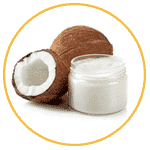
Coconut oil
Coconut oil is a very healthy fat. Packed with medium-chain triglycerides which are a type of fat your body likes to use for energy, coconut oil is also a great booster of T levels. Choose extra virgin coconut oil for best results. If you don’t like the taste of coconut, there is no need to worry – there are taste-free varieties available.
We consider using oils from coconut and olives to be among the best natural ways to increase T. For frying food, coconut oil and butter is superior to all other oils because of their high smoke point and resistance to high temperatures. We like to fry with coconut oil and use butter/olive oil with foods because of their good taste.

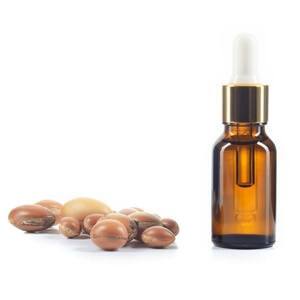
Argan Oil
This oil is obtained from the kernels of the argan tree, and is widely used in the Mediterranean diet.
One study demonstrated the effect of olive oil and virgin argan oil, and it was found that both oils can increase T levels. Olive oil produced a 17% increase, while argan oil yielded an increase of about 20%.
While that’s certainly encouraging, you might want to keep in mind that further studies are still necessary to prove argan oil’s T-increasing effect – yes, there’s only one study on it so far.
Nonetheless, argan oil is rich in antioxidants and act as an effective anti-inflammatory agent. It also contains a good ratio of essential fatty acids that support T production.
DAIRY
Grass-Fed Butter
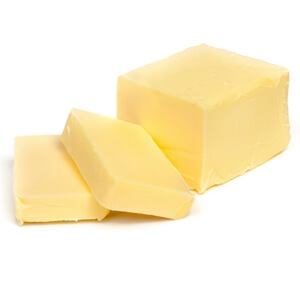
Your grandfather probably had higher T levels than you do! Our grandparents diets were typically higher in fat and especially in natural butter, than what we eat today. Butter contains zinc, saturated fat and several other compounds linked to increasing T production. Toss the bad margarine and enjoy butter instead.
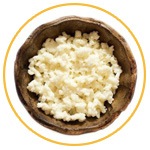
Yogurt & Kefir
Gut-friendly bacteria, as seen in one 2014 study, raise LH and T levels. One particular strain, Lactobacillus reuteri, also promote increased weight and size of the testicles, along with inhibition of age-related shrinkage.
Another study found that Clostridium scindens could directly act on cortisol. This probiotic can alter the stress markers in the gut and in turn give you more androgens such as T.
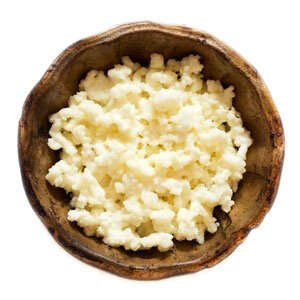
One way to get these probiotics is by eating fermented foods. Excellent sources include yogurt and kefir. Yogurt, specifically, has both C. scindens and L. reuterii, along with many other healthy strains.
Kefir is a traditional fermented drink originating from the north Caucasus Mountains. This refreshing tart drink is similar to yogurt, and is a rich source of vitamin K2 and zinc (both nutrients that help raise levels of T).
Here’s an important reminder regarding these probiotics – keep them in your fridge if you want to ensure the microbe’s quality.
Back to The “In Moderation” List
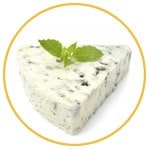
Blue Cheese
Blue cheese is filled with beneficial microbes, including both bifido bacteria and lactic acid bacteria. It also contains live enzymes and other compounds that can help improve T production.
While these characteristics are common among blue cheeses, you have to remember that there could be differences across varieties – especially in the combinations of cultures (microbes, including bacteria and fungi) used.
Nonetheless, all probiotics can help in protecting the body from the damaging effects of certain toxins. This includes detoxifying and protecting the cells from perchlorate, organophosphorus pesticides, heavy metals, and bisphenol A.
All these toxins are known to have a lowering effect on T. Some of these also have pro-estrogenic effects, which lead to higher estrogen that, in turn, can inhibit T production.
Aside from this, blue cheese is also rich in saturated fats that support higher T levels and there are also plenty T-boosting fat-soluble vitamins such as vitamin K2.