Medically reviewed by Ivan Kokhno, MD — Research analysis by Alex Eriksson. Last updated May 2026.
The most effective herbs for improving circulation are ginger, ginkgo biloba, garlic, hawthorn, cayenne, horse chestnut, butcher’s broom, and gotu kola for general blood flow, plus L-citrulline-rich watermelon, beet root, and black ginger (Kaempferia parviflora) when the goal is muscular pump or erectile blood flow. Each herb works through a slightly different mechanism — vasodilation, nitric oxide elevation, capillary strengthening, or platelet modulation — so a stack of two or three from different categories outperforms any one herb alone. Combined with consistent resistance training and adequate dietary nitrate, these herbs produce real measurable improvements in peripheral perfusion and exercise pump.
Healthy circulation is the silent partner of every other health goal. Muscle growth depends on it. Recovery depends on it. Erectile function depends on it. Even cognitive performance is gated by cerebral blood flow. The good news is that the body is remarkably responsive to circulation-supporting interventions — from herbs to dietary nitrate to consistent training. The herbs below are the ones with the most credible mechanism and human evidence for improving blood flow, organized by what they actually do inside the body.
Why Circulation Matters More Than Most Men Realize
Blood flow is the delivery system for everything your tissues need: oxygen, glucose, amino acids, hormones, and the immune cells that repair damage. When circulation is impaired — even subclinically — every other health metric suffers. Cold extremities, slow recovery, brain fog after meals, weak erections, and stalled muscle growth are all classic signs of suboptimal peripheral perfusion.
The Four Levers Herbs Pull
Most circulation herbs work through one of four mechanisms: vasodilation (relaxing blood vessel walls), nitric oxide elevation (signaling vessels to dilate further), capillary strengthening (improving micro-circulation in extremities), or platelet modulation (preventing excessive clotting that slows flow). Combining herbs that hit different mechanisms produces additive effects. For example, garlic (NO) plus hawthorn (vasodilation) plus horse chestnut (capillary) covers more ground than a megadose of any one alone.
Tier 1: Vasodilators and NO-Boosters
The herbs in this tier directly relax blood vessel walls or boost nitric oxide signaling, producing the most acute and noticeable circulation effects.
1. Ginger
Ginger is one of the most underrated circulation herbs. It thins the blood mildly, supports vasodilation, and reduces inflammation in vascular tissue. Effective dose: 1–2 g/day of dried root powder, or 4–6 g of fresh ginger in food. Particularly helpful for cold hands and feet.
2. Garlic
Garlic’s allicin and other sulfur compounds boost endothelial NO production and modestly lower blood pressure. Multiple meta-analyses confirm garlic’s blood-pressure-lowering effects, with downstream improvements in flow-mediated dilation. Effective dose: 600–1,200 mg/day of aged garlic extract, or 1–2 fresh cloves daily.
3. Cayenne (Capsaicin)
Cayenne’s capsaicin triggers vasodilation through TRPV1 receptors and stimulates the release of substance P, a potent vasodilator. Effective dose: 30,000–100,000 SHU cayenne powder, 1/4 to 1/2 teaspoon daily, ideally taken with food to prevent GI irritation.
4. Black Ginger (Kaempferia parviflora)
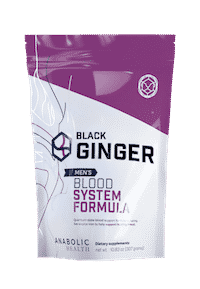
Different plant from culinary ginger entirely. Black ginger is one of the few natural PDE5 inhibitors with human RCT data — it boosts erectile blood flow by the same mechanism as Viagra, just gentler. Our deeper analysis at natural PDE5 inhibitors covers this in detail. Try our Black Ginger standardized extract.
Tier 2: Capillary and Microcirculation Strengtheners
The next group of herbs improves the integrity and tone of capillary walls — the smallest blood vessels where most actual nutrient and oxygen exchange happens.
5. Horse Chestnut (Aesculus hippocastanum)
Horse chestnut’s active aescin reduces capillary leakiness and improves venous tone. The main human evidence is in chronic venous insufficiency, but the mechanism applies broadly to micro-circulation. Effective dose: 300 mg twice daily of an extract standardized to 50 mg of aescin.
6. Butcher’s Broom (Ruscus aculeatus)
Similar mechanism to horse chestnut — improves venous return and reduces lower-extremity edema. Often combined with horse chestnut and diosmin in European phlebology protocols. Effective dose: 150–300 mg/day of a standardized extract.
7. Gotu Kola (Centella asiatica)
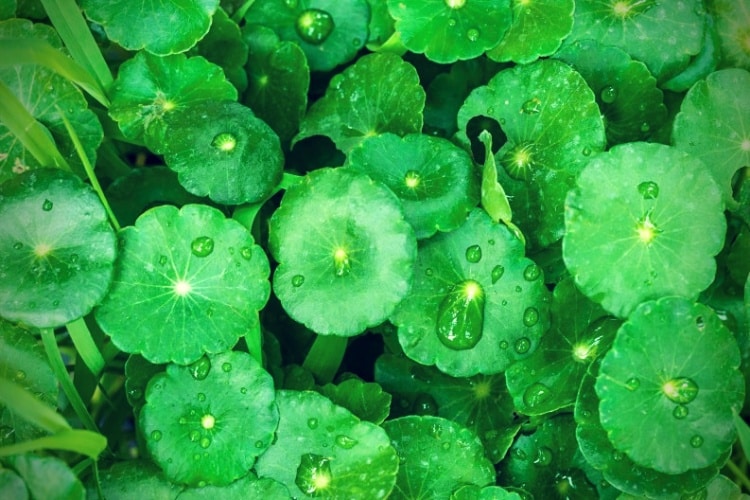
Gotu kola supports collagen synthesis in vascular walls and improves microcirculation, particularly in the lower extremities. Useful adjunct for men with chronic venous problems or post-thrombotic syndrome. Effective dose: 60–120 mg/day of a triterpene-standardized extract.
Tier 3: Cardiac Tonics and Adaptogens
The final tier supports the engine driving circulation — the heart itself — and the autonomic balance that regulates vascular tone over time.
8. Hawthorn (Crataegus)
Hawthorn improves cardiac contractility and coronary blood flow. The strongest evidence is in mild congestive heart failure, but men with normal hearts also report better exertional capacity. Effective dose: 600–1,800 mg/day of a standardized hawthorn extract.
9. Ginkgo biloba
Ginkgo’s flavonoids and ginkgolides improve cerebral and peripheral circulation through multiple mechanisms — antioxidant, anti-platelet, and direct vasodilatory. Best evidence is for cognitive applications, but peripheral benefits track too. Effective dose: 120–240 mg/day of a 24/6 standardized extract.
10. Rhodiola rosea
An adaptogen that improves exercise capacity and reduces fatigue, partly by optimizing oxygen delivery. Useful for men whose circulation issues are downstream of chronic stress. See our testosterone-boosting herbs guide for additional context on rhodiola’s hormonal effects.
The Pump-Focused Stack
If your goal is muscle pump and training performance specifically, the stack changes. Direct NO-boosting amino acids and nitrates outperform most herbs:
- L-citrulline 6–8 g pre-workout — the substrate for arginine and NO
- Beet root powder 5–10 g — concentrated dietary nitrate
- Black ginger 100 mg pre-workout — PDE5 inhibition
- Garlic 600 mg with breakfast — endothelial NO support
- Watermelon (whole fruit) — natural citrulline source
For broader androgen and circulation context together, see our writeups on testosterone boosters and SHBG management — circulation and free testosterone amplify each other in the gym.
What to Avoid
If you’re taking any blood-thinning medication (warfarin, apixaban, clopidogrel) or scheduled for surgery in the next 2 weeks, talk to your doctor before adding ginger, garlic, ginkgo, or any potent vasoactive herb — they can compound bleeding risk. Smoking, chronic dehydration, and very high alcohol intake all undermine circulation and need to be addressed before optimizing further.
Frequently Asked Questions
Which herb is best for cold hands and feet?
Ginger and cayenne both produce noticeable warming effects within minutes of consumption due to vasodilation. For chronic cold extremities, gotu kola and horse chestnut taken daily for 4–8 weeks address the underlying capillary tone.
Can circulation herbs help with erectile function?
Yes — improved blood flow is one of the two pillars of erectile function (the other being sufficient androgens). Black ginger, L-citrulline, garlic, and beet root all show measurable effects on erectile blood flow markers in clinical studies. Combine with addressing testosterone and SHBG for the most complete approach.
How long before I notice circulation improvements?
Acute effects from cayenne or ginger are felt within minutes. Cumulative benefits from herbs like horse chestnut, hawthorn, and gotu kola typically take 4–8 weeks of daily use. Cardiovascular fitness from training compounds these benefits over months.
Can I take blood-flow herbs with my prescription medications?
Many circulation herbs interact with blood thinners (warfarin, apixaban, clopidogrel), some blood pressure medications, and certain antidepressants. If you take any prescription medication, especially anticoagulants, ask your pharmacist or physician before starting circulation herbs.
Do I need supplements or is food enough?
For mild circulation issues, a diet rich in nitrate vegetables (beets, leafy greens), garlic, ginger, and watermelon delivers most of what supplements provide. For more pronounced issues — cold extremities, varicose veins, erectile complaints — concentrated extracts at therapeutic doses produce faster, more reliable results than food alone.