Medically reviewed by Ivan Kokhno, MD — Research analysis by Alex Eriksson. Last updated May 2026.
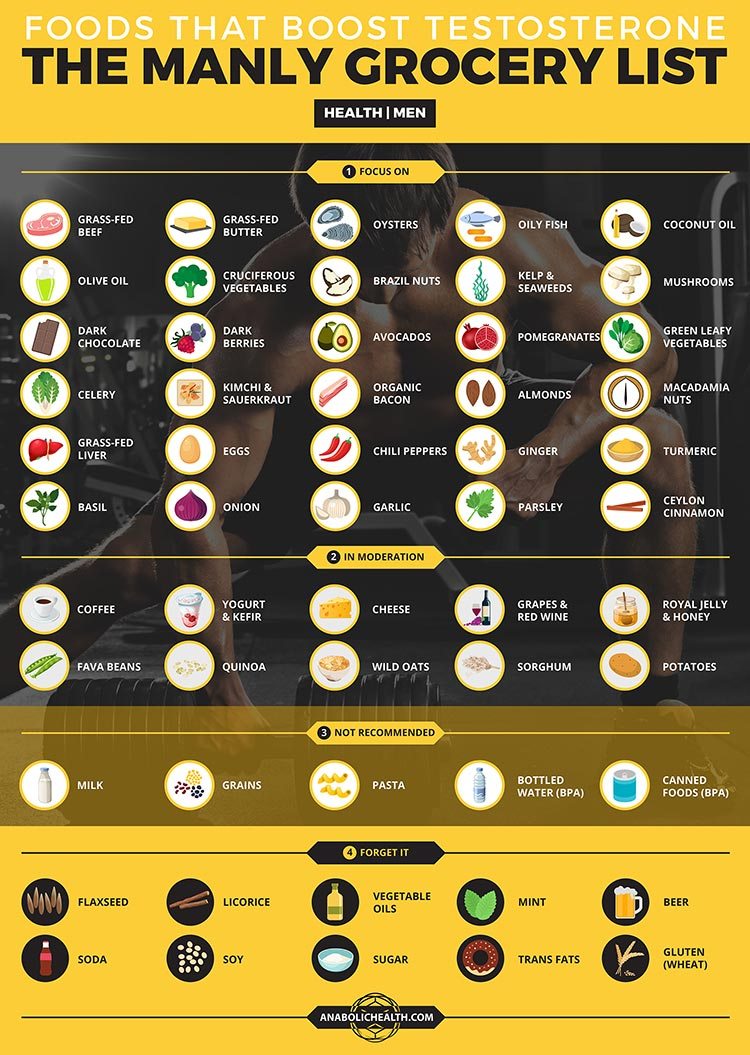
The most evidence-supported testosterone-boosting foods cluster in seven groups: zinc-rich proteins (oysters, oily fish, grass-fed beef, organic bacon, gelatin, eggs), saturated and monounsaturated fats (coconut oil, olive oil, argan oil, liver, grass-fed butter), full-fat dairy (yogurt, kefir, blue cheese), boron- and antioxidant-rich fruits (avocado, dark berries, raisins, grapes, pomegranate, pineapple), aromatase-modulating vegetables (cruciferous, celery, spinach, onions, kelp, kimchi, sauerkraut), nuts and grains (Brazil nuts, almonds, macadamia, fava beans, sorghum, quinoa, wild oats), plus spices and drinks (garlic, ginger, turmeric, ceylon cinnamon, chili peppers, basil, parsley, real salt, baking soda, coffee, dark chocolate, kombucha, white button mushrooms). Below is the full 50-food list with mechanism, what it does for testosterone, and how to actually eat it.
Testosterone is built from cholesterol, transported by SHBG, balanced against estradiol via aromatase, and modulated by everything from insulin to cortisol. Diet touches every one of those pathways. The foods below are organized by category and mechanism. Treat this as a working grocery list rather than a daily checklist — the goal is to crowd in the supportive foods regularly, not to eat all 50 every week.
How Food Influences Testosterone
Five mechanisms explain almost everything food does to your testosterone status. Substrate supply: testosterone is synthesized from cholesterol, so very low-fat and especially low-saturated-fat diets reliably lower total T. Mineral cofactors: zinc, magnesium, selenium, and boron all support enzymes in the steroidogenesis pathway. Aromatase modulation: some foods inhibit conversion of testosterone to estrogen (cruciferous vegetables, mushrooms, pomegranate). SHBG modulation: see our deeper analysis at how to lower SHBG. Insulin and cortisol: chronic insulin resistance and chronic stress both crush free testosterone, and food inputs strongly influence both.
Meats & Protein
Testosterone synthesis starts with cholesterol and amino acids. The animal foods below deliver those building blocks plus zinc, selenium, B vitamins, and creatine — every cofactor your endocrine system needs to actually produce hormone.
Oysters

The single most zinc-dense food on the planet. A half-dozen oysters delivers more zinc than most men get in a week from typical eating. Zinc is required for testosterone synthesis at multiple steps and is one of the easiest deficiencies to correct via food. Whether they’re a real aphrodisiac is debatable; the zinc effect on testosterone is not.
Oily Fish (Salmon, Sardines, Mackerel)

Omega-3 EPA/DHA, vitamin D, and high-quality protein. The vitamin D contribution alone is meaningful — most men running low on T also run low on D. Aim for 2–3 servings of fatty fish per week. Wild-caught when feasible for the better omega-3 to omega-6 ratio.
Grass-Fed Beef
Zinc density is the headline. A 6 oz steak delivers roughly half a day’s zinc. Saturated fat content is feature, not bug — it’s the substrate for steroid hormone synthesis. Grass-finished gives a better omega-3:6 ratio and higher conjugated linoleic acid (CLA), which supports body composition and may also support testosterone-favorable hormonal balance.
Organic Bacon
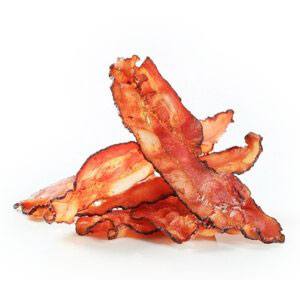
Pasture-raised, nitrate-free bacon delivers saturated fat, sodium (which most active men under-consume), and protein. The saturated-fat-is-bad narrative collapsed under scrutiny a decade ago for testosterone-relevant outcomes. Choose pastured, watch the sourcing.
Gelatin
Glycine and proline support connective tissue, sleep, and steroid hormone synthesis. Bone broth or quality gelatin powder. Easy to add as a bedtime drink — the glycine improves sleep onset, which compounds the testosterone benefit.
Eggs

Whole eggs deliver dietary cholesterol, vitamin D, choline, selenium, and complete protein in one package. Eat 3–6 whole eggs daily — yolk and all. Multiple studies show whole-egg consumption supports testosterone better than egg whites alone.
Liver
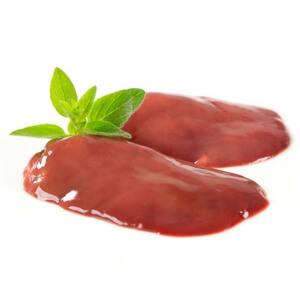
The most nutrient-dense food per calorie on the planet. Vitamin A (real retinol, not beta-carotene), B12, copper, choline, and CoQ10. A 3–4 oz serving once a week covers many micronutrient gaps that supplements struggle to fill. Acquire-the-taste food — pâté, beef-liver pills, or chopped into ground beef are accessible entry points.
Fats & Oils
Dietary fat is the rate-limiter of testosterone production. Men on chronically low-fat diets reliably show lower total testosterone than the same men eating 30–40% of calories from fat.
Coconut Oil

Medium-chain triglycerides, predominantly lauric acid. Saturated fat without the inflammatory profile of seed oils. Use as a primary cooking fat. 1–2 tablespoons per day.
Olive Oil

Extra-virgin olive oil for the oleic acid (monounsaturated fat) content plus oleuropein, a polyphenol with mild aromatase-inhibiting effects. Use generously as your primary salad and finishing oil — 2–4 tablespoons daily.
Argan Oil
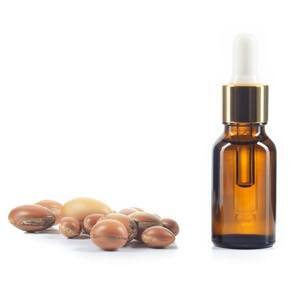
Less common in Western kitchens but well-evidenced in North African studies. Culinary argan (different from cosmetic argan) raised testosterone in a Moroccan trial. 1–2 tablespoons drizzled on salads or finished dishes.
Grass-Fed Butter
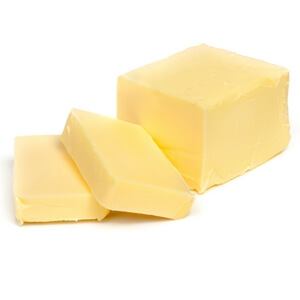
Saturated fat plus fat-soluble vitamins (A, D, E, K2). The K2 in grass-fed butter supports calcium handling and arterial health alongside the testosterone benefit. Cook with it, finish vegetables with it, eat it without apology.
Dairy
Full-fat dairy provides calcium, fat-soluble vitamins, and saturated fat. Low-fat dairy strips out the most testosterone-relevant nutrients.
Yogurt & Kefir
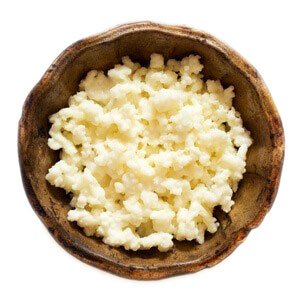
Probiotic dairy supports the gut-hormone axis. The microbiome influences estrogen metabolism via the estrobolome and inflammation through multiple pathways. Choose full-fat, unsweetened. Plain Greek yogurt or kefir is the simplest daily delivery.
Blue Cheese
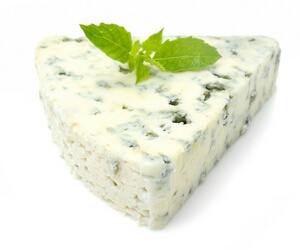
Aged cheeses in general — blue cheese, parmesan, aged gouda — concentrate fat-soluble vitamins and provide K2-MK7, which supports testosterone-favorable mineral handling.
Fruits
The fruits below earn their place via specific testosterone-relevant compounds — boron, polyphenols, or aromatase-modulating phytochemicals.
Avocados

Monounsaturated fat (like olive oil), potassium (better than bananas), boron, and fiber. The potassium content also helps with blood pressure regulation, which feeds into circulation — see our herbs for circulation guide.
Dark Berries

Blueberries, blackberries, and raspberries supply anthocyanins and other polyphenols that reduce systemic inflammation. Lower inflammation means lower aromatase activity, which means a better testosterone-to-estrogen ratio.
Raisins
One of the most boron-dense foods available. A small handful (~30 g) hits a meaningful daily boron dose. Boron is the most reliably SHBG-lowering nutrient in the literature — see our how to lower SHBG guide.
Grapes
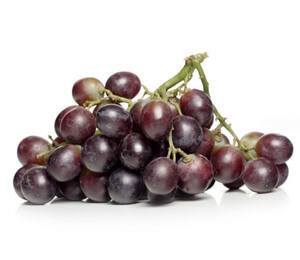
The skins of red grapes contain resveratrol, a polyphenol with mild aromatase-inhibiting properties. Eat the whole fruit (skins and all) rather than relying on wine for the resveratrol — the alcohol cancels out most of the benefit.
Pomegranate

The strongest plant evidence for direct testosterone support outside the herb category. A 2012 trial showed daily pomegranate juice raised salivary testosterone by ~24% over 14 days. Whole arils or unsweetened juice work.
Pineapple

Bromelain (a proteolytic enzyme) plus manganese, an underrated mineral cofactor in steroid hormone synthesis. Helps recovery after heavy training too.
Vegetables
Vegetables earn their place mostly through aromatase modulation, antioxidant load, and prebiotic fiber that supports the gut-hormone axis.
Cruciferous Vegetables

Broccoli, cauliflower, kale, Brussels sprouts, cabbage, bok choy. The DIM (diindolylmethane) and indole-3-carbinol content supports healthy estrogen metabolism. See our deep dive at natural aromatase inhibitors.
Celery

Celery contains apigenin (a flavonoid with mild aromatase-inhibiting activity) and androstenone, a pheromone precursor. The apigenin angle has the better mechanism evidence.
Spinach

Magnesium for testosterone synthesis, nitrates for nitric oxide and circulation, and a wide micronutrient profile. Eat raw in salads or wilted into eggs and stir-fries.
Onions

Quercetin, a flavonoid with anti-inflammatory and mild SHBG-modulating effects. Animal evidence is stronger than human evidence here, but onions earn their place as a low-cost everyday addition.
Kelp & Seaweeds

Iodine for thyroid function, which feeds back into testosterone production. Iodine deficiency is more common than people realize, and thyroid status is a hidden lever for free testosterone. Use kelp flakes or eat seaweed snacks; don’t megadose iodine without testing.
Kimchi & Sauerkraut
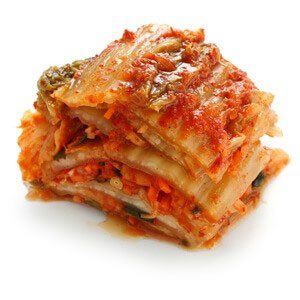
Fermented vegetables compound the cruciferous benefit (DIM/I3C) with probiotic support for the gut-hormone axis. A few forkfuls with a meal is enough.
Garlic

Garlic’s allicin reduces cortisol, which competes with testosterone for receptor binding and indirectly drives SHBG up. Animal trials show high-garlic diets raised testosterone by reducing cortisol. 1–2 fresh cloves daily.
White Button Mushrooms

Surprisingly potent natural aromatase inhibitor. In-vitro and animal studies show white button mushrooms inhibit aromatase activity. 100 g cooked, 3–4 times per week.
Nuts & Legumes
Brazil Nuts

The most selenium-dense food. Selenium is required for thyroid hormone activation and testosterone synthesis. Just 2 Brazil nuts hit the daily selenium need; more than 4 a day risks toxicity.
Almonds

Magnesium and vitamin E. Magnesium displaces testosterone from SHBG mechanically, increasing the free fraction. A small daily handful is enough — almonds are easy to over-eat.
Macadamia Nuts
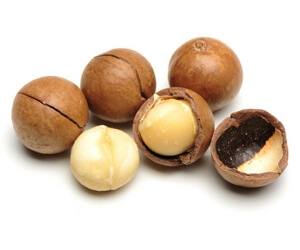
The highest monounsaturated-fat-density nut. Almost no PUFA, which keeps the inflammatory load low compared with almonds and walnuts.
Fava Beans

Contain natural L-DOPA, the same dopamine precursor that gives Mucuna pruriens its testosterone-supportive effect. See our prolactin inhibitors guide for context on the dopamine angle.
Grains
Sorghum
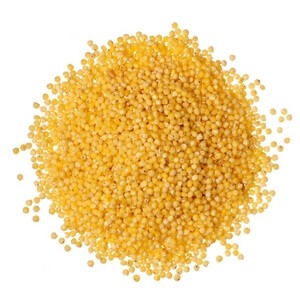
Sorghum is associated with elevated 5-alpha-reductase activity, the enzyme that converts testosterone to the more potent DHT. Mechanism studies show sorghum bran supports DHT pathways. Use as flour in baking or whole grain in pilafs.
Quinoa

A pseudo-grain with complete protein, magnesium, and zinc. Tolerated better than wheat by most men. Useful as a training-day carb.
Wild Oats

Avena sativa contains compounds that may free testosterone bound to SHBG. Studies are mostly small but the cost-benefit favors including oats over wheat-based grains.
Spices & Others
Ginger

Both testosterone-supportive and circulation-supportive. Human trials show daily ginger raised testosterone in infertile men. 1–2 g of dried root powder or 4–6 g fresh in cooking.
Turmeric
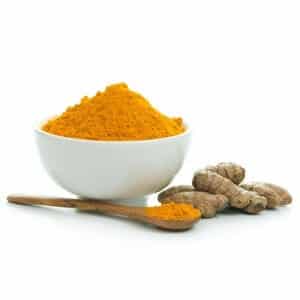
Curcumin reduces systemic inflammation and modestly inhibits aromatase. Take with black pepper (piperine) or fat for absorption. Cooking with it is fine; therapeutic doses usually require a standardized supplement.
Ceylon Cinnamon

Improves insulin sensitivity, which protects testosterone via the SHBG and aromatase pathways. Use Ceylon (true cinnamon), not the cheaper cassia, which has high coumarin content. 1–2 teaspoons daily.
Chili Peppers

Capsaicin triggers vasodilation through TRPV1 receptors and may modestly support testosterone in men who tolerate spicy food. Bonus: cardiovascular benefits compound the testosterone effect.
Basil
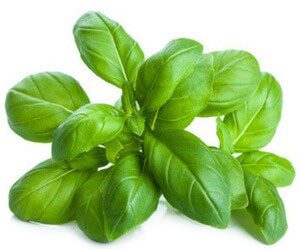
Holy basil (tulsi) and culinary basil both contain compounds that lower cortisol and support androgen status. Eat fresh in salads, pesto, or steeped as tea.
Parsley

Like celery, parsley delivers apigenin, the flavonoid with mild aromatase-inhibiting activity. Add to everything — it’s the most underused herb in Western kitchens.
Real Salt
Sodium is testosterone-favorable in adequate amounts; chronic restriction raises aldosterone and downstream interferes with androgen status. Use unrefined sea salt or pink Himalayan for the trace mineral profile.
Baking Soda
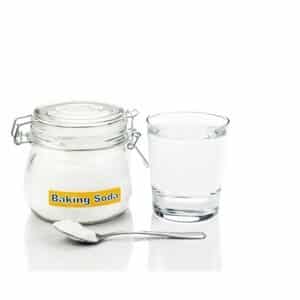
Sodium bicarbonate is one of the few legal performance enhancers with strong evidence — it buffers training-induced acidosis, which lets you push harder, which drives the training-induced testosterone response. 0.2–0.3 g/kg pre-workout.
Drinks
Coffee
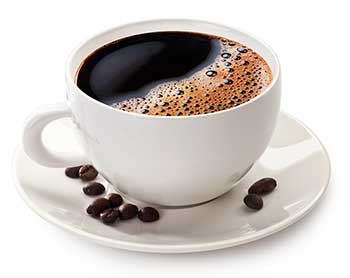
Caffeine acutely raises testosterone in resistance-trained men. 1–2 cups per day is the sweet spot; chronic excess raises cortisol, which works against you.
Dark Chocolate

Magnesium, flavonoids, and improved nitric oxide signaling. Choose 70%+ cacao with minimal added sugar. 20–30 g per day.
Kombucha
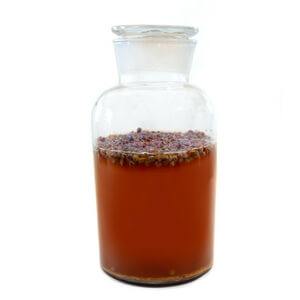
Fermented tea that supports the gut microbiome. The same gut-hormone axis discussed under yogurt and kimchi. Choose low-sugar varieties; some commercial kombuchas are essentially soft drinks.
Royal Jelly
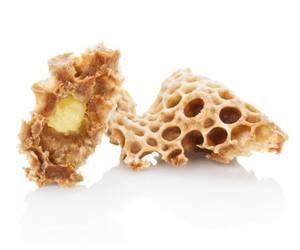
The food bees feed their queen. Animal studies show modest testosterone-supportive effects; human trials are limited but trending positive. 500–1,500 mg/day if you want to try it.
What to Limit or Avoid
Removing the wrong inputs often produces faster results than adding the right ones. Industrial seed oils (soybean, corn, canola, cottonseed) carry a high omega-6 load and displace saturated fat needed for steroidogenesis. Excessive alcohol — beer especially via hops phytoestrogens — caps the gain you get from everything else; cap at 1–2 drinks per week if optimizing. Refined sugar and ultra-processed grains drive insulin resistance, which suppresses testosterone via SHBG and aromatization. Soy as a staple competes at estrogen receptors; condiment-level intake is fine, daily-staple intake is not. Spearmint tea daily and licorice root in large amounts both have well-documented anti-androgenic effects. Mint chewing gum is fine; 4 cups of spearmint tea a day is not.
Building a Testosterone-Supportive Day
A practical template that hits 8–12 of the 50 foods: breakfast of 3 whole eggs, half an avocado, full-fat yogurt with berries, black coffee. Lunch of grass-fed beef or lamb with cruciferous vegetables, olive oil dressing, and a side of fermented kimchi. Dinner of wild salmon or sardines with sweet potato, mixed greens with pomegranate seeds and Brazil nuts. Snacks: handful of almonds, dark chocolate, raisins. Drinks: water, mineral water, occasional black coffee or green tea. Add ginger, garlic, turmeric, and parsley liberally to cooking.
Pair with resistance training 3–4 times per week, 7+ hours of sleep, and the broader stack discussed at best testosterone booster on the market and the testosterone-boosting herbs guide.
Frequently Asked Questions
How fast can food alone change testosterone levels?
Measurable changes typically take 4–8 weeks of consistent dietary shift, especially when fixing low dietary fat or correcting zinc/vitamin D deficiency. Subjective effects (libido, training drive) often arrive sooner — within 2–4 weeks.
Are there foods that should be avoided completely?
Most foods can fit a testosterone-supportive diet in moderation. The exceptions worth treating as “rarely” are spearmint tea daily, licorice candy or tea daily, soy-based meal replacements as staples, and chronic high alcohol intake.
Do supplements work better than food?
For correcting an existing deficiency (vitamin D below 30 ng/mL, low magnesium, low zinc), supplements are often necessary because food alone can’t deliver therapeutic doses. For maintenance and ongoing support, whole food does most of the work — supplements are the icing.
Are bananas good for testosterone?
Bananas don’t appear on most evidence-based testosterone food lists for a reason — they don’t contain notable testosterone-relevant nutrients. They’re fine as a quick carb source around training, but they’re not a testosterone-booster food. Avocados are the better fruit choice.
What about plant-based or vegetarian diets?
Possible but harder. Vegetarians who include eggs and dairy can hit most marks; strict vegans need to be intentional about zinc, B12, vitamin D, and adequate dietary fat. Soy as a staple should be avoided regardless of diet style.
Will eating these foods replace TRT?
No. For men with clinical hypogonadism, food optimization is part of the foundation but not a substitute for medical treatment. For men with borderline-low or normal-but-suboptimal levels, food and lifestyle alone can produce 100–200 ng/dL of testosterone improvement — meaningful but bounded.