
Medically reviewed by Ivan Kokhno, MD — Research analysis by Alex Eriksson · Updated May 2026
The best-evidenced natural aromatase inhibitors work by blocking the CYP19A1 enzyme that converts testosterone into estradiol. Top six: cruciferous vegetables (DIM/I3C from broccoli, cabbage, kale — the most clinically studied), white button mushrooms (Agaricus bisporus, conjugated linoleic acid + phytochemicals), olive oil (oleuropein, comparable potency to resveratrol in vitro), red wine / grapes (resveratrol, but rapid liver degradation limits in-vivo effect), oysters (zinc + 4-hydroxyandrostenedione mechanism), and celery (apigenin, a plant flavonoid that blocks both 17β-HSD and aromatase).
The honest framing: dietary aromatase inhibitors produce modest, additive effects rather than dramatic ones — useful for prevention and as an everyday dietary layer, but not a replacement for pharmaceutical AIs (anastrozole, exemestane, letrozole) when those are clinically indicated. For mild-to-moderate concerns, food-first plus standardised supplements (DIM 100–200 mg/day, calcium-d-glucarate 500–1000 mg/day) is the sensible starting point. Below: full mechanism of each food, expected effect size, when natural inhibitors are appropriate vs when to escalate, and how natural AIs fit relative to the AH estrogen-management stack.
Medically reviewed by Michael Jessimy, RPh — Research analysis by Alex Eriksson. Last updated May 2026.
The best-evidenced natural aromatase inhibitors are resveratrol (from Japanese knotweed and red wine), apigenin (parsley, celery, chamomile), chrysin (passionflower), white button mushrooms, oleuropein (olive leaf and olive oil), pomegranate, and zinc. They work by either binding the aromatase enzyme directly or by reducing the substrate-level conditions that drive aromatase upregulation (visceral fat, oxidative stress, inflammation). None of these match the potency of prescription drugs like anastrozole or arimistane, but stacked together with weight loss and resistance training, they reliably move estradiol down 10–20% in men with mildly elevated levels — without crashing estrogen too low. Best for men with measured high estradiol who don’t yet need pharmaceutical intervention.
Aromatase converts testosterone to estradiol. As men age, gain visceral fat, or experience chronic inflammation, aromatase activity rises — meaning more testosterone gets converted to estrogen rather than reaching tissues. The result is the all-too-common pattern: low free testosterone, elevated estradiol, and the symptoms that follow. Natural aromatase inhibitors are the food-and-supplement-tier interventions that nudge this balance back without the precision (and risk) of pharmaceutical AIs.
What Aromatase Actually Does
Aromatase is an enzyme — specifically CYP19A1, a member of the cytochrome P450 family — that catalyzes the conversion of androgens (testosterone, androstenedione) to estrogens (estradiol, estrone). It’s expressed in the testes, ovaries, brain, bone, and most importantly in adipose tissue. The more visceral fat a man carries, the more aromatase he has actively running, and the more of his testosterone is becoming estradiol.
When You’d Want to Inhibit Aromatase
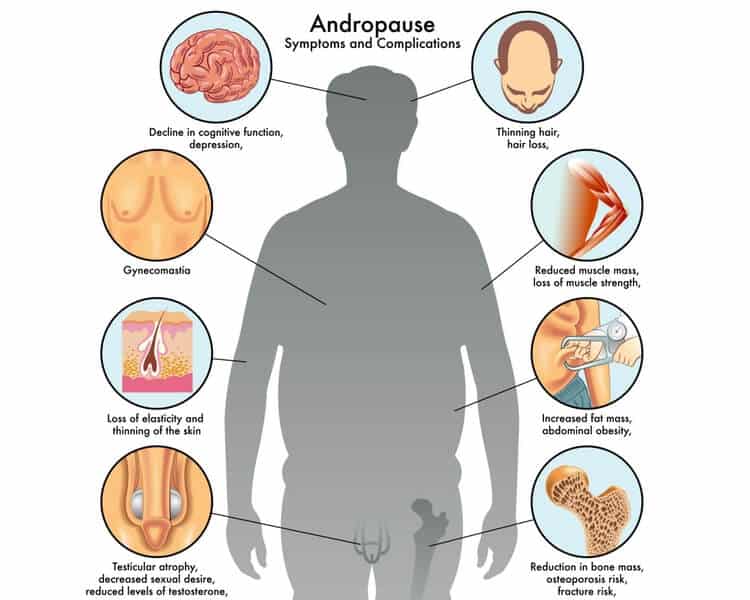
Estrogen is not the villain — men need some estradiol for libido, bone density, joint health, and mental wellbeing. The goal is not zero estrogen, it’s the right ratio. Sensible reasons to look at aromatase inhibition include estradiol above 35 pg/mL on a sensitive (LC/MS-MS) assay, gynecomastia tenderness, water retention, mood disturbance, or coming off a pro-hormone cycle.
Tier 1: Strongest Evidence
The compounds in this tier all have either direct enzyme-binding evidence or replicated in-vivo data showing meaningful estradiol reduction in men.
Resveratrol (Japanese Knotweed)
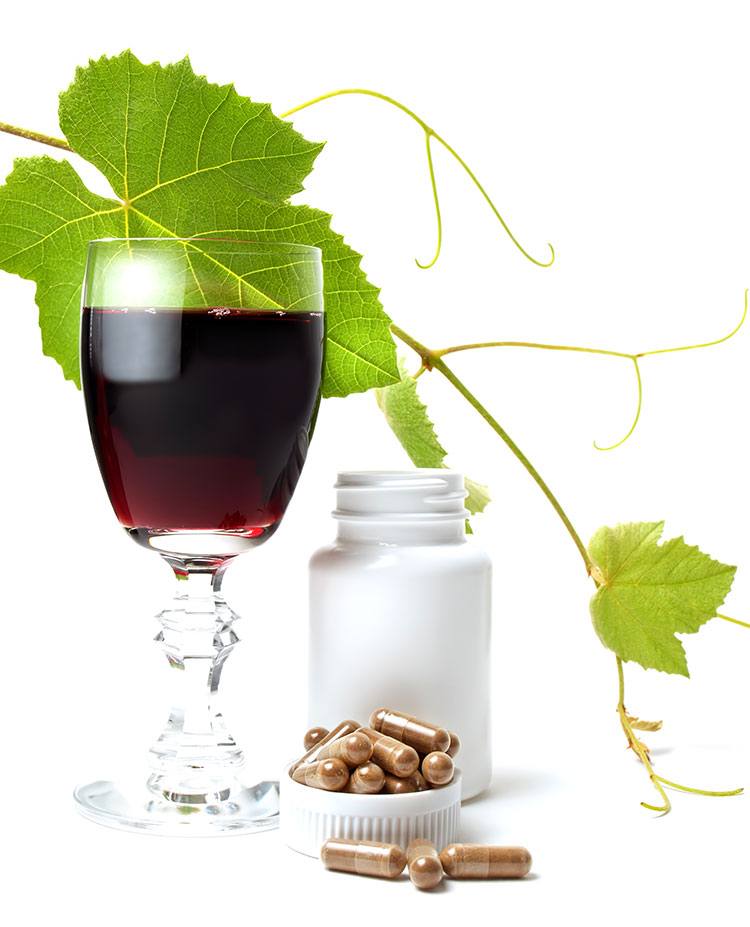
Resveratrol is the polyphenol that earned red wine its overstated “longevity” reputation. The aromatase-inhibiting evidence is more interesting. Mechanism studies show resveratrol binds aromatase competitively, reducing estradiol synthesis. Effective dose: 250–500 mg/day of trans-resveratrol from Japanese knotweed extract. Don’t try to get it from wine — you’d need 100+ glasses to hit a meaningful dose.
Chrysin and Apigenin (Passionflower, Parsley, Celery)

Both flavonoids show in-vitro aromatase inhibition. The catch is bioavailability — chrysin in particular is poorly absorbed orally. Newer formulations using piperine or liposomal delivery improve absorption. Effective dose: 500–1,000 mg/day chrysin paired with bioperine, or 50 mg/day apigenin from a quality extract.
White Button Mushrooms

Less hyped than the others but with surprisingly good evidence. Common white button mushrooms contain phytochemicals (notably conjugated linolenic acid) that inhibit aromatase. Including 100 g of mushrooms 3–4 times a week is a free, low-effort lever. Cooking improves both flavor and the bioavailability of the active compounds.
Tier 2: Solid Supporting Players
Pomegranate
Pomegranate juice has been shown to raise testosterone and modulate the testosterone-estrogen ratio in men. The mechanism appears to be a combination of mild aromatase inhibition and antioxidant support of Leydig cell function.
Olive Oil and Oleuropein

Extra-virgin olive oil contains oleuropein, a polyphenol with anti-aromatase effects in animal studies. The monounsaturated fat profile also supports healthy testosterone synthesis directly. 2–4 tablespoons daily as your primary cooking and dressing fat is reasonable.
Cruciferous Vegetables

Broccoli, cauliflower, kale, Brussels sprouts. The DIM (diindolylmethane) and I3C content doesn’t directly inhibit aromatase but does redirect estrogen metabolism toward less-active metabolites — which produces a similar net effect on circulating active estradiol.
Zinc

Zinc is a mild but real aromatase modulator. Restoring zinc status in deficient men (oysters, beef, lamb, supplements) reduces aromatase activity. 25–30 mg/day from zinc bisglycinate or food sources covers it.
The Foundation Moves That Outperform Most Inhibitors
Before reaching for any specific aromatase inhibitor, the foundation work is almost always higher leverage:
- Lose visceral body fat — adipose tissue IS where the bulk of aromatase lives; losing 15 lb of fat reduces aromatase capacity proportionally
- Lift heavy 3–4 days per week — resistance training acutely lowers aromatase and raises free testosterone
- Cap alcohol — beer especially via hops phytoestrogens; chronic alcohol upregulates aromatase
- Avoid xenoestrogens — BPA, phthalates from plastic and personal care products
- Optimize sleep — poor sleep raises cortisol which feeds the inflammation-aromatase loop
- Address insulin resistance — visceral adiposity, fatty liver, and metabolic syndrome all drive aromatase up
For the broader optimization framework see our writeup on testosterone boosters and the deep dive on how to lower SHBG — these systems all interact.
When Natural Isn’t Enough
Natural aromatase inhibitors typically produce 10–20% reductions in estradiol when stacked with the foundation moves. For men with severely elevated estradiol (over 50 pg/mL with symptoms) or men recovering from a pro-hormone cycle, the pharmaceutical or pharmaceutical-adjacent options come into play. We’ve covered arimistane in depth — it’s the most accessible step up from natural inhibitors. Always with bloodwork, never with vibes.
Stacking and Sequencing
If you want to run a natural aromatase-inhibition stack, a reasonable starter combination is resveratrol 250 mg + zinc 25 mg + 100 g cooked white button mushrooms 4× per week + 2–3 tablespoons olive oil daily. Run for 8–12 weeks, recheck estradiol and total/free testosterone, decide whether to maintain or step up. Pair with the herbal stack covered in testosterone-boosting herbs for additive HPG-axis support.
Frequently Asked Questions
Can natural aromatase inhibitors crash estrogen too low?
Unlikely at typical doses. Natural inhibitors produce gentle modulation — usually 10–20% reductions — rather than the 70–90% reductions seen with pharmaceutical AIs. Crashing estrogen below ~20 pg/mL produces joint pain, libido loss, and mood issues, but reaching that level with food-and-supplement approaches is rare.
How long until I notice effects?
Subjective effects (better mood, less water retention, harder workouts) typically emerge in 3–4 weeks. Measurable estradiol changes usually appear by week 6–8. Pair with bloodwork at baseline and 8 weeks to verify.
Will losing weight alone work?
Often, yes. Visceral fat is where the bulk of aromatase activity happens, so losing 10–15 lb of body fat can produce more estradiol reduction than any supplement stack. The supplements compound the effect once weight loss has stalled or as maintenance.
Are these safe with TRT?
Generally yes, but check estradiol before adding any AI to a TRT protocol. Many TRT protocols don’t need an AI at all; adding natural inhibitors to a stable TRT regimen can be useful for men who run high E2 even on optimized testosterone dosing — work with the prescribing physician.
What’s the difference between blocking aromatase and metabolizing estrogen?
Aromatase inhibitors (resveratrol, chrysin, mushrooms) reduce the production of estradiol from testosterone. Estrogen metabolism boosters (DIM, indole-3-carbinol, calcium D-glucarate) shift produced estrogens toward less-active metabolites and accelerate clearance. Both produce lower active estradiol but through different mechanisms — they stack rather than overlap.
Where Natural Aromatase Inhibitors Fit in a Male Estrogen-Management Stack
Natural aromatase inhibitors are the foundational dietary layer — cheap, safe, and additive. The cleanest practical layering for men managing estrogen:
- Foundation (food-first): cruciferous vegetables daily (1–2 cups raw or cooked), olive oil as primary cooking fat, oysters or zinc-rich foods 2–3x/week, celery and white button mushrooms regularly. Effects are modest and broad — treat as prevention/maintenance, not a treatment.
- Supplement layer (standardised): DIM 100–200 mg/day for cruciferous-derived effect at therapeutic dose, calcium-d-glucarate 500–1000 mg/day for estrogen elimination support. See DIM for men for the full protocol.
- Pharmaceutical AIs (when indicated): anastrozole (Arimidex), exemestane (Aromasin), letrozole (Femara) under medical supervision. See Anastrozole/Arimidex for men for medical-grade use cases. Don’t self-prescribe AIs — over-suppression of estrogen causes joint pain, lipid problems, and mood disruption.
- Substrate / hormonal foundation: Tongkat Ali 200–400 mg/day for testosterone substrate; better T:E ratio comes from raising T, not just lowering E.
- Direct DHT: Butea Superba for downstream signal.
- Cortisol management: Ashwagandha 600 mg/day KSM-66 — cortisol elevates aromatase activity.
- Foundational vitamins: Anabolic Octane (D-K-A-E) for vitamin D + K2 + A + E.
For deeper protocols, see best estrogen blockers, DIM for men, anastrozole for men, gynecomastia pills, milk thistle and estrogen, and naringin (citrus AI).
The AH Stack-Friendly SKUs
- Tongkat Ali (Eurycoma longifolia) — testosterone substrate; better T:E ratio strategy.
- Butea Superba — direct DHT and erection-quality support.
- Ashwagandha — cortisol modulation; cortisol elevates aromatase.
- Anabolic Octane (D-K-A-E) — foundational T-supportive cofactors.
Frequently Asked Questions
Q: Do natural aromatase inhibitors actually work?
A: Yes — but modestly. The compounds (DIM, oleuropein, apigenin, resveratrol) inhibit aromatase in vitro at concentrations achievable in food. In vivo, the effect is modest because absorbed concentrations are lower and many compounds (resveratrol especially) are degraded rapidly by liver metabolism. Useful as a daily dietary layer for maintaining healthy T:E ratios; not a substitute for pharmaceutical AIs when estrogen is clinically elevated. The cumulative effect across food + supplement + lifestyle is meaningful.
Q: Which natural aromatase inhibitor has the strongest evidence?
A: DIM (3,3′-Diindolylmethane) from cruciferous vegetables has the strongest evidence and clearest mechanism — it shifts estrogen metabolism toward favourable 2-hydroxyestrone over harmful 16α-hydroxyestrone. Standardised DIM supplementation at 100–200 mg/day has measurable effects on estrogen metabolite ratios. Olive oil (oleuropein) and white button mushrooms are next strongest by mechanism quality. Red wine resveratrol is weakest in vivo despite strong in-vitro data due to bioavailability problems.
Q: Are natural AIs safe long-term?
A: Yes — the foods are foods, eaten safely for millennia. Watch for: cruciferous vegetables in very large quantities can affect thyroid function (avoid raw 4+ cups/day if you have thyroid issues), red wine intake should stay under 1–2 glasses/day for cardiovascular and cancer-risk reasons, and oyster consumption requires fresh-source / safe-shellfish handling. DIM supplementation at 100–200 mg/day has good long-term safety data. Pharmaceutical AIs are different — they need medical supervision.
Q: When should I escalate from natural to pharmaceutical AIs?
A: When blood tests show estradiol significantly above the male reference range (typically >55–60 pg/mL on standard assays in a man without high body fat), with related symptoms (gynecomastia, water retention, mood/libido issues, erectile concerns), and the underlying cause has been addressed (excess body fat is the #1 cause of male aromatization — if BF% is over 20%, dietary inhibitors won’t fix it). Always work with a hormone-specialist physician; AIs are powerful and over-suppression of estrogen has serious consequences for joints, lipids, mood, and bones.
Q: Can dietary aromatase inhibitors lower testosterone too?
A: They can — if estrogen drops too low, the negative-feedback loop pushes testosterone production down too (ironically). This is rarely a problem with food at typical intake. It can become a problem with high-dose DIM supplementation (above 300 mg/day) or with combination protocols stacking multiple dietary AIs at high doses. Stick to standardised dosing, monitor symptoms (dry skin, joint pain, low libido, mood changes), and check estradiol with a blood test if you’re stacking aggressively.