Medically reviewed by Michael Jessimy, RPh — Research analysis by Alex Eriksson. Last updated May 2026.
The testosterone-boosting herbs with the strongest human evidence are Eurycoma longifolia (Tongkat Ali), ashwagandha (KSM-66 or Sensoril), fenugreek, Butea superba, and Mucuna pruriens. Black ginger (Kaempferia parviflora), pine pollen, Tribulus terrestris, and forskolin show meaningful but more variable effects. Most herbs work by either reducing aromatization to estrogen, lowering cortisol, or directly stimulating Leydig cell testosterone synthesis. The biggest gains usually come from picking 2–3 complementary herbs and running them for 8–12 weeks alongside resistance training, sleep, and adequate vitamin D and zinc.
Testosterone-boosting herbs occupy a strange middle ground in men’s health: hyped on supplement shelves, dismissed by most clinicians, and quietly studied in well-controlled trials that rarely make headlines. The honest truth is that no herb will replace TRT for clinically hypogonadal men. But for men with borderline-low free testosterone, elevated SHBG, high cortisol from chronic stress, or age-related decline, the right herb stacked with the right lifestyle moves can produce measurable hormonal shifts. Below are the 14 herbs with the most credible evidence — what they actually do, what dose moves the needle, and what to skip.
How to Read the Herb Evidence
Before the list, a quick filter for evaluating any testosterone herb claim. Strong evidence means there are multiple human RCTs measuring serum total and free testosterone, not just animal data or self-reported “vitality” scores. Mechanism matters too — does the herb plausibly affect a known testosterone pathway (HPG axis, aromatase, SHBG, cortisol)? And finally, does the trial population resemble you? Studies in clinically hypogonadal men generally show bigger absolute changes than studies in healthy young men with already-normal levels.
The Four Mechanisms Herbs Work Through
Most testosterone-boosting herbs act through one or more of these pathways: stimulating LH release from the pituitary (pro-androgenic adaptogens like fenugreek and Tongkat Ali), reducing cortisol to free up the cortisol-testosterone seesaw (ashwagandha, holy basil, rhodiola), inhibiting aromatase to reduce testosterone-to-estrogen conversion (see our natural aromatase inhibitors guide), or lowering SHBG to free up the bound testosterone fraction. Picking herbs that hit different mechanisms produces additive effects more often than stacking herbs in the same category.
Tier 1: Strongest Evidence
The five herbs in this tier all have multiple human RCTs published in peer-reviewed journals showing testosterone or related hormonal markers shifting in a meaningful direction.
1. Eurycoma longifolia (Tongkat Ali / Pasak Bumi)
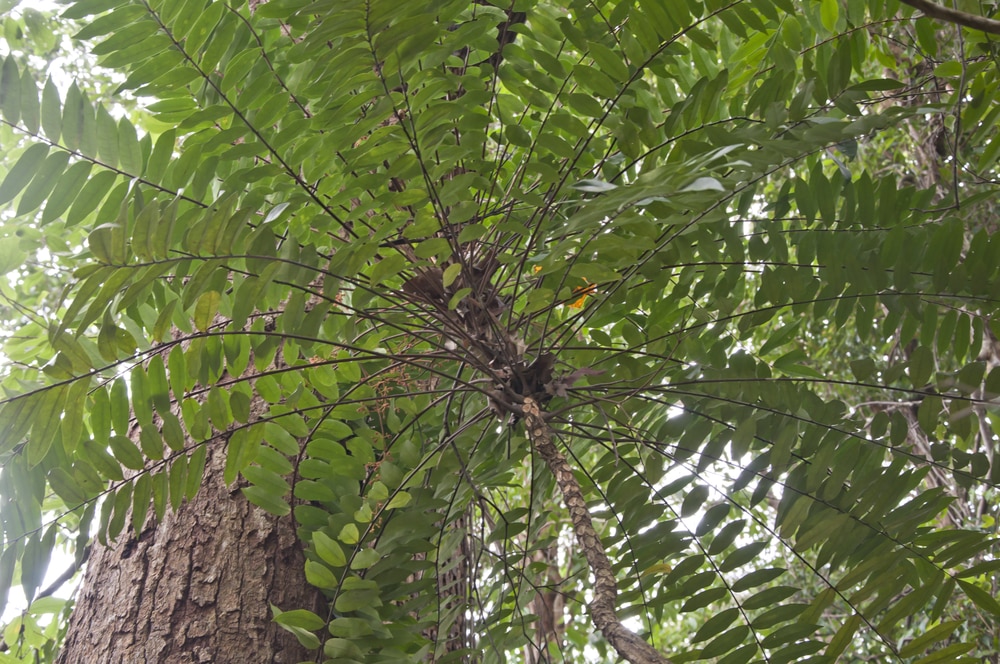
Tongkat Ali is the most consistently effective herb in the literature for raising free testosterone. The mechanism appears to be a combination of LH stimulation and SHBG reduction, with eurycomanone identified as the most active quassinoid. A 2014 trial in stressed subjects found 200 mg/day of standardized extract produced significant testosterone increases and cortisol reductions over 4 weeks. Effective dose: 200–400 mg/day of an extract standardized to 1–2% eurycomanone. Our Tongkat Ali (Pasak Bumi) is a wild-harvest Indonesian root with verified eurycomanone content.
2. Ashwagandha (Withania somnifera)
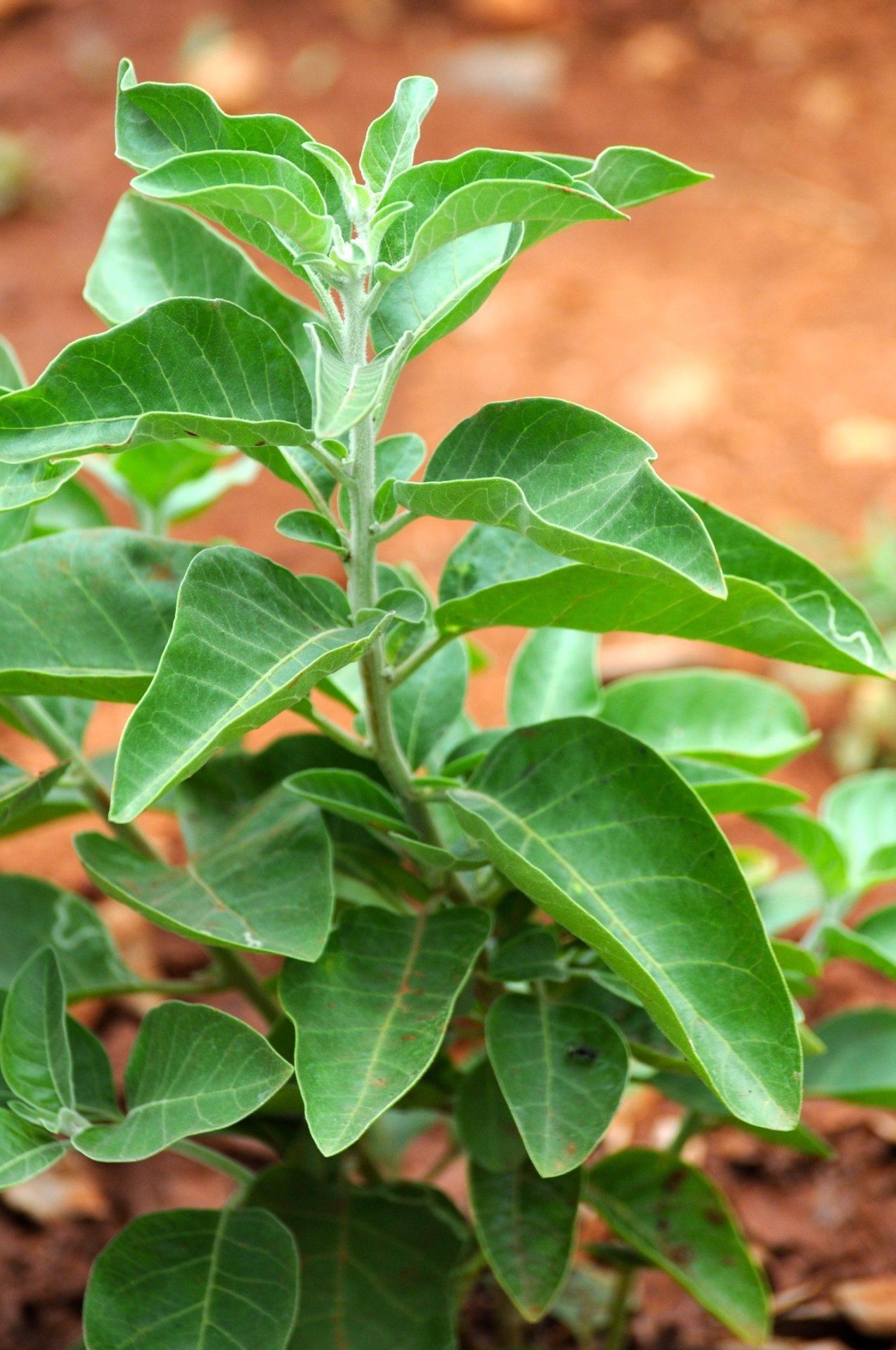
Ashwagandha is the strongest stress-axis tool in the testosterone toolkit. By lowering elevated cortisol it indirectly improves the testosterone-to-cortisol ratio. A 2015 RCT in resistance-trained men showed 600 mg/day of KSM-66 ashwagandha increased testosterone by ~96 ng/dL over 8 weeks. The Sensoril extract has similar but slightly different pharmacology. Effective dose: 300–600 mg/day of a standardized extract for 8–12 weeks. Best for men with high stress, poor sleep, or visible signs of cortisol dominance. See our standardized ashwagandha extract.
3. Fenugreek (Trigonella foenum-graecum)
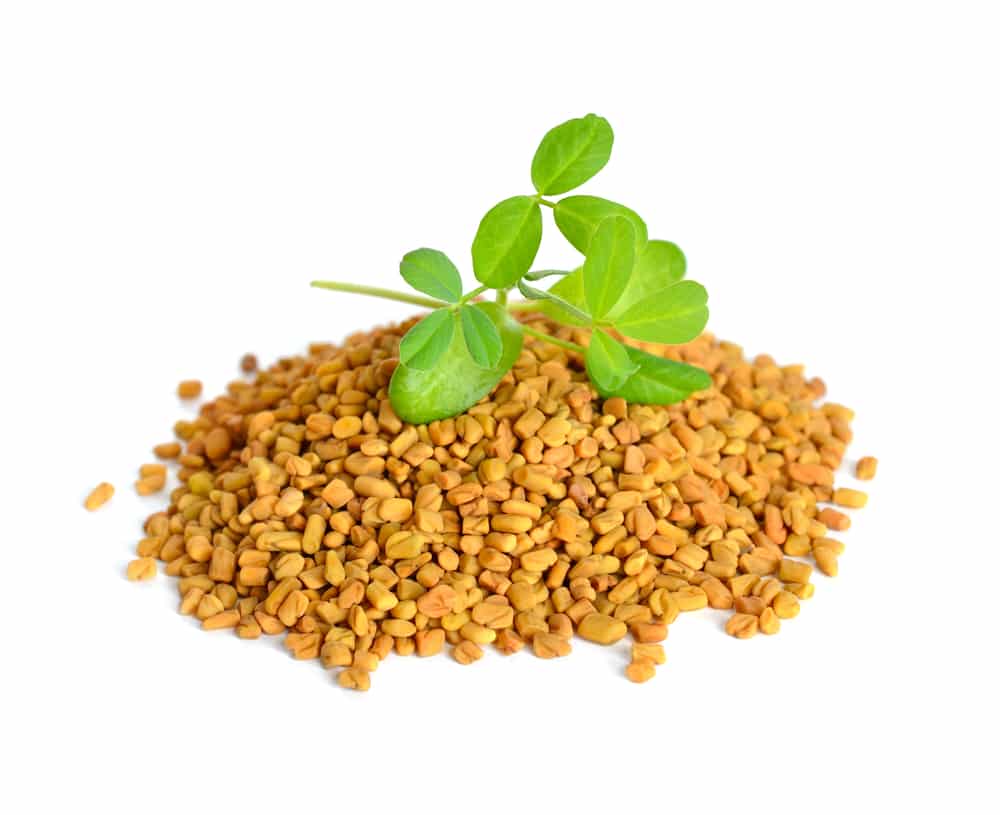
Fenugreek is the herb most likely to produce a usable subjective effect — most men running a properly-dosed fenugreek protocol report better libido within 2–4 weeks. A 2011 trial using 600 mg/day of a fenugreek extract called Testofen showed significant improvements in free testosterone and sexual function. Mechanism is debated; aromatase inhibition and 5-alpha-reductase modulation both appear involved. Effective dose: 500–600 mg/day of standardized fenugreek extract. Note: a small minority report a maple-syrup body odor — harmless but distinct.
4. Mucuna pruriens (Velvet Bean)
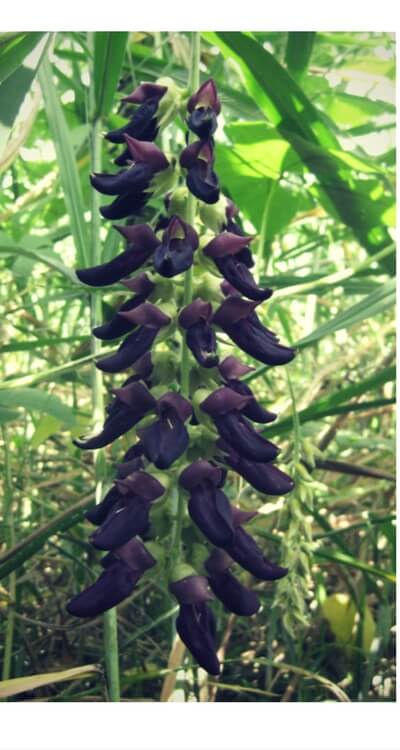
Mucuna’s active compound is L-DOPA — the direct precursor to dopamine. By raising dopamine, Mucuna lowers prolactin (a known testosterone suppressor) and supports LH release. This makes it especially useful for men with elevated prolactin or PCT contexts. See our deeper analysis at prolactin inhibitors. Effective dose: 200–400 mg/day of a 15–20% L-DOPA standardized extract, ideally pulsed (5 days on, 2 days off) to avoid dopamine receptor downregulation.
5. Butea superba (Red Kwao Krua)
Butea superba is the lesser-known cousin of Pueraria mirifica, used traditionally in Thai men’s medicine for libido and erectile function. Modern animal and limited human work shows pro-androgenic effects, possibly via androgen receptor sensitization. Our Butea superba is wild-harvested Thai tuber. Pair with vasodilator-supporting herbs for a complete approach to circulation as well — see herbs for circulation.
Tier 2: Promising but Inconsistent
The next four herbs have solid mechanistic rationale and at least one positive trial each, but the literature is split or the population effect size is modest.
6. Black Ginger (Kaempferia parviflora)
Black ginger acts primarily as a PDE5 inhibitor and mild aromatase inhibitor — making it useful for circulation and erectile function, with secondary effects on free testosterone. Our analysis at natural PDE5 inhibitors covers the mechanism in depth. Effective dose: 100–200 mg/day of a methoxyflavone-standardized extract.
7. Tribulus terrestris
Tribulus is the cautionary tale of testosterone supplements: hyped for decades on the basis of one Bulgarian study that was never replicated. Modern RCTs in men with normal testosterone show no meaningful effect on serum T. There is some evidence in men with mild erectile dysfunction. Effective dose if you want to try it: 750 mg/day of an extract standardized to 60%+ saponins, but I’d put fenugreek or Tongkat Ali ahead of it for almost every use case.
8. Pine Pollen
Pine pollen contains small amounts of testosterone, DHEA, and androstenedione naturally. Whether the dose delivered orally is enough to matter is debated; sublingual tinctures may bypass first-pass metabolism. As a whole-plant nutrient source it’s reasonable to add for men with otherwise gappy diets. Effective dose: 1–3 g/day of cracked-cell pollen powder, or 2–4 mL of a tincture under the tongue.
9. Forskolin (Coleus forskohlii)
Forskolin raises cyclic AMP, which has downstream effects on Leydig cell testosterone synthesis. A 2005 trial in overweight men showed increased serum testosterone after 12 weeks of supplementation. Effective dose: 250 mg twice daily of an extract standardized to 10% forskolin.
Tier 3: Adaptogenic and Supportive
The last five herbs don’t directly raise testosterone in healthy men, but they support the systems that allow your endogenous production to function — sleep, stress, recovery, and aromatase balance.
10. Holy Basil (Tulsi)
An adaptogen with strong cortisol-lowering effects. Stack with ashwagandha for chronic-stress contexts, or use solo if you don’t tolerate ashwagandha (some men get sedation).
11. Rhodiola rosea
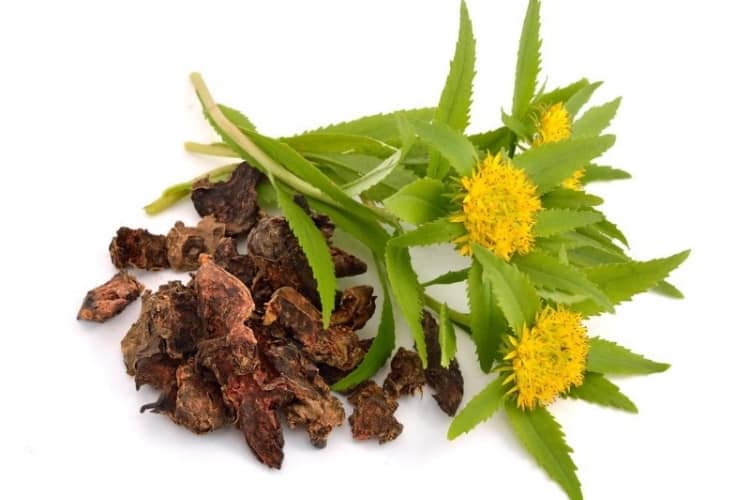
Rhodiola rosea is the Arctic adaptogen, native to the cold mountainous regions of Russia, Scandinavia, and Northern Asia. Its testosterone effect is indirect but reliable: by normalizing the cortisol response to physical and psychological stress, it frees up the testosterone-to-cortisol ratio that drives both subjective vitality and trainable strength. A 2009 RCT showed rhodiola supplementation reduced fatigue and improved exercise performance in stressed adults, with parallel improvements in cortisol-driven markers.
The mechanism most relevant to testosterone is its modulation of the HPA axis without the sedation that ashwagandha produces in some men — making rhodiola a daytime adaptogen rather than an evening one. Men who train hard, work demanding jobs, or run on chronic sleep debt see the most direct benefit; men with already-balanced cortisol see less.
Effective dose: 200–600 mg/day of an extract standardized to 3% rosavins and 1% salidroside. Take in the morning or pre-workout, not before bed. Cycle 8–12 weeks on, 2–4 weeks off, like the other adaptogens. Stack particularly well with Tongkat Ali (HPG axis) and ashwagandha (HPA axis at night) for a complete adrenal-and-androgen support protocol.
12. Maca (Lepidium meyenii)
Maca improves libido and sexual function without measurably changing serum testosterone — its effects appear to be neuroendocrine rather than gonadal. Useful as an adjunct for men whose testosterone numbers are fine but whose libido is flat.
13. Horny Goat Weed (Epimedium)
Contains icariin, a natural PDE5 inhibitor. Effects on testosterone itself are weak in humans; the herb earns its place mostly through circulation and erectile function support.
14. Maral Root (Rhaponticum carthamoides)
The “ecdysteroid” herb — its 20-hydroxyecdysone content has been studied for protein-synthesis effects in animals, with limited human data. Useful as a recovery adjunct for trained men, with a possible mild anabolic effect that does not appear to act through the androgen receptor.
African Herbs for Testosterone
African traditional medicine has produced several of the most studied testosterone-supportive plants. The hot, humid climates of West and Central Africa, Madagascar, and parts of East Africa preserved indigenous medicine traditions that the modern supplement industry now sources commercially.
Fadogia agrestis
Originally used in Nigerian traditional medicine for libido and erectile function. Animal studies show Fadogia agrestis raises serum testosterone in rats — the human evidence is much thinner. Effective dose if you want to try it: 600 mg/day of a standardized aqueous extract, cycled 8–12 weeks on with longer breaks than other herbs because of liver-toxicity questions raised in higher-dose animal work.
Yohimbe (Pausinystalia johimbe)
West African tree bark with potent alpha-2 adrenergic antagonist activity. Yohimbine improves erectile function and may modestly support testosterone, but the side effect profile (anxiety, palpitations, blood pressure spikes) makes it inappropriate for many men. If used, start low: 5 mg, see how you respond before considering 10 mg. Avoid combining with caffeine or stimulants.
Bulbine natalensis
South African succulent traditionally used for male sexual health. Animal studies suggest pro-androgenic effects, but recent research has raised hepatotoxicity concerns. Worth knowing about; not currently worth recommending until the safety question is settled.
Chinese Herbs for Testosterone
Traditional Chinese Medicine (TCM) has used adaptogenic and tonic herbs for thousands of years to address what TCM calls “kidney yang deficiency” — broadly equivalent to the modern picture of low testosterone with fatigue, low libido, and reduced exercise capacity. The herbs below have the most credible modern evidence.
Panax Ginseng (Korean / Asian Ginseng)
Panax ginseng (not American ginseng or Siberian eleuthero) has the strongest TCM-rooted evidence for testosterone support. Multiple human trials show modest erectile function and serum testosterone improvements in older men. Effective dose: 200–400 mg/day of an extract standardized to 4–7% ginsenosides.
He Shou Wu (Polygonum multiflorum / Fo-Ti)
Foundational TCM tonic for “kidney yang” and male reproductive health. The active compound is tetrahydroxystilbene glucoside. Modern evidence is limited and the herb has documented hepatotoxicity in some preparations — use only properly-prepared (jiu zhi) versions from reputable suppliers, and don’t run high doses long-term.
Schisandra chinensis
Five-flavor berry. Adaptogenic with mild androgen-supportive effects in animal studies. Better evidence as a stress-resilience tool than a direct testosterone-booster. 500–1,000 mg/day of dried berry powder.
Eleuthero (Siberian Ginseng)
Not technically Chinese but used widely in TCM-adjacent protocols. Adaptogenic effects on cortisol; minimal direct testosterone evidence. 300–600 mg/day if you want to try it for stress resilience.
Adaptogens for Testosterone
Adaptogens are a Russian-coined category of herbs that normalize physiological stress responses without producing direct stimulation or sedation. The link to testosterone is downstream: by regulating cortisol and the broader HPA axis, adaptogens support the testosterone-to-cortisol ratio that drives both vitality and recoverable training volume.
The Three Most-Studied Testosterone-Adjacent Adaptogens
The clearest evidence falls on three herbs already covered in detail above — ashwagandha (Withania somnifera), rhodiola (Rhodiola rosea), and Tongkat Ali (Eurycoma longifolia). Each works through a slightly different mechanism: ashwagandha lowers evening cortisol and supports sleep, rhodiola supports daytime stress resilience without sedation, and Tongkat Ali stimulates LH directly. Stacking one adaptogen from each rhythm — daytime + evening + HPG axis — produces additive effects.
Holy Basil (Ocimum sanctum / Tulsi)
Sacred herb in Ayurvedic medicine. Strong cortisol-lowering effects, particularly useful for men whose testosterone suppression is driven by chronic anxiety. 500 mg/day of a standardized extract.
Reishi (Ganoderma lucidum)
Medicinal mushroom rather than a traditional herb, but functionally similar. Modulates immune function and stress response. Modest indirect testosterone benefit through inflammation reduction. 1,000–3,000 mg/day of a fruiting-body extract.
Cordyceps
Another medicinal fungus with the strongest evidence for exercise capacity rather than direct testosterone elevation. Indirect benefit via training quality. 1,000–3,000 mg/day of a CS-4 or fruiting-body extract.
Spices and Roots Worth Highlighting
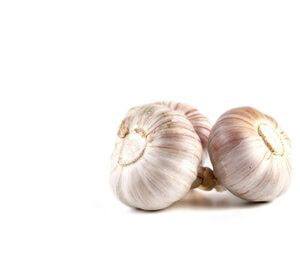
Beyond the formal “herb” category, several spices and roots show meaningful testosterone effects in trials. Garlic and ginger are the standouts — see our testosterone-boosting foods guide for the food-based versions. Saffron has limited but interesting libido evidence in human trials. Black seed (Nigella sativa) has shown modest testosterone-supportive effects in middle-aged men. None of these match the herb tiers above for direct effect, but they’re free or near-free additions to existing cooking.
How to Stack and Cycle
Stacking 2–3 herbs from different mechanism categories is more effective than running one herb at maximum dose. A reasonable starter stack for most men: Tongkat Ali (LH/SHBG axis) + ashwagandha (cortisol axis) + fenugreek (libido / aromatase). Run for 8–12 weeks, take 2–4 weeks off, recheck labs (total T, free T, SHBG, estradiol, cortisol), then either repeat or rotate to a different combination. The off-cycle prevents adaptive desensitization and lets you tell whether the effect was real.
Foundation First, Herbs Second
Herbs work best when the foundations are in place. Vitamin D above 40 ng/mL, magnesium and zinc deficiency corrected, 7+ hours of sleep, resistance training 3–4 days per week, and a non-extreme caloric and dietary fat intake — these basics produce more testosterone movement than any herb stack run on top of a broken foundation. See our testosterone-boosting foods guide and testosterone booster category breakdown for the rest of the framework.
Frequently Asked Questions
Which testosterone-boosting herb works fastest?
Fenugreek and Tongkat Ali typically produce noticeable subjective effects (libido, training drive) within 2–4 weeks. Measurable serum testosterone changes usually require 6–8 weeks of consistent dosing. Ashwagandha effects on cortisol are detectable within days but the testosterone benefit accrues over 8 weeks.
Can I take multiple testosterone herbs at once?
Yes, and it usually works better than running one in isolation. Pick herbs from different mechanism categories — for example, one pro-androgenic herb (Tongkat Ali, fenugreek), one cortisol-lowering adaptogen (ashwagandha, holy basil), and optionally one circulation/PDE5 herb (black ginger, horny goat weed). Avoid stacking three herbs from the same category.
Do testosterone-boosting herbs have side effects?
Most are well-tolerated at recommended doses. Reported issues: ashwagandha can cause sedation in some men and rarely affects thyroid function with long-term use; fenugreek can produce a maple-syrup body odor; Tongkat Ali at high doses may cause restlessness; Mucuna pruriens can cause GI upset and should not be combined with MAOI medications; Tribulus has caused gynecomastia in case reports.
Are testosterone herbs as effective as TRT?
No. Herbs typically produce 10–20% changes in serum testosterone in healthy men or men with borderline-low levels. TRT can take a 200 ng/dL hypogonadal man to 800 ng/dL — a 300%+ change. Herbs are useful for optimization at the margins or for men who don’t yet meet TRT thresholds; they are not a substitute for medical treatment of clinical hypogonadism.
How long should I cycle herbs?
Run 8–12 weeks on, then 2–4 weeks off. The off-cycle serves three purposes: it prevents adaptive downregulation, it lets you confirm the herb is actually doing something (you should feel the difference when you stop), and it gives the liver and kidneys a break from any low-grade processing burden.