

Medically reviewed by Michael Jessimy, RPh — Research analysis by Alex Eriksson. Last updated May 2026.
Arimistane (androsta-3,5-diene-7,17-dione) is an over-the-counter aromatase inhibitor (AI) and cortisol modulator marketed as a natural alternative to prescription drugs like Arimidex. It works by binding aromatase irreversibly, blocking the conversion of testosterone to estradiol. At doses of 50–75 mg/day for 4–8 weeks it reliably lowers estradiol and modestly raises free testosterone in men with elevated baseline estrogen. It is most useful for men coming off a pro-hormone cycle, men with gynecomastia symptoms, or men with measurably high estradiol — and least useful for healthy men with already-normal hormonal status. Long-term use can crush estrogen too low, which is its own problem; cycle 4–8 weeks on, 4 weeks off, and confirm with bloodwork.
Arimistane sits on a strange shelf in the supplement world: technically legal in the US under DSHEA, structurally a modified androstenedione, functionally an aromatase inhibitor, and in real terms more potent than most “natural” estrogen blockers. This guide covers what it actually does, the dose range from human and animal data, who benefits, and what to monitor.
What Arimistane Is
Arimistane is the trade name for androsta-3,5-diene-7,17-dione, a derivative of 7-keto DHEA that acts as a suicide aromatase inhibitor. “Suicide” means it binds the aromatase enzyme covalently and permanently disables that copy of the enzyme — the body has to synthesize new aromatase to recover function. This is the same mechanism class as exemestane (Aromasin), the prescription AI used in breast cancer treatment.

How It Differs from Other Estrogen Blockers
Most over-the-counter estrogen blockers are weak — DIM, calcium D-glucarate, indole-3-carbinol — and work by accelerating estrogen metabolism rather than blocking aromatase directly. Arimistane is in a different class entirely. For a broader survey of natural options, see our guide to natural aromatase inhibitors.
The Estrogen-Testosterone Balance
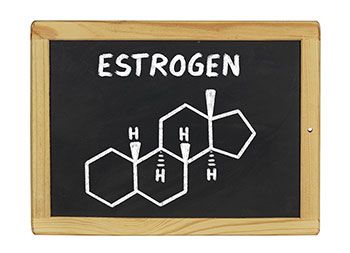
Aromatase converts testosterone to estradiol throughout the body, especially in adipose tissue. As men age and gain visceral fat, aromatase activity rises, which means more testosterone gets converted to estrogen. The result is the classic late-30s pattern: declining free testosterone, rising estradiol, and the symptoms that follow (fatigue, libido decline, body fat gain, gynecomastia).
Why Lowering Estrogen Helps Testosterone
Estrogen feeds back to the hypothalamus and suppresses LH (luteinizing hormone), which is the signal telling the testes to produce testosterone. Lower estradiol → less negative feedback → higher LH → higher endogenous testosterone production. This is why aromatase inhibitors raise total and free T, not just block estrogen.
Who Benefits from Arimistane
The biggest wins are concentrated in three populations:
- Men coming off a pro-hormone or anabolic cycle — used as part of post-cycle therapy (PCT) to recover natural testosterone production
- Men with measured high estradiol (sensitive assay LC/MS-MS > 35 pg/mL) and symptoms — gyno tenderness, water retention, mood disturbance
- Older men with declining T and rising aromatase activity from increased adipose tissue
It is poorly suited for healthy young men with already-normal hormonal status — crashing estradiol below ~20 pg/mL produces joint pain, libido loss, and lipid disturbances.
Bloodwork Before Starting
Get baseline labs: total testosterone, free testosterone, estradiol (sensitive assay), LH, FSH, SHBG, and a full lipid panel. Arimistane without baseline data is just gambling. See our breakdown of how SHBG interacts with the testosterone-estrogen ratio for context on why these markers go together.
Effective Dose and Cycle
The most common dosing is 50–75 mg/day for 4–8 weeks. Some PCT protocols start higher (100 mg/day) for the first week and taper down.
Dose Splitting
Arimistane has a moderate half-life. Splitting the daily dose (25 mg morning, 25 mg evening) produces more stable estradiol levels than a single dose. Take with food to improve absorption.
Cycle Length
4–8 weeks on, then 4 weeks off. Going longer carries real risk of crashing estrogen below the level needed for joint health, libido, and bone density. Recheck labs at week 4 and again 2 weeks after stopping to confirm normalization.
Stacking Considerations
Arimistane stacks well with circulation-supportive herbs (see herbs for circulation) and with testosterone-supportive adaptogens. It does NOT stack well with other AIs — exemestane, anastrozole, letrozole — because the combined effect crashes estrogen too far, too fast. Avoid combining with strong DIM doses for the same reason.
For men in the optimization phase rather than crisis management, our broader analysis at best testosterone booster on the market walks through which categories are worth your money and which are not. Arimistane is best thought of as a targeted tool for a specific imbalance, not a daily supplement.
Side Effects and Risks
Most reported side effects come from estradiol going too low rather than from the compound itself.
- Joint pain and stiffness (low estrogen affects joint lubrication)
- Libido decline (estrogen contributes to libido in men too)
- Mood flatness or depression
- Lipid changes — LDL up, HDL down — with extended use
- Fatigue and recovery decline if stacked with hard training
Less commonly: GI discomfort, headaches in the first week. Stop immediately if you develop any cardiovascular symptoms or if joint pain becomes significant.
Don’t Use Arimistane If
You have current or treated prostate cancer, untreated cardiovascular disease, family history of osteoporosis, or you’re under 21 and your HPG axis hasn’t fully matured.
Alternatives Worth Considering First
Before reaching for arimistane, the foundation moves are usually higher leverage:
- Lose visceral body fat — fat tissue is where most aromatase activity happens
- Optimize zinc, magnesium, vitamin D — all support healthy aromatase regulation
- Reduce alcohol — beer especially is pro-estrogenic via hops phytoestrogens
- Avoid xenoestrogens (BPA, phthalates) where practical
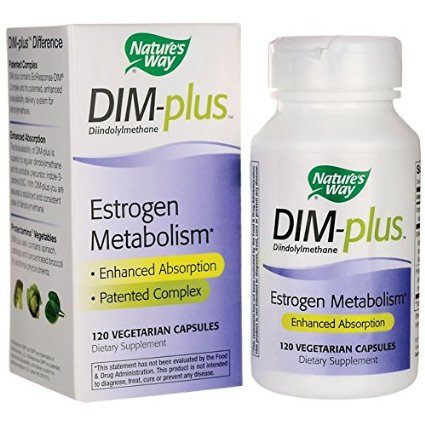
- Try DIM 100–200 mg/day — milder estrogen-metabolism support
- Consider testosterone-boosting herbs with mild aromatase-modulating effects (fenugreek, black ginger)
Frequently Asked Questions
Is arimistane legal?
In the US, yes — it’s sold as a dietary supplement under DSHEA. It is banned by WADA and most professional sports organizations as a “metabolic modulator.” Athletes subject to drug testing should not use it.
How fast does arimistane work?
Estradiol typically drops within 7–10 days of starting. Subjective effects (better mood, harder workouts, lower water retention) usually become noticeable in week 2–3. Maximum effect by week 4.
Will arimistane cause gynecomastia rebound after stopping?
Possible if the cycle was too long or estradiol crashed too low. The body responds to chronic suppression by upregulating aromatase. The 4–8 week limit and 4-week off period prevent this.
Can I take arimistane with TRT?
Only under medical supervision. Some men on TRT need an AI to control estradiol; others don’t. Adding arimistane to a TRT protocol without bloodwork can crash estrogen badly and create more problems than it solves.
What’s the difference between arimistane and Arimidex (anastrozole)?
Arimidex is a reversible aromatase inhibitor and a prescription drug. Arimistane is an irreversible (suicide) AI sold over the counter. Arimidex is more precisely titratable; arimistane has a longer effective duration per dose. Different tools for different contexts.