
Medically reviewed by Ivan Kokhno, MD — Research analysis by Alex Eriksson · Updated May 2026
Naringin is a citrus flavonoid found primarily in grapefruit, with documented in-vitro aromatase inhibition activity (the enzyme that converts testosterone to estradiol). Mechanism is plausible for male hormonal applications; human RCT evidence is limited. The most-cited animal data: rodent studies showing naringin supplementation reduces estrogen levels and modestly raises testosterone. The major caveat: naringin (and grapefruit broadly) inhibits the CYP3A4 enzyme that metabolises many medications; consuming naringin with prescription drugs can dangerously elevate drug blood levels. Standard daily intake from food: 50–200 mg from grapefruit and citrus; supplemental forms typically 100–500 mg.
The honest framing: naringin is an interesting compound with plausible aromatase-inhibition mechanism but limited human evidence for testosterone or body composition effects. The CYP3A4 interaction is a real safety concern that grapefruit-warning medication labels reflect. For aromatase modulation in men with elevated estradiol, prescription anastrozole has dramatically more reliable effects with proper medical supervision; for natural approaches, body fat reduction (8–15%) is the largest aromatase-reduction lever. Below: full mechanism, food sources, drug-interaction warnings, and where naringin fits (and doesn’t) in a male health stack.
Naringin is a flavonoid present in the peel and seeds of many citrus fruits. It contributes to their unique flavor and comes with a wide range of potential health benefits for all systems of your body.
Specifically, studies suggest naringin could help in treating metabolic syndrome, inflammation, and stress. Even if you don’t have any of these issues right now, it never hurts to decrease your risk of getting them later in life.
So, what are the best sources of naringin? What benefits can you get from it, and what is the most effective dosage?
Let’s dig into these matters!
Naringin
- What Is Naringin?
- Naringin-Rich Sources
- Health Benefits of Naringin for Men
- 1. Naringin Treats Metabolic Syndrome
- 2. Naringin May Prevent Cancer
- 3. Naringin Has Anti-Inflammatory and Bone Regenerating Properties
- 4. Naringin Fights Off Stress
- Dosage, Side Effects, and Drug Interactions
- The Bottom Line
What Is Naringin?
Have you heard of naringin before? Chances are, you haven’t.
Right now, there is limited data about this compound available to the general public, so it’s understandable if you don’t know much about its benefits.
Naringin is a flavonoid, a bioactive compound found in plants. The best natural sources of naringin specifically are citrus fruits, with grapefruit being the absolute winner.
But why is it important to understand the flavonoid nature of naringin?
Well, a study of more than 5,000 flavonoids found in different plants, scientists have confirmed that all of these compounds have a certein degree of anti-oxidative properties.
Thanks to their antioxidative power, flavonoids can prevent or reduce the symptoms of inflammation, cell damage, osteoporosis, ulcer, and even cancer.
Naringin has become popular in the medical and scientific community due to its ability to lower cholesterol and thus potentially prevent cardiovascular diseases. These features have made naringin a very likely candidate for the treatment of metabolic syndrome and obesity.
Since the human body can’t produce naringin (or any other flavonoids, for that matter), you have to get it with your diet. Here’s how.
Naringin-Rich Sources
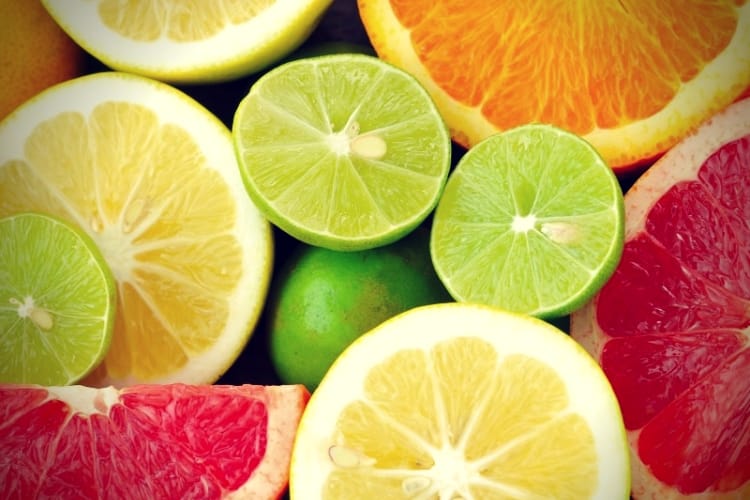
You can find small doses of naringin in oregano, tomatoes, and cherries. However, the best sources of naringin are citrus fruits:
- Grapefruit
- Tangerine
- Lime
- Orange
- Lemon
Squeeze them into fresh juice, make some frozen concentrate, prepare a bowl of fruit salad, or simply eat them raw. All options are great!
You can also make some lemon water to stay hydrated throughout the day. Prepare it beforehand by simply adding several slice of lemon in a pitcher of water and then cool it in the fridge.
Besides getting your naringin from fresh citrus fruits, another source is natural herbal medicines with Rhizoma Drynariae, Citrus aurantium, and Citrus medica, which are used in traditional Chinese medicine.
Because Rhizoma Drynariae promotes bone-formation, it’s commonly used to treat bone weakness and osteoporosis. It’s derived from the dried roots of the plant Drynaria fortunei, a perennial fern with root tubers.
Citrus aurantium (bitter orange) and Citrus medica (citron) are citrus fruits that are also turned into herbal medicine used to treat stomachache, skin infections, and dry cough. They’re also used to boost exercise performance and aid in weight loss.
How about supplements?
Naringin is available in supplement form. It’s usually combined with vitamins, minerals, and other bioflavonoids including hesperidin, quercetin, and rutin.
Health Benefits of Naringin for Men
1. Naringin Treats Metabolic Syndrome
Metabolic syndrome, also referred to as Syndrome X, is a group of medical conditions that arise all at the same time. This group increases an individual’s risk of diabetes, heart disease, and stroke.
According to the National Heart, Lung, and Blood Institute and the American Heart Association, you may be suffering from metabolic syndrome if you have three or more of the following health indicators:
- A waist size of 40 inches or larger
- High blood sugar (fasting glucose level of 100 mg/dL or higher)
- Elevated blood pressure (130/85 mmHg) or taking an anti-hypertensive drug
- High bad cholesterol (LDL 150 mg/dL or higher) or low good cholesterol (HDL less than 50mg/dL); or taking anti-cholesterol medicine
If you have three or more of these risk factors, you have an increased risk of acquiring diabetes or experiencing a stroke. What can you do about it?
First, lower your risk by eating healthy and exercising regularly. And then, ask your doctor about natural supplements that could help.
Supplementing your diet with naringin is a great way to reduce your risk of metabolic syndrome.
According to studies, naringin may reduce body weight, waistline size, and visceral fat levels. It also treats hypertension, lowers blood sugar, and reduces bad cholesterol.
A study of the effects of naringin in abdominal fat deposition was conducted in 2013 in Australia. Researchers fed rats with a high-carb high-fat diet and gave them a naringin supplement for 10 weeks.
Scientists found out that rats were still able to lose weight thanks to naringin, despite they were fed with an obesity-inducing diet.
2. Naringin May Prevent Cancer
Part of cancer treatment is to control it by suppressing, preventing, and altering cancerous agents in the body. These actions prevent the formation of new cancer cells in patients.
Amazingly, naringin can efficiently act as a blocking and suppressing agent to prevent cancer from further spreading or developing in the body. It can also cause tumor cells to die off or prevent them from migrating and invading healthy tissues.
3. Naringin Has Anti-Inflammatory and Bone Regenerating Properties
There are two other reasons why naringin is gaining popularity among health enthusiasts. Studies show this compound can alleviate inflammation and promote bone regeneration.
Athletes, active individuals, and bodybuilders rely on the anti-inflammatory properties of naringin to enhance their performance. The bone regeneration feature of naringin could come in handy for recovery after fractures, as well as for women approaching menopause.
4. Naringin Fights Off Stress
In addition, naringin works as an antioxidant that prevents free radicals from damaging the DNA, fatty acids, amino acids, and lipids in your body. Essentially, it stops oxidative stress from producing free radicals that damage the body.
Dosage, Side Effects, and Drug Interactions
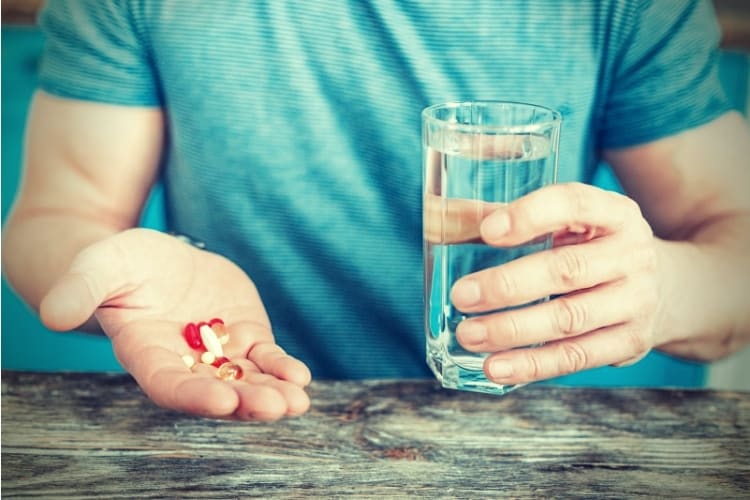
Naringin is best taken in a dosage of 500 mg once or twice every day. Keep in mind, though, that it’s best to ask your doctor if this dosage is suitable for you.
Naringin is generally safe, but it still has a few side effects that you should know about. These include:
- Hot flushes
- Headache
- Dizziness
- Cough
There’s a small possibility that naringin could affect other medicines you take. Evidence suggests that naringin can enhance the power of certain drugs by increasing their concentration, potentially leading to additional side effects.
Certain medications that could have a negative interaction with naringin include:
- Cholesterol-lowering drugs
- Sedatives
- Antihypertensive medications (drugs against high blood pressure)
- Calcium channel blockers
- Estrogen supplements
The Bottom Line
Before you go, remember that you shouldn’t take naringin if you’re a college athlete, especially if it’s sourced from bitter orange.
Bitter orange contains a stimulant known as p-synephrine, so naringing sourced from bitter orange could be, in theory, contaminated with p-synephrine.
The National Collegiate Athletic Association (NCAA) has listed bitter orange and its component synephrine in its list of banned drugs, as there’s a chance it could affect physical performance.
All in all, naringin comes with quite a few health benefits for men. Nevertheless, just like with any supplement out there, you should consider all its pros and cons before trying it out.
The Drug-Interaction Warning: Why Naringin Is Not Casual
Naringin and grapefruit broadly inhibit CYP3A4, an enzyme metabolising 50%+ of common medications. Inhibition causes drug blood levels to rise, sometimes to toxic levels. Medications with documented grapefruit interactions:
- Cardiovascular: amlodipine, felodipine, statins (especially simvastatin, atorvastatin)
- Anticoagulants: warfarin, apixaban, rivaroxaban
- Immunosuppressants: cyclosporine, tacrolimus, sirolimus
- Erectile dysfunction: sildenafil, tadalafil (interaction can produce dangerous hypotension)
- Anti-anxiety / sleep: many benzodiazepines
- Cancer chemotherapy: numerous interactions
If you’re on any prescription medication, check with your prescriber before adding concentrated naringin supplements or significant grapefruit consumption.
Where Naringin Fits in a Male Health Stack
Naringin is best treated as one component of a polyphenol-rich diet rather than a primary intervention. The cleanest practical approach:
- From food: 1 grapefruit or equivalent citrus daily (if not on interacting medications) provides ~50–100 mg naringin plus complementary flavonoids.
- Supplemental form (cautiously): 100–500 mg standardised naringin daily. The caveat: if you take any prescription medication, the drug-interaction risk likely outweighs the modest hormonal benefit.
- For aromatase modulation: body fat 8–15% is the single largest natural aromatase reduction lever. Best estrogen blockers covers the broader options including DIM and pharmaceutical AIs.
- Substrate / hormonal foundation: Tongkat Ali 200–400 mg/day for testosterone substrate.
- Direct DHT: Butea Superba for downstream signal.
- Cortisol management: Ashwagandha 600 mg/day KSM-66.
For deeper protocols, see best estrogen blocker, DIM for men, anastrozole / Arimidex for men, milk thistle and estrogen, testosterone-boosting foods, and ashwagandha and testosterone.
The AH Stack-Friendly SKUs
- Tongkat Ali (Eurycoma longifolia) — testosterone substrate herb.
- Butea Superba — direct DHT and erection-quality support.
- Ashwagandha — cortisol modulation; the Wankhede 2015 T/strength data.
- Anabolic Octane (D-K-A-E) — foundational T-supportive cofactors.
Frequently Asked Questions
Q: Does naringin lower estrogen?
A: In-vitro and animal data: yes, via aromatase inhibition. Human evidence is limited; rodent studies suggest the effect is real but modest. For meaningful estrogen reduction in men, body fat optimisation (8–15%) and dedicated AIs (DIM, prescription anastrozole) have substantially more reliable effects than naringin.
Q: How much naringin per day?
A: Dietary intake from 1 grapefruit daily provides ~50–100 mg. Supplemental forms typically 100–500 mg standardised. The bigger question is whether you’re on interacting medications — if yes, even dietary naringin should be discussed with your prescriber.
Q: Why does grapefruit interact with so many medications?
A: Naringin and related citrus flavonoids inhibit intestinal CYP3A4, the enzyme that metabolises 50%+ of common drugs. With CYP3A4 inhibited, drugs aren’t broken down efficiently and accumulate to higher (sometimes toxic) blood levels. The interaction can persist 24–72 hours after grapefruit consumption. Many medication labels explicitly warn against grapefruit for this reason.
Q: Is naringin safe to take long-term?
A: At dietary doses for healthy adults not on medications, yes. At supplemental doses or for men on interacting prescriptions, the risk profile is more complex. Long-term naringin supplementation in healthy men hasn’t been studied rigorously; reasonable approach is dietary intake from citrus rather than concentrated supplements unless under specific medical supervision.
Q: Naringin vs DIM for estrogen reduction?
A: DIM has more direct human evidence for estrogen modulation in men. DIM works through estrogen metabolism shifting (favouring 2-hydroxyestrone); naringin works through aromatase inhibition. Different mechanisms, with DIM having better-studied clinical applications in men. Both have safety considerations; DIM has fewer drug-interaction concerns than naringin.