
Medically reviewed by Ivan Kokhno, MD — Research analysis by Alex Eriksson · Updated May 2026
Ecdysterone (20-hydroxyecdysone) is a phytoecdysteroid found in spinach, quinoa, Cyanotis arachnoidea, and Rhaponticum carthamoides. It made headlines after the 2019 Isenmann RCT (German Sport University) showed 200–800 mg/day for 10 weeks produced 2–7x greater muscle gains than placebo in resistance-trained men — an effect size large enough that WADA placed ecdysterone on its monitoring list in 2020 (not banned, but watched). Mechanism: ecdysterone activates estrogen receptor beta (ER-beta) in skeletal muscle, mimicking some anabolic effects without binding the androgen receptor. Standard dose: 200–800 mg/day standardised extract, with food, in divided doses.
The honest framing: ecdysterone is one of the more interesting natural performance compounds with a reasonable mechanistic case and one strong human trial. The Isenmann results haven’t been independently replicated at the same magnitude, and supplemental ecdysterone products are notoriously variable in actual ecdysterone content (label vs reality). For most natural lifters, the combination of resistance training + adequate protein + creatine + sleep produces gains that match or exceed what ecdysterone has been shown to add. Below: full mechanism, the Isenmann trial detail, dosing, supplement-quality concerns, and where ecdysterone fits in a male health stack.
If you want to increase your testosterone levels naturally, the first thing to tweak is your lifestyle. Sleep well, exercise, eat healthy—that may be boring advice, but it definitely goes a long way. Then, focus on minerals and nutrients with scientifically confirmed testosterone-boosting properties: magnesium, selenium, boron, and zinc are some of the most important ones. To step up your game even further, you can take natural performance boosters like ecdysterone.
Ecdysterone, also called beta-ecdysterone, is a natural compound found in some insects, aquatic animals, and wild plants.
Some of the richest sources of ecdysterone are the Chinese plant Cyanotis arachnoidea and marine animals sources like the zoanthids that live in coral reefs.
But what’s in it for you, exactly? What makes top ecdysterone supplements so awesome for athletes, bodybuilders—and us men in general?
Let’s dig into the details.
Ecdysterone
- What Is Ecdysterone?
- Ecdysterone Benefits
- Ecdysterone Dosage
- Side Effects
- Dietary Sources
- Spinach
- Quinoa
- Ecdysterone’s Medicinal Value
What Is Ecdysterone?
Ecdysterone is a compound that’s structurally similar to human androgens. In insects and plants, it serves as a growth factor. The class of chemicals that ecdysterone belongs to earned part of its name (ecdy-) from the molting process in insects, ecdysis.
This compound goes by the molecular formula C44H27O7 and has a molecular weight of 480.6 g/mol.

Ecdysterone Health Benefits
Early research on ecdysterone suggests:
- It increases protein synthesis.
- It has anabolic properties, according to animal studies on rats and quail.
- Clinical studies with human subjects also reported anabolic effects resulting from ecdysterone intake.
- In a comparative research involving methandrotenolone (an anabolic steroid), it was shown that ecdysterone has a wider anabolic action.
- Combined with a high-protein diet, ecdysterone increases lean muscle mass and decreases body fat.
- Ecdysterone can also decrease blood glucose levels without affecting the levels of insulin in the blood.
- Ecdysterone apparently has anti-tumor, adaptogenic and antioxidant properties.
Additionally, recent studies have shown that the performance-enhancing effects of ecdysterone are caused by its ability to bind with estrogen receptors.
This ability of ecdysterone to interact with estrogen receptors is likely the reason why beta-ecdysterone alleviates symptoms of osteoporosis with minimal side effects, according to animal studies.
Ecdysterone in Sports
Recently, the World Anti-Doping Agency agreed that ecdysterone has significant ergogenic (performance-boosting) properties and decided to include it in its 2020 Monitoring List. So, while ecdysterone isn’t in the List of Prohibited Substances yet, sports authorities are keeping an eye on. Chances are, the stuff will soon get banned for good.
Today, ecdysteroids are marketed to athletes as a dietary supplement. The advertisers claim that their products can help reduce fatigue and increase muscle mass and strength.
Ever heard about the Russian scandal in the Olympic Games back in the 1980s? As the story goes, many Russian athletes took ecdysterone to boost their results.
A recent German study fed rats with beta-ecdysterone for one month, then measured the thickness of their joint cartilage and the intensity of their regeneration. The experts concluded that beta-ecdysterone may be a promising candidate drug for the treatment of osteoporosis but more testing is necessary before it can be approved for human treatment.
Ecdysterone Dosage
In the average Western diet, the level of ecdysteroids intake is usually lower than 1 mg per day. Compare this amount with the doses used by bodybuilders ranging up to 1000 mg per day.
Laboratory animals got ecdysterone according to their body weight. In a certain study, the mice were given 5 mg/kg body weight for 21 days.
In people, the effects of ecdysterone and its plant sources seems to be dose-related. Experts suggest a daily dose of 200 mg for anabolic effects.
Some people would rather mimic the dosage given to rats in experiments – that is, 5 mg/kg of body weight. The compound is apparently non-toxic anyway, so it’s probably safe to have a bit more than the amount recommended.
So, if you weigh 80 kg, multiply the number by 5. That will give you 400, and you are to consume 400 mg per day. For heavier guys, this dose can reach up to 600 mg.
In any case, it’s always a good idea to discuss the matter with your physician, just to be safe.
Side Effects
In a clinical study on ecdysterone, methoxyisoflavone, and sulfo-polysaccharide supplementation in resistance-trained males, the researchers reported the following:
Post-study questionnaires’ analysis yielded results entailing subjects’ experience in the trial. They have withstood the protocols of the supplements without any accounts of arising symptoms indicative of medical problems.
In other words, nope, it seems that ecdysterone has no side effects. Well, at least none that the medical and scientific community know of so far.
Dietary Sources
If you’re wary of taking supplements, or you just want to know if consuming natural sources will also be effective, consider the following food items:
Spinach
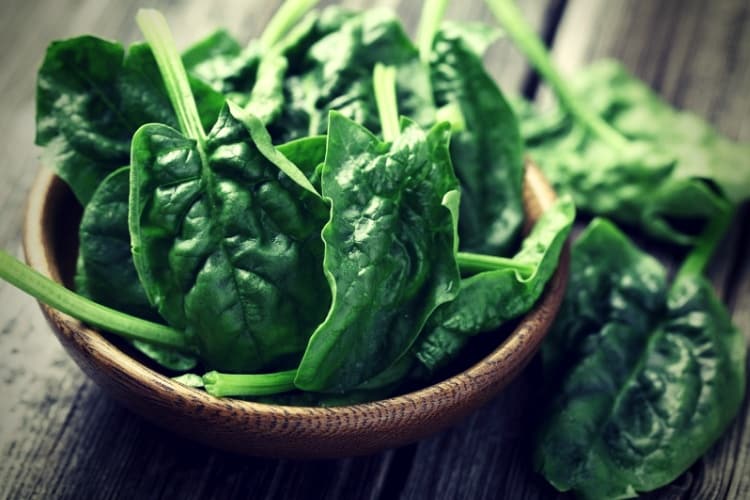
Two phytoecdysteroids are found in spinach – dehydroepiandrosterone (DHEA) and ecdysterone, the latter being more powerful. Spinach also contains nitrates, which are good for blood circulation.
Quinoa
You can get 18 mg of ecdysterone from every 50-mg serving of quinoa, a food item that is also rich in saponins—plant compounds with multiple health benefits.
Try cooking quinoa recipes that include garlic for an additional T-boosting effect.
There isn’t a lot of dietary sources of ecdysterone, but you can opt for powerful combinations with ecdysterone-containing food items and testosterone-boosting foods.
Examples include wild oats, celery, almonds, olive oil, brazil nuts, raw eggs, celery, fava beans, coconut oil, onions and pine pollen.
Ecdysterone’s Medicinal Value
Ecdysterone also has non-hormonal biological effects. For example, it’s beneficial against degenerative and chornic diseases, such as cancer, Parkinson’s, Alzheimer’s, diabetes and rheumatoid arthritis.
Ecdysterone also has adaptogenic properties, meaning it protects the body against the detrimental effects of stress. This is based with the compound’s antioxidant, gastroprotective, and anabolic effects.
Ecdysterone is also under investigation for possible protection of the cardiovascular system and suppression of neurodegenerative conditions.
Because of these properties, researchers are considering to develop ecdysterone as a medicinal agent for different types of diseases.
To fully experience the health benefits of ecdysterone, we recommend using this supplement available for purchase on Amazon.
Any questions? Drop them in the comments!
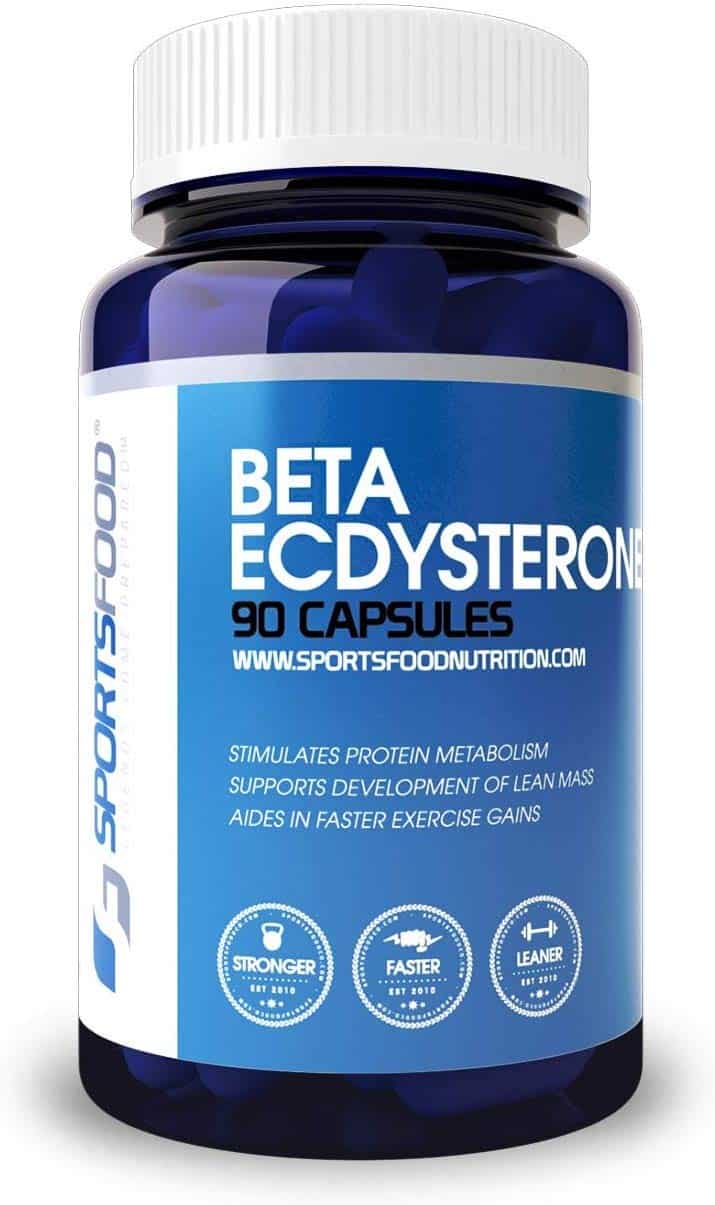
Sports Food Beta Ecdysterone
Where Ecdysterone Fits in a Performance Stack
Ecdysterone is a reasonable optional addition for trained natural lifters seeking a possible additional edge. Foundation stays the same; ecdysterone layers on top:
- Foundation (everything that matters most): 3–5x weekly resistance training with progressive overload, protein 1.6–2.2 g/kg/day, creatine monohydrate 5 g/day, sleep 7–9 hours, body fat 8–15%.
- Ecdysterone (if pursuing): 200–800 mg/day of standardised extract from a third-party-tested source. The Isenmann trial used 800 mg/day for 10 weeks. Cycle 8–10 weeks on, 4 weeks off.
- Substrate / hormonal foundation: Tongkat Ali 200–400 mg/day for testosterone substrate.
- Cortisol management: Ashwagandha 600 mg/day KSM-66 — the Wankhede 2015 trial showed 14.7% T elevation + 46% strength gain in trained men.
- Direct DHT: Butea Superba for downstream signal.
- Foundational vitamins: Anabolic Octane (D-K-A-E) for vitamin D + K2 + A + E.
Supplement-Quality Concerns
Independent testing has consistently shown that ecdysterone supplements vary dramatically in actual content vs label claims. A 2022 study tested 14 commercial ecdysterone products and found most contained substantially less than labelled, some near zero. If buying ecdysterone: insist on third-party Certificate of Analysis showing actual ecdysterone content; prefer products from reputable manufacturers with quality-control reputation; expect to pay for it (legitimate ecdysterone extract is not cheap).
For deeper protocols, see building muscle after 40, creatine for men, ashwagandha and testosterone, Rhaponticum carthamoides (ecdysterone source), natural steroid alternatives, and best supplements for men over 40.
The AH Stack-Friendly SKUs
- Tongkat Ali (Eurycoma longifolia) — testosterone substrate herb.
- Ashwagandha — cortisol modulation; the Wankhede 2015 T/strength data.
- Butea Superba — direct DHT and erection-quality support.
- Anabolic Octane (D-K-A-E) — foundational T-supportive cofactors.
Frequently Asked Questions
Q: Does ecdysterone really build muscle?
A: The 2019 Isenmann RCT (46 resistance-trained men, 10 weeks, 200–800 mg/day) showed substantial muscle and strength gains versus placebo. Animal data is supportive. Independent replication of the magnitude shown in the Isenmann trial is limited. Treat ecdysterone as an interesting compound with one strong human trial, not as a proven reliable mass-builder. Your foundation (training, protein, creatine, sleep) matters more.
Q: Is ecdysterone banned in sports?
A: Not banned, but on WADA’s monitoring list since 2020 (potential future banning under consideration). Tested athletes should be cautious; rules can change. For non-tested recreational lifters, ecdysterone is currently legal and unrestricted.
Q: How much ecdysterone per day?
A: 200–800 mg/day standardised extract is the studied range. The Isenmann trial used 800 mg/day in divided doses for 10 weeks. Lower doses (200 mg) showed effects in the same trial; higher doses (above 1,000 mg/day) haven’t been studied for additional benefit. Take with food in divided AM/PM doses.
Q: Does ecdysterone affect testosterone?
A: It doesn’t directly bind the androgen receptor and doesn’t reliably elevate serum testosterone in human studies. The mechanism appears to be through estrogen receptor beta (ER-beta) activation in muscle tissue, which is unusual for a “muscle-building” compound. Hormonally, it’s relatively unusual; it doesn’t suppress endogenous testosterone production the way anabolic steroids do.
Q: What food sources contain ecdysterone?
A: Spinach has small amounts (~50 mg per kg fresh). Quinoa, asparagus, mushrooms, and some yams also contain trace ecdysterone. Concentrated sources used for supplements: Cyanotis arachnoidea root and Rhaponticum carthamoides (Maral root). Hitting Isenmann-trial doses (800 mg) from food is impractical — you’d need impossible amounts of spinach. Supplemental forms are the only realistic dosing route.