
Medically reviewed by Ivan Kokhno, MD — Research analysis by Alex Eriksson · Updated May 2026
The Steak and Eggs Diet (originally promoted by bodybuilding legend Vince Gironda) is a 2-meals-per-day, near-zero-carb, high-protein/high-fat protocol: red meat (steak, mince, or liver) plus whole eggs, twice daily, with one cheat day every fifth day for glycogen replenishment and micronutrient diversity. The diet leverages ketogenic metabolism (carb restriction triggers fatty-acid oxidation), high dietary cholesterol and saturated fat (substrate for testosterone synthesis), and high-quality complete protein (~1.6–2.2 g/kg/day from steak and eggs alone) to drive simultaneous fat loss and muscle preservation/recomp.
The honest framing: Gironda’s protocol works for short-term cuts (3–6 weeks) on naturally lean and active men — recomp results in 4 weeks are realistic. However: the long-term sustainability and cardiovascular safety are uncertain, fibre intake is dangerously low (constipation is common), and modern testosterone-elevation evidence is more nuanced than 2017-era claims suggested. Below: full mechanism, daily protocol, the cheat-day science, who this diet is right for, who should avoid it, and where the steak-and-eggs approach fits in a modern testosterone-supportive nutrition plan.
Medically reviewed by Ivan Kokhno, MD — Research analysis by Alex Eriksson. Last updated May 2026.
The steak and eggs diet, popularized by bodybuilding coach Vince Gironda, is a near-zero-carb cyclical eating protocol: 6 days of only steak and eggs followed by one full carb-up day. It works for short-term fat loss because it forces the body into ketosis, controls insulin, and produces strong satiety from the high protein and fat. The protocol is effective for 4–8 week cuts in already-lean bodybuilders prepping for a contest, but it is nutritionally incomplete for long-term health, can elevate LDL in some men, and is unnecessary for the average lifter trying to lose 15 pounds. Modern alternatives — flexible ketogenic dieting or carb cycling — produce similar fat loss with better nutritional balance.
Vince Gironda was one of the most influential bodybuilding coaches of the 1950s and 1960s — the trainer of Larry Scott, Mohamed Makkawy, and a cult figure for his anti-conventional dietary advice. The steak and eggs diet was his go-to fat-loss protocol for clients in the final weeks before a competition. Sixty years later, the diet is enjoying a revival among carnivore-curious lifters. Here’s what it actually does, who it works for, and whether you should bother.
The Original Gironda Protocol
Gironda’s instructions were specific and minimal: every meal consists of fatty steak (he favored ribeye) and eggs, period. No vegetables, no fruit, no dairy, no bread, no rice. Two or three meals per day, eaten until full. Six days on, then one “free day” with normal carbohydrate intake to refill glycogen.

Why He Prescribed It
Gironda observed empirically that his clients leaned out fast on this protocol. The mechanism is now better understood than it was in 1965: the diet forces ketogenesis, controls insulin tightly except on the refeed day, and the high protein content drives satiety while preserving lean mass during caloric restriction.
The Science Behind Why It Works
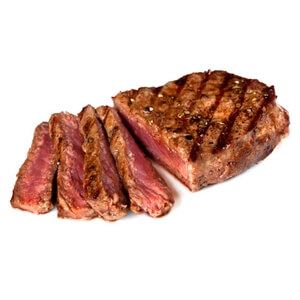
Three main mechanisms explain the diet’s effectiveness, each well-supported by modern research.
Ketosis and Fat Oxidation
With near-zero carbohydrate intake for 6 days, glycogen stores deplete and the liver begins producing ketone bodies for fuel. Multiple meta-analyses show ketogenic diets produce greater short-term fat loss than isocaloric high-carb diets, partly through metabolic effects and partly through appetite suppression.
Insulin Suppression
Insulin is anti-lipolytic — when it’s elevated, fat oxidation slows. Six days of zero-carb intake keeps insulin at floor levels, allowing maximal lipolysis. The carb-up day refills muscle glycogen without producing chronic hyperinsulinemia.
Protein Satiety
Protein has the highest satiety per calorie of any macronutrient. The 200–300 g of protein typical on a steak and eggs day produces such strong satiety that most men spontaneously under-eat by several hundred calories per day without trying.
Who It Works For
The diet’s strengths are concentrated in a specific use case: short-term aggressive fat loss in already-disciplined trainees prepping for a deadline (contest, photoshoot, weigh-in).
- Already lean (under 15% body fat for men) and looking to cut to stage condition
- Resistance training consistently for at least 2 years
- Have a fixed deadline 4–8 weeks out
- Tolerate dietary monotony
- Have basic blood markers (cholesterol, kidney function) confirmed normal
It does NOT work as well for general fat loss in beginners, anyone over 25% body fat trying to lose long-term weight, or men with elevated baseline LDL or family history of cardiovascular disease.
Practical Implementation

If you’ve decided to run the protocol, here’s the modern version that respects the original intent while accommodating current evidence:
Daily Structure
Two or three meals per day, each consisting of 200–300 g of fatty steak (ribeye, NY strip, chuck) and 3–6 whole eggs. Cook in butter, beef tallow, or olive oil. Salt liberally. Drink water, black coffee, or unsweetened tea. Total daily calories typically settle naturally between 1,800–2,400 — more than expected because of the high fat content.
The Carb Refeed
Every 7th day, eat carbohydrates freely for 24 hours: rice, potatoes, fruit, oats. This refills glycogen, supports thyroid function, and prevents the metabolic adaptation that long ketogenic protocols can produce. Avoid sugar bingeing; the goal is structured glycogen reload.
Cycle Length
4–8 weeks maximum. Beyond 8 weeks the diet’s nutritional gaps (no fiber, no vitamin C, very little potassium relative to need) start to compound and metabolic adaptation slows fat loss. Run a 4-week diet break of normal eating before any second cycle.
What’s Missing Nutritionally
Steak and eggs delivers tremendous protein, fat, B vitamins, zinc, iron, and choline. It’s notably deficient in vitamin C, fiber, magnesium, potassium, and most polyphenols. Short-term, this is fine — most men have body stores that can absorb 4–8 weeks of restriction. Long-term, the deficiencies compound.
For a more balanced approach to androgen-supportive eating that doesn’t require total dietary restriction, see our breakdowns of testosterone-boosting foods and the testosterone booster category.
Modern Alternatives
If your goal is fat loss without the dietary monotony, three protocols produce similar or better results with more nutritional balance:
Flexible Ketogenic Dieting
Same metabolic mechanism (ketosis, insulin suppression) but with vegetables, nuts, dairy, and limited berries included. Easier to sustain, fewer micronutrient gaps, similar fat loss.
Carbohydrate Cycling
Higher carbs on training days, low carbs on rest days. Preserves training performance better than steady ketosis and accommodates a normal social life around food.
Daily Protein-and-Fat-Anchored Eating
1.6–2.2 g/kg protein, sufficient dietary fat, moderate carbs around training. Less aggressive than either keto approach but sustainable for years rather than weeks.
Frequently Asked Questions
Is the steak and eggs diet healthy long-term?
No. It’s effective short-term (4–8 weeks) for fat loss in disciplined athletes. Beyond that, the lack of vegetables, fruit, fiber, and many micronutrients accumulates real risk. Use it as a tool, not a lifestyle.
How fast can I expect to lose weight?
Most men report 2–4 lb of fat loss per week in the first 2–3 weeks, slowing to 0.5–1 lb per week as the body adapts. The first week’s drop is exaggerated by glycogen depletion (~5 lb of water is normal). Don’t chase the early scale numbers.
Will I lose muscle on this diet?
If you’re training hard and eating sufficient protein (1.6+ g/kg), muscle preservation is good. Reduce training volume by ~30% during the diet to match the reduced calorie intake. The high protein and saturated fat actually support testosterone, which protects lean mass — see our SHBG guide for context on how dietary fat affects free testosterone.
What if I’m vegetarian or have heart disease in my family?
Don’t run this diet. The protocol is built around fatty red meat. Family history of cardiovascular disease is a relative contraindication; ask your doctor and run a baseline lipid panel before starting if you do proceed.
Can women do the steak and eggs diet?
The mechanism applies to women, but women generally tolerate aggressive caloric restriction less well — thyroid suppression and menstrual disruption are real risks. A flexible ketogenic approach is usually a better fit for female athletes wanting similar fat loss.
Where the Steak and Eggs Diet Fits in a Male Health Stack
Steak and eggs is a powerful short-term cut tool, not a long-term strategy. The cleanest practical layering:
- For a 3–6 week recomp/cut: full Gironda protocol — 2 meals/day, ~1 lb steak + 4–6 whole eggs per meal, water and black coffee only, cheat day every 5th day with carbs and vegetables. Stop at 6 weeks and transition back to a balanced testosterone-supportive diet.
- For long-term T-supportive nutrition: see testosterone diet and 5 high-testosterone foods. Mediterranean-pattern with steak/eggs as the protein core, plus fish, olive oil, vegetables, and selective carbs for performance.
- Substrate / hormonal foundation: Tongkat Ali 200–400 mg/day for testosterone substrate — pairs well with the high-cholesterol foundation Steak & Eggs provides.
- Direct DHT: Butea Superba for downstream signal.
- Cortisol management: Ashwagandha 600 mg/day KSM-66 — hard cuts elevate cortisol; pair to protect T.
- Foundational vitamins: Anabolic Octane (D-K-A-E) for vitamin D + K2 + A + E — especially important during low-vegetable phases.
- For bodybuilding context: see building muscle after 40 and coffee for bodybuilding.
For deeper protocols, see testosterone diet, testosterone-boosting foods, 5 high-T foods, best supplements for men over 40, natural steroid alternatives, and building muscle after 40.
The AH Stack-Friendly SKUs
- Tongkat Ali (Eurycoma longifolia) — testosterone substrate herb; pairs with high-cholesterol substrate.
- Butea Superba — direct DHT and erection-quality support.
- Ashwagandha — cortisol modulation; protects T during cuts.
- Anabolic Octane (D-K-A-E) — foundational T-supportive cofactors; critical during low-vegetable phases.
Frequently Asked Questions
Q: Does the Steak and Eggs Diet really raise testosterone?
A: Indirectly, yes — via three mechanisms: (1) high dietary cholesterol provides the substrate for testosterone synthesis (testosterone is made from cholesterol via pregnenolone), (2) saturated and monounsaturated fats from beef support healthy hormone production, and (3) zinc from beef and B-vitamins from eggs support Leydig cell function. But effect size is modest in already-healthy men. Larger T improvements come from correcting underlying issues (vitamin D deficiency, body fat >20%, sleep deprivation, alcohol). Don’t expect dramatic T elevation from diet alone.
Q: How long can you stay on the Steak and Eggs Diet?
A: 3–6 weeks max for the full strict protocol. Beyond that, fibre deficiency causes gut microbiome disruption, micronutrient gaps appear (vitamin C, magnesium, potassium, antioxidants from plants), and adherence drops. Use it as a short-term cut tool for events or fast recomp, then transition back to a Mediterranean or balanced T-supportive pattern. Some practitioners alternate 4 weeks on, 2–4 weeks off for cyclical use.
Q: Is the Steak and Eggs Diet safe for cardiovascular health?
A: Mixed evidence. The diet is high in saturated fat and dietary cholesterol; older guidelines warned against this strongly, while newer research (2020s) shows dietary cholesterol has weaker LDL impact than once thought, and saturated fat from whole foods (beef, eggs) behaves differently than processed sources. Still: men with existing cardiovascular disease, familial hypercholesterolemia, or strong family history should avoid this protocol or pursue it only under medical supervision with regular lipid panels. Track ApoB/LDL particle counts — not just total cholesterol — for accurate risk assessment.
Q: Who should avoid the Steak and Eggs Diet?
A: Men with: cardiovascular disease or strong family history, kidney disease (the protein load is too high), gout (red meat is high in purines), constipation-prone gut (the zero-fibre issue is severe), eating disorder history (the rigidity can trigger relapse), or pregnancy/breastfeeding (in a partner relying on shared meals). Also avoid if you have low energy availability (RED-S) or are training extremely high volume — you’ll need carbs for performance.
Q: What’s the cheat-day science?
A: The 5th-day cheat day (Gironda’s prescription) serves three real purposes: (1) refilling muscle glycogen for the next training cycle, (2) restoring micronutrients depleted by carb-restricted weeks (vitamin C, magnesium, fibre, plant phytochemicals), and (3) leptin/T3 metabolic refeed — carb refeeds bump leptin and thyroid hormones, partially countering the metabolic adaptation that occurs during prolonged caloric deficits. Modern protocols often use a more moderate “refeed day” rather than full cheat day, but Gironda’s instinct was correct: periodic carb reintroduction is metabolically protective.