
Medically reviewed by Ivan Kokhno, MD — Research analysis by Alex Eriksson · Updated May 2026
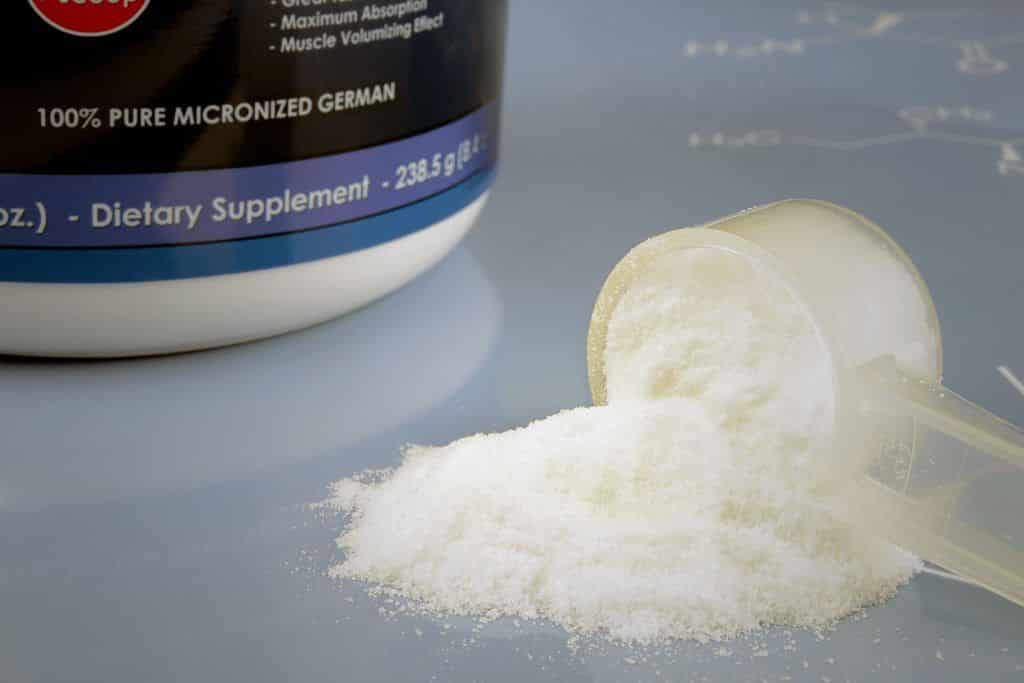
For 95% of men, plain micronized creatine monohydrate at 3–5g per day is the right answer. It is the most-studied supplement in sports nutrition history (700+ peer-reviewed trials), produces 5–15% strength gains over 4–8 weeks, increases lean mass by 1–2 kg, and supports cognitive function and recovery. The exotic forms (HCL, ethyl ester, kre-alkalyn) cost 3–5x more without producing measurably better results in head-to-head trials.
What to look for: Creapure®-certified monohydrate (the German-made standard with the cleanest purity testing), micronized particle size for solubility, no proprietary blends, third-party tested. Our top pick is Optimum Nutrition Micronized Creatine for the price-quality ratio; CON-CRET HCL is a reasonable choice if you struggle with bloating on monohydrate.
The 7 Best Creatine Supplements for Men in 2026
The creatine market is overcrowded with proprietary blends, gimmick forms, and brands paying more for marketing than for raw material. We narrowed it down to 7 products with verified Creapure® or USP-grade monohydrate (or, in two cases, well-supported alternative forms) that deliver the documented benefits without the markup.
1. Optimum Nutrition Micronized Creatine — Best Overall Value
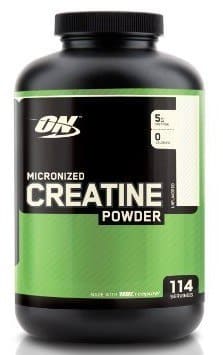
Pure Creapure®-certified micronized monohydrate. No flavors, no fillers, no proprietary blend nonsense. 5g per scoop, ~150 servings per tub. The reference product against which every other monohydrate is judged. Optimum Nutrition’s quality control is among the strictest in the industry, and the price-per-gram beats nearly everything except generic bulk powders.
Best for: 90% of users. New to creatine? Start here. Dose: 3–5g/day, no loading phase needed.
2. CON-CRET Creatine HCL — Best for Sensitive Stomachs
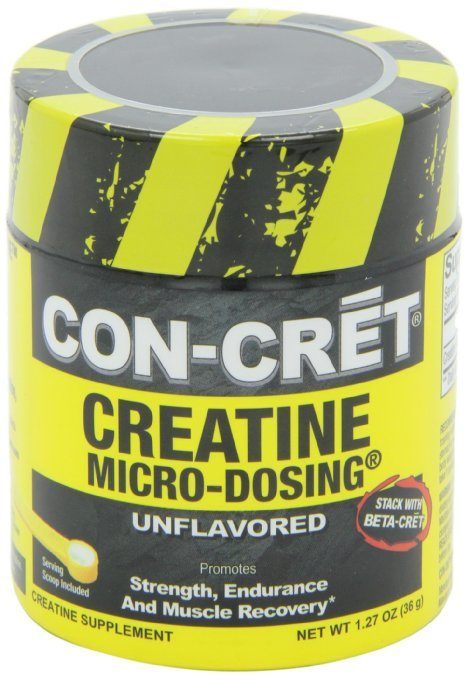
Creatine hydrochloride is the only alternative form with reasonable evidence for improved solubility and reduced GI side effects. CON-CRET pioneered the format. The marketing claims (10x absorption, micro-doses) are overstated, but the GI tolerance is real for men who bloat on monohydrate. Roughly 750 mg replaces a 5g monohydrate dose in the brand’s protocol; some users find this ineffective at the suggested dose and ramp up to 1.5–2g.
Best for: Men who experience bloating, water retention, or GI distress on monohydrate. Dose: 0.75–2g/day.
3. Naturo Nitro Creatine Chrome with Magnapower
Magnesium creatine chelate, marketed as a more bioavailable form. The single published trial showing benefit over standard monohydrate was funded by the manufacturer; independent replication is thin. Magnesium is genuinely underconsumed by most men though, so the supplement provides some collateral benefit on the magnesium side. A reasonable second-tier choice if you also need magnesium repletion.
Best for: Men with low magnesium status or who prefer chelated mineral forms. Dose: 3–5g/day.
4. All American EFX Kre-Alkalyn
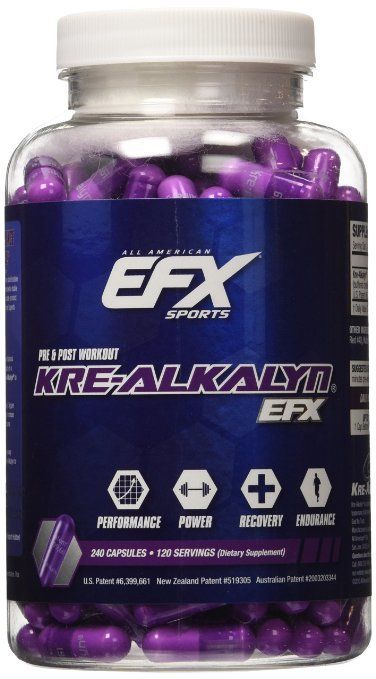
pH-buffered creatine. The premise: monohydrate degrades to creatinine in stomach acid, so a buffered form is more bioavailable. Independent research has consistently shown that monohydrate degradation in the stomach is minimal at standard doses, and head-to-head trials show no meaningful advantage. Kre-Alkalyn costs 2–3x what monohydrate does. Included here for completeness, not recommendation.
Best for: Men committed to the buffered-form theory despite weaker evidence. Dose: 1.5–3g/day.
5. Beast Sports Nutrition Creature Creatine Complex
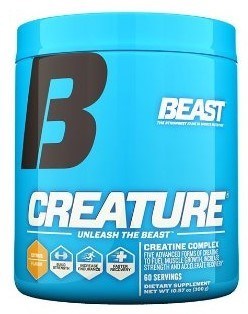
Multi-form blend (monohydrate, anhydrous, citrate, MagnaPower, AKG, pyruvate). The blend approach is more marketing than science — if monohydrate works at 3–5g, splitting that across five forms doesn’t add anything. Reasonable choice if you want a flavored option and don’t mind paying for the brand premium.
Best for: Men who prefer flavored powders. Dose: Per label, ~5g equivalent.
6. XPI Supplements Decacor Creatine
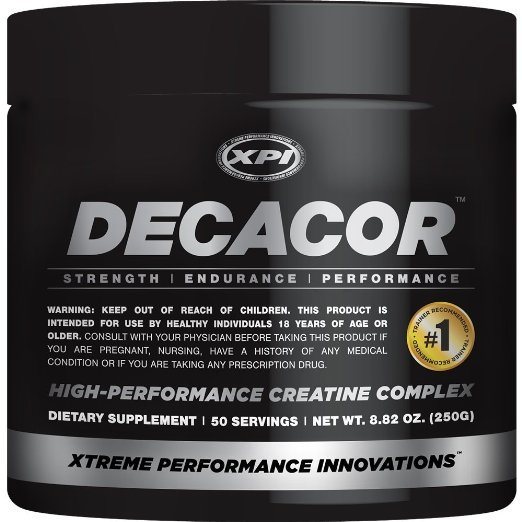
Ten-form creatine blend. The premise is that different forms target different uptake pathways. The evidence base for this premise is weak. The product is well-formulated and the pricing is fair, but the same outcomes are achievable with $0.30/serving Optimum Nutrition monohydrate.
Best for: Men committed to the multi-form approach. Dose: Per label.
7. Jacked Factory POWERBUILD
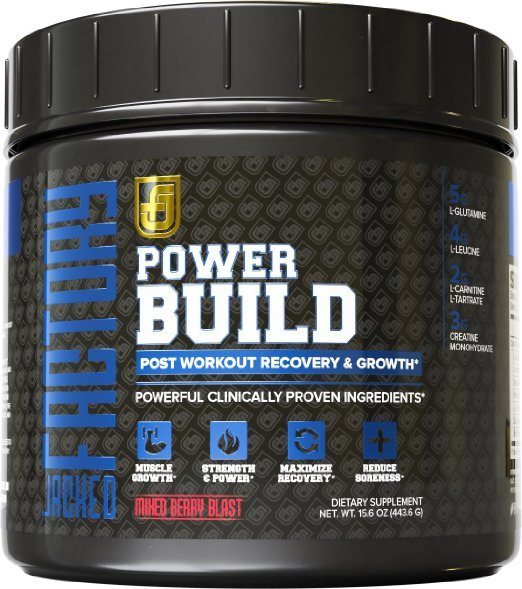
Pre/post-workout stack with creatine, betaine, beta-alanine, taurine, and HMB. A reasonable all-in-one for men who don’t want to track 5 separate supplements, though buying the components individually is significantly cheaper. The creatine portion is monohydrate at 5g, which is the right dose.
Best for: Men who want a single-scoop pre/post stack and don’t optimize for cost. Dose: Per label.
A Breakdown of Creatine Types — Which Form Should You Take?
The market is full of creatine variants, each marketed as superior to monohydrate. The actual head-to-head evidence is much narrower than the marketing suggests.
Creatine Monohydrate
The original and the standard. 700+ peer-reviewed studies. Cheap, well-tolerated by most users, produces all the documented benefits. The Creapure® brand is the gold-standard German-manufactured version with the strictest purity testing — many of the major brands (Optimum Nutrition, MyProtein, several others) license Creapure® for their monohydrate products.
Creatine Hydrochloride (HCL)
Better solubility in water, lower required dose (~750 mg vs 5g monohydrate per the brand’s protocol), reduced GI side effects in users prone to bloating on monohydrate. Limited independent trials but enough real-world tolerance evidence to make it a legitimate alternative for sensitive stomachs.
Creatine Ethyl Ester
Marketed as more lipid-soluble for better cell uptake. The actual research is uniformly negative — ethyl ester is hydrolyzed to creatinine before reaching muscle tissue. Skip it.
Creatine Citrate
Bound to citric acid for better solubility. Slightly better water-mixing than monohydrate but no advantage in muscle outcomes. Twice the price for the same effect. Most useful as a flavored powder ingredient.
Creatine Malate, Pyruvate, AKG, and Other Niche Forms
All marketed as superior. Independent evidence ranges from neutral to negative. None of these forms have head-to-head trials showing meaningful advantage over monohydrate. Useful only if you have a specific intolerance to monohydrate that the alternative doesn’t trigger.
Kre-Alkalyn (pH-Buffered)
The buffering premise is fine in theory, but the underlying problem (stomach acid degradation) has been shown to be minimal at standard doses. Head-to-head with monohydrate shows no advantage. Costs 2–3x more.
How Creatine Affects Testosterone, DHT, and Performance
Creatine’s reputation as a “natural anabolic” is partially justified. The mechanism is mostly about ATP regeneration and cellular hydration rather than direct hormonal effects, but two real hormonal interactions are documented:
- DHT elevation. A 2009 trial in college rugby players showed creatine supplementation raised DHT by ~56% during a 7-day loading phase, then maintained ~40% above baseline during a 14-day maintenance phase. This is meaningful for libido, body composition, and male-pattern characteristics. AH covers the broader DHT picture in the how to increase DHT guide.
- Modest testosterone effects. Most controlled trials show no acute testosterone increase from creatine alone, but the indirect effect via increased training intensity (heavier lifts, more volume) produces measurable T elevation over weeks of use.
For men prioritizing testosterone and DHT specifically, stacking creatine with a primary androgen-supportive supplement amplifies both effects. Tongkat Ali (Eurycoma longifolia) raises free testosterone in multiple controlled trials; Butea Superba supports libido and erectile function via DHT-related pathways. Both pair cleanly with daily creatine.
Creatine Dose, Loading, and Timing
Most of the dosing folklore is unnecessary. Three things are well-supported:
- Daily dose: 3–5g of monohydrate per day. Higher doses don’t produce more benefit; muscle storage saturates around 5g/day for most men.
- Loading phase: Optional. 20g/day for 5–7 days saturates muscle stores in 1 week instead of 4. Skipping loading and taking 3–5g/day reaches the same saturation by week 4. Loading is faster but can cause GI discomfort and water retention spike.
- Timing: Largely irrelevant. Some weak evidence for slightly better effects when taken post-workout with carbohydrate and protein, but the difference is small. Take it whenever you reliably remember.
Cycling off is unnecessary — long-term safety data extends past 5 years of continuous use with no documented kidney or liver issues in healthy men.
Pairing Creatine With Hormonal and Recovery Support
Creatine is one of the strongest single supplements for raw strength and lean mass, but it doesn’t address hormonal optimization, recovery, or the broader stack of nutrients needed to make training output translate to body composition gains. The high-leverage combinations:
- For testosterone and libido: Tongkat Ali for free-T elevation, Butea Superba for DHT and libido.
- For recovery and stress: Ashwagandha reduces cortisol and improves training tolerance, which lets you push the heavier loads creatine enables.
- For hormonal cofactors: Anabolic Octane covers the four fat-soluble vitamins (A, D, K, E) most depleted in modern Western diets — all matter for testosterone synthesis and bone health under heavy training loads.
- For circulation and erectile function: Black Ginger (Kaempferia parviflora) for blood flow and vasodilation, useful for men whose strength training is paired with sexual health goals.
For the broader hormone-supportive nutrition, see the testosterone-boosting foods guide and the testosterone-boosting herbs list.
Quality Assurance: Why Third-Party Testing Matters for Creatine Supplementation
One of the most common questions men ask about creatine supplementation is how to identify a high-quality product. The single most useful filter is third-party tested certification — ideally NSF Sport, Informed Sport, or USP Verified. These programmes batch-test for heavy metals, banned substances, label-claim accuracy (does the bottle actually contain 5 g of creatine per scoop?), and microbial contamination. Micronized creatine monohydrate from a reputable brand with third-party verification is essentially indistinguishable in performance from the most expensive “premium” formulations — the molecule is the same; what you’re paying for at the high end is mostly marketing, not pharmacology.
The mechanism behind muscle growth on creatine is direct: muscle cells use creatine kinase (the enzyme that interconverts ATP and phosphocreatine) to rapidly regenerate ATP during high-intensity contraction. More phosphocreatine in the cell means more reps before fatigue, which means more total mechanical tension across a training cycle, which is the primary stimulus for hypertrophy. Creatine kinase is also a useful clinical marker for muscle stress — serum CK rises after hard training and tracks with recovery demand. The 5–15% strength gains documented in the literature for creatine supplementation are downstream of this exact pathway: more substrate for the enzyme, more work output per session, more growth signal across weeks of consistent training.
The Bottom Line on Creatine for Men
Plain micronized creatine monohydrate at 3–5g per day is the right answer for nearly everyone. The exotic forms cost 3–5x more without delivering measurably better results. If you bloat on monohydrate, switch to HCL. If you want a single-scoop pre-workout, pick a stack that uses 5g of monohydrate. Beyond that, the variations are marketing.
Creatine works best when combined with progressive resistance training, adequate protein (1.6–2.2 g/kg/day), 7+ hours of sleep, and the hormonal support stack above. It is not a standalone testosterone booster, but it is one of the largest single levers for strength and lean mass in the supplement aisle — and it has the deepest safety record of any sports nutrition product.
Frequently Asked Questions
Q: What is the best creatine for men?
A: Optimum Nutrition Micronized Creatine (Creapure®-certified monohydrate) is the best price-quality combination for 90% of men. CON-CRET HCL is the better choice for men who experience bloating or GI side effects on standard monohydrate. The other forms (ethyl ester, citrate, malate, kre-alkalyn) are marketing variants without head-to-head evidence of advantage.
Q: Does creatine increase testosterone or DHT?
A: Creatine doesn’t directly raise testosterone in most controlled trials. It does raise DHT (dihydrotestosterone) by 40–56% during loading and maintenance, per a 2009 controlled trial. Indirect testosterone effects via increased training intensity show up over weeks of use.
Q: Do I need to load creatine?
A: No. Loading (20g/day for 5–7 days) saturates muscle stores in 1 week instead of 4. Skipping loading and taking 3–5g/day reaches the same saturation by week 4. Skip loading if you’re prone to GI discomfort or water retention spikes.
Q: When should I take creatine for best results?
A: Timing is largely irrelevant. Some weak evidence supports slightly better effects when taken post-workout with carbohydrate and protein, but the difference is small. Take it whenever you reliably remember — consistency matters far more than timing.
Q: Is creatine safe for long-term use?
A: Yes for healthy men. Long-term safety data extends past 5 years of continuous use with no documented kidney or liver issues. Men with pre-existing kidney disease should consult a doctor before starting; everyone else can use it indefinitely. Cycling off is unnecessary.