
Medically reviewed by Ivan Kokhno, MD — Research analysis by Alex Eriksson · Updated May 2026
The best cheap protein powder for most adult men prioritises three things: (1) whey protein concentrate (WPC) at $0.60–$0.90/serving, (2) third-party testing for purity (NSF Sport, Informed Sport, USP), and (3) minimal added sugars and proprietary blends. Whey concentrate at 80% protein content is the best cost-per-gram value; whey isolate (90%) costs 30–50% more for marginal benefit unless you’re lactose-intolerant. Plant-based options (pea, soy, rice) cost similarly to whey concentrate when standardised by total protein content.
What actually matters: “cheap” doesn’t mean low-quality. The biggest brand markups are for flavour systems, marketing, and proprietary “anabolic complex” labelling — not the actual protein. Bulk powders from reputable manufacturers (Bulk Supplements, Nutricost, Optimum Nutrition Gold Standard during sales) deliver clinical-grade protein at half the price of premium brands. Full reviews of 5 evidence-backed cheap options below + the “what to look for” checklist + protein-and-hormones discussion.
Do you wonder what the best cheap protein powder is? Finding protein supplements which are cheap and effective can be a difficult task. Good protein source shakes will help you skyrocket your performance and make the most out of your workouts.
We have gathered the best high quality protein supplements for a variety of individuals and outlined the pros and cons of each. The best protein post-workout shake powders below have excellent market reviews and are sold at a price you can feel good about.
Bulk Supplements CLEAN Whey Protein Powder is a great, filler free, whey protein isolate powder. This is one of the healthiest whey protein options for individuals who are lactose intole-rant. This is a flavor free supplement, so expect to flavor it yourself or cringe while drinking. If you are looking for good, cheap whey protein isolate powder, look no further.
EAS 100% Whey Protein Powder is another great whey protein option. While not as cheap as Bulk Supplements powder, it yields a mix of whey protein isolate and concentrate. It also tastes great for the price and eliminates the need to add flavor to your whey protein shakes.
BSN SYNTHA-6 Protein Powder is most definitely one of the best tasting complete protein supplements on the market, if not the best tasting protein drink of all. People may get scared off by its saturated fat quantity, but all the saturated fat comes from MCTs (medium chain triglycerides).
MCTs are fats that help you burn fat and lose weight. That means SYNTHA-6 may just be the best protein powder for weight loss. It also uses a mix of whey concentrate, isolate, hydrolyzed whey, and casein protein powders. This mix allows for amino acids released throughout the day.
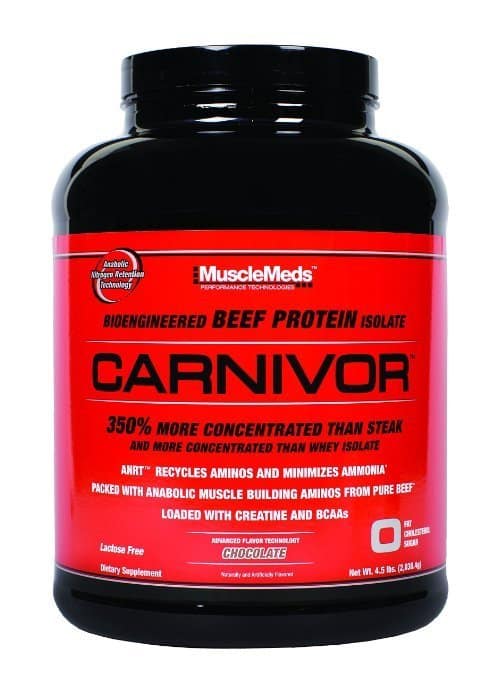
MuscleMeds Carnivor Beef Protein Isolate Powder is an option for people who have trouble digesting whey protein or for those who are on a paleo diet. They have outstanding reviews and it is offered at a good price considering it was the first beef protein powder on the market.
MuscleMeds claims amino acid recycling from their product and even if this is not the case, you can expect a high creatine dosage since the source is meat.
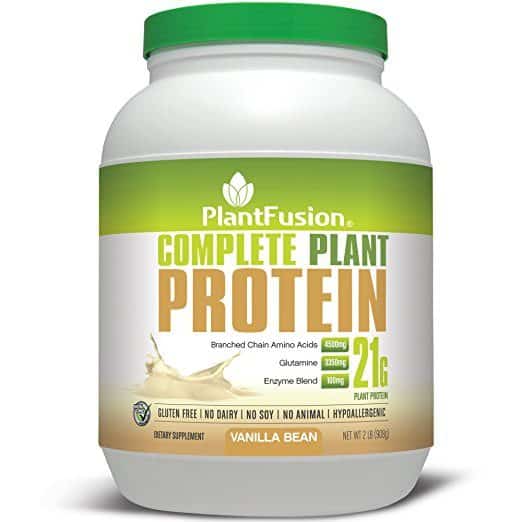
PlantFusion Protein is a popular vegan protein supplement. They source their protein from a variety of plants, including peas, quinoa, and amaranth. Although vegan plant-based protein powders are often not ideal and don’t taste great, PlantFusion might be a decent choice since it does not contain soy protein.
Best Cheap Protein Powder
- Best Cheap Protein Powders Comparison Table
- Best Cheap Protein Powder Reviews
- Whey Protein Concentrate
- Whey Protein Isolate
- Hydrolyzed Whey
- Casein Protein Powder
- Beef Protein Powder
- Vegan Protein Powders
- Why Take a Protein Powder Supplement?
- Can Protein Powder Benefit Hormone Levels?
- Conclusion
Best Cheap Protein Powders Comparison Table
Picture | Product | Main Ingredient |
|---|---|---|
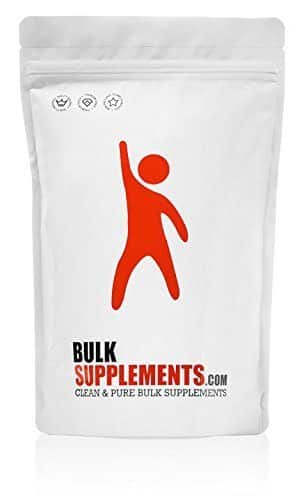 | Bulk Supplements CLEAN Whey Protein Powder | Whey Protein Isolate |
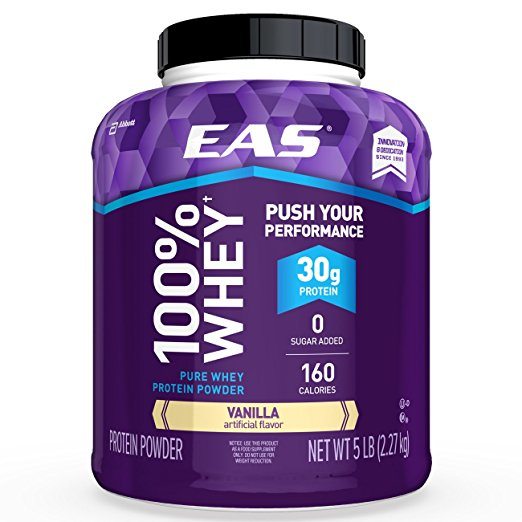 | EAS 100% Whey Protein Powder | Whey Protein Concentrate, Whey Protein Isolate |
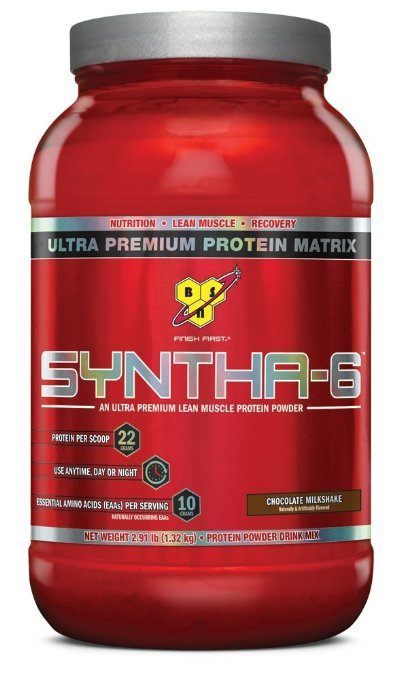 | BSN SYNT HA-6 Protein Powder | Whey Protein Concentrate, Whey Protein Isolate, Hydrolyzed Whey, Casein Protein |
 | MuscleMeds Carnivor Beef Protein Isolate Powder | Beef Protein |
 | PlantFusion Protein | Pea Protein, Artichoke Protein, Sprouted Amaranth, Quinoa |
Best Cheap Protein Powder Reviews
Whey Protein Concentrate
Whey protein concentrate is a popular ingredient in protein supplements and is a good weight gainer protein powder which still fits most peoples budget. Whey concentrate is a relatively lean protein powder which is produced as a by-product of making cheese.
Disadvantages of whey concentrate include its lack of purity compared to other forms of whey and other good protein powders.
It is also not the healthiest protein powder for people who are lactose intolerant. Nevertheless, it is still worth consideration and is a component in some of the whey protein shakes on the market.
Things We Liked
- Cheap
- Vegetarian
- Well Absorbed
- Tastes Good
Things We Didn’t Like
- Not Lactose Free
- Not Very Concentrated Compared To Other Whey Forms
Products Containing Whey Protein Concentrate:
EAS 100% Whey Protein Powder | BSN SYNTHA-6 Protein Powder |
Whey Protein Isolate
Whey protein isolate powder is a great form of protein powder and is the purest form of whey protein supplement.
Whey protein isolate powder is also the healthiest protein powder for lactose intolerant people, compared to other forms of whey. Unless you are severely lactose intolerant, its 0.5-1% lactose content should not be of any concern for you.
Isolate is one of the best protein powders for muscle building and muscle growth since it is absorbed very fast into the bloodstream. Protein drinks with whey protein isolate powder are great to consume after a workout, especially if they have some hydrolyzed whey alongside the isolated powder.
Things We Liked
- Vegetarian
- Extremely Quickly Absorbed
- Tastes Good
- Less Lactose (Under 1%)
Things We Didn’t Like
- Doesn’t Mix As Well As Other Whey Proteins
Products Containing Whey Protein Isolate:
EAS 100% Whey Protein Powder | BSN SYNTHA-6 Protein Powder |
Bulk Supplements CLEAN Whey Protein Powder |
Hydrolyzed Whey
Hydrolyzed whey is the fastest absorbed protein powder on the market. It is just whey isolate which has undergone a process to slightly predigest it. This means by the time you are finished drinking your protein shake, it is already getting absorbed and on its way into your muscle.
Hydrolyzed whey is the best protein powder for muscle building, if taken right after your workout. Even using a small amount alongside other protein forms can help you yield the benefits without emptying your wallet.
Hydrolyzed whey is slightly higher in lactose then whey protein isolate powder, at 2-3%, so be advised if you are lactose intolerant.
Things We Liked
- Vegetarian
- Best Absorbed
- Good For Muscle Building
- Good For Workout Recovery
Things We Didn’t Like
- Expensive
- Doesn’t Taste Great On Its Own
- May Affect Lactose Intolerant Individuals
Product Containing Hydrolyzed Whey:
BSN SYNTHA-6 Protein Powder
Casein Protein Powder
Casein protein powder is a component of many good protein shakes. It is usually added because it adds great texture and taste to protein shakes.
Casein protein is digested very slowly. It bulks up in the stomach and is released over the course of up to 12 hours.
Casein protein mixed alongside faster-absorbed whey proteins can be very effective as an all-around protein supplement. The whey will provide a large initial release of protein while the casein will be released over an extended period of time long after the whey is absorbed.
Things We Liked
- Cheap
- Vegetarian
- Extended Absorption
- Best Tasting
- Great Texture
Things We Didn’t Like
- Not Lactose Free
- Alone It Doesn’t Cause A Large Amino Acid Spike
- Can Cause Digestive Issues
Product Containing Casein Protein Powder:
BSN SYNTHA-6 Protein Powder
Beef Protein Powder
Beef protein powder is a promising new protein supplementation. It is a dry concentrate of beef muscle tissue and brings alongside it the many unique benefits of high meat intake.
You can expect a good creatine dosage in addition to the protein, which will be absorbed even by those who are normally creatine non-responders, as well as a high dose of glutamine.
Beef protein is the best protein powder for those on a paleo diet and for those who don’t respond well to any of the dairy based protein supplements.
Unfortunately, the texture of beef protein can be odd and the taste is rarely great.
Protein powder reviews have stated that this is one of the best protein powders for weight loss. It is a very slow release protein, similar to casein, so this could help stave of hunger on restrictive diets and may even be used alongside whey to extend the amino acid spike.
Things We Liked
- Paleo
- Well Absorbed
- Beneficial By-Products
Things We Didn’t Like
- Few Manufacturer Options
- Bad Taste
- Bad Texture
Product Containing Beef Protein Powder:
MuscleMeds Carnivor Beef Protein Isolate Powder
Vegan Protein Powders
Vegan protein powders are those which contain pea, soy, amaranth, quinoa, and many other plant based proteins.
The problem with these hemp protein powders is that vegetable based proteins don’t have a complete amino acid profile compared to protein powders made from animal products. This can mean a hemp protein powder supplement which is less effective.
If you are vegan you may not have a choice, but at the very least avoid soy protein. For vegetarians, we would highly encourage you to try whey, casein, or egg based protein powders.
Things We Liked
- Vegan
- Well Absorbed
- Beneficial By-Products
Things We Didn’t Like
- Few Manufacturer Options
- Bad Taste
- Bad Texture
Product Containing Vegan Protein Powders:
PlantFusion Protein
Why Take a Protein Powder Supplement?
You can also watch many videos on YouTube to find the best flavors to make your protein drinking routine all the more enjoyable.
Protein intakes are lower than ever right now. Increased protein intake can help you build muscle, burn fat, and improve your overall well-being.
A good high-quality protein powder will make it easier to increase your protein intake in your day to day life. Instead of having to prepare a big meal, you have the ease of only requiring a scoop of powder and a shaker cup to get the protein that you would usually get from preparing a steak in a fraction of the time.
Despite some claims, going above 1 gram of protein per pound of body mass is unlikely to benefit most people. The most hardened athletes could benefit, but beware, too high protein intakes may reduce testosterone levels. Conventional dietary guidelines recommend about 75-85 grams per day for sedentary men.
Can Protein Powder Benefit Hormone Levels?
In short, yes. Higher protein intake has been connected to higher IGF-1 levels, elevated thyroid hormones, and improved insulin sensitivity.
Dairy based protein powders may elevate IGF-1 levels. IGF-1 helps muscle cells expand and multiply. That means that whey and casein are likely the best protein powders to use to build muscle.
Cost-Per-Gram Comparison: How to Calculate Real Value
The “cheap” framing matters because protein powder marketing obscures the actual cost-per-gram of protein. To calculate true value, divide the bottle price by (servings × grams of protein per serving):
- Premium brand example: $50 / (30 servings × 24g) = $0.069/gram of protein
- Cheap concentrate example: $30 / (30 servings × 24g) = $0.042/gram of protein (40% cheaper)
- Bulk powder example: $25 / (60 servings × 25g) = $0.017/gram of protein (75% cheaper than premium)
The cost-per-gram framing also reveals when “isolate” pricing isn’t worth it. A whey isolate at $60 for 30 servings of 25g = $0.080/gram — vs the cheap concentrate at $0.042/gram. Unless you have lactose intolerance specifically, the isolate premium isn’t justified by performance or muscle-building outcomes.
Third-Party Testing: The Quality Signal That Matters Most
The single most important quality filter for cheap protein powders is third-party testing certification. The relevant programs:
- NSF Certified for Sport — tests for banned substances + label-claim accuracy + heavy metals + microbial contamination. Most rigorous for athletes.
- Informed Sport — similar to NSF Sport, batch-tested for banned substances. Required by most pro-sports teams.
- USP Verified — verifies label claims + ingredient quality + manufacturing GMP. Less athlete-focused but rigorous.
- ConsumerLab — independent testing organisation that publishes results behind a paywall.
Cheap protein powders without ANY third-party certification carry meaningfully higher risk of: heavy metal contamination (cadmium, lead, arsenic), label-protein-content shortfalls (the “protein spiking” scandal of the 2010s), and trace banned-substance contamination from shared manufacturing facilities. Spending an extra $5/tub for a third-party-tested product is the cheapest insurance you can buy.
The Protein-and-Hormones Question
Adequate protein intake (1.6–2.2 g/kg bodyweight daily for men in resistance training) supports normal testosterone synthesis indirectly through several pathways: maintaining lean mass (testosterone correlates with muscle mass), supporting recovery (cortisol opposes testosterone, and protein-fed recovery lowers exercise-induced cortisol), and providing amino acid precursors for hormone synthesis. Whey specifically delivers a high-leucine pulse that triggers muscle protein synthesis, which is the primary mechanism for the strength and muscle gains over training cycles.
Excessive protein intake (above ~3.5 g/kg) doesn’t appear to elevate testosterone further; it’s just expensive urine. The myth that protein powder “boosts” testosterone is overstated — what protein does is provide the raw materials and recovery support that lets testosterone produce the muscle-building effects you actually want. For broader hormonal optimisation, see our guides on testosterone-boosting foods and creatine for men.
The AH Stack-Friendly SKUs to Pair With Protein
For men maximising training adaptation alongside protein intake:
- Tongkat Ali — supports endogenous testosterone production for the muscle-building signal protein delivers.
- Butea Superba — direct DHT support; pairs with resistance training.
- Ashwagandha — reduces cortisol; the 2015 Wankhede study showed +14.7% testosterone and +46% strength in resistance-trained men.
- Anabolic Octane (D-K-A-E) — vitamin D3 + K2 supports normal testosterone synthesis cofactors.
Frequently Asked Questions
Q: Is whey concentrate as good as whey isolate?
A: For 95% of users, yes. Both deliver complete amino acid profiles and trigger comparable muscle-protein-synthesis responses. The main differences: isolate has slightly less lactose (better for lactose-sensitive users), slightly less fat and carbs (matters for very-cut diet phases), and faster absorption rate (matters for elite-level competition timing). For general fitness and muscle-building, concentrate at $0.60/serving outperforms isolate at $1.20/serving on cost-per-result.
Q: How much cheap protein powder should I take daily?
A: Resistance-trained adult men need roughly 1.6–2.2 g of total protein per kg of bodyweight daily, distributed across 3-5 meals. For an 80 kg man, that’s 130–175 g protein/day. If your whole-food intake provides 100–120 g, supplementing 30–50 g via 1-2 protein shakes covers the gap. Higher amounts don’t produce better outcomes; they just produce more expensive urine.
Q: Are plant-based protein powders worth the price difference?
A: Quality plant-based powders (pea, rice, hemp blends) deliver complete amino acid profiles and comparable muscle-building outcomes to whey when total protein and leucine are matched. Cost is now competitive with whey concentrate. Choose plant-based for digestive sensitivity to dairy, environmental concerns, or dietary preference; whey for absolute lowest cost-per-gram and fastest absorption.
Q: Can cheap protein powder cause kidney problems?
A: For healthy adults with normal kidney function, no. The 2018 Devries et al. systematic review concluded that high-protein diets up to 3 g/kg/day produce no measurable harm to kidney function in healthy populations. The kidney-damage concern only applies to people with pre-existing chronic kidney disease, where any high-protein intake (food or supplement) requires medical management.
Q: What’s the difference between $30 and $80 protein tubs?
A: Mostly: branding, flavour-system complexity, marketing budget, and proprietary “anabolic complex” labels. The actual protein content is comparable when third-party tested. The $80 premium brands often add small amounts of creatine, BCAAs, glutamine, or digestive enzymes — useful but cheaper to buy as separate single-ingredient supplements. Stick to single-ingredient cheap whey concentrate + buy creatine and zinc as standalone supplements; you’ll save $40+/month on the same total intake.
Conclusion
Many supplements require a fair amount of thought and budgeting before making the decision to buy, but buying a protein supplements doesn’t have to be difficult.
Of the cheap protein supplements with the optimum nutrition we listed, we have chosen BSN SYNTHA-6 Protein Powder as the best protein powder for your money. It unites an excellent protein matrix of whey and casein forms with a delicious flavor and fat burning MCTs, to make an excellent and well rounded product.
Some of the best protein drinks are cheaper than ever right now, so now is the time to buy and yield the benefits of good protein shakes.
Image credits: Amazon.com