Medically reviewed by Ivan Kokhno, MD — Research analysis by Alex Eriksson · Updated May 2026
Pine pollen dosage: 1–3 grams per day (roughly 1 tablespoon of powder) for general nutritional support; up to 10 g/day short-term for those targeting reported androgenic effects (note: not all forms support this dose, see below). Pine pollen contains trace amounts of testosterone, DHEA, androstenedione, and androsterone — the only known plant source of human-bioidentical androgens — alongside ~200 vitamins, minerals, amino acids, and antioxidants. Two forms: cracked-cell-wall powder (best for nutritional uses) and tincture/extract (alcohol-based, best for the androgenic compounds because it bypasses gut and liver metabolism for sublingual absorption).
The honest framing: the human evidence for pine pollen as a testosterone booster is weak — the androgen content is real but the absorbed dose from typical 1–3 g/day powder is small. Tinctures (sublingual) deliver the androgens more effectively but still in micro-doses. Most reported benefits come from the broader nutritional/antioxidant load, not from delivered androgens at meaningful physiological levels. For T elevation specifically, Tongkat Ali and ashwagandha have substantially stronger RCT evidence. Below: dosing protocols by form, mechanism, quality markers, safety, and where pine pollen fits in a male health stack.
What’s the right pine pollen dosage? If you’re trying to find the answer to this question, you should at least start with the basics—know what the supplement really is and what it can actually offer.
Pine pollen, from the name itself, is pollen from a pine tree. Manufacturers don’t use the same pine tree species, though they usually stick with the more common ones like Pinus tabulaeformis and Pinus massoniana.
From being a Chinese traditional medicine treasure, pine pollen has been dubbed as one of this century’s top superfoods for its benefits to the human body.
Pine Pollen Dosage
The use of pine pollen has been popular in China for thousands of years. In traditional Chinese medicine, pine pollen is praised for its health benefits on the heart, lungs, liver, kidney, and spleen.

Benefits of Pine Pollen
Pine pollen has an impressive assortment of nutrients (vitamins and minerals), enzymes, essential amino acids, and phyto-androgens. Examples of these include iron, zinc, folic acid, and vitamin A.
If you’re also looking for antioxidants, you’ll be glad to know that the supplement contains superoxide dismutase. This is quite effective against free radicals, converting reactive oxygen into normal oxygen molecules.
Here’s something more interesting though—pine pollen is naturally loaded with androgens, including testosterone. This further stimulates the production of the primary male hormones.
As you should know, testosterone supports muscle strength and mass. Aside from that, having the right testosterone levels helps in the prevention of osteoporosis by strengthening the bones.
Achieving a high testosterone level (or having lots of free testosterone) also improves sexual health. Pine pollen contains sex hormones (androgens) and other compounds that help in increasing libido.
Choices and Dosages
Pine pollen extract can be taken in three different ways—as is (or in powder form), mixed in beverages, and as a tincture. Choose one based on your preferences when it comes to supplementation.
- Normal
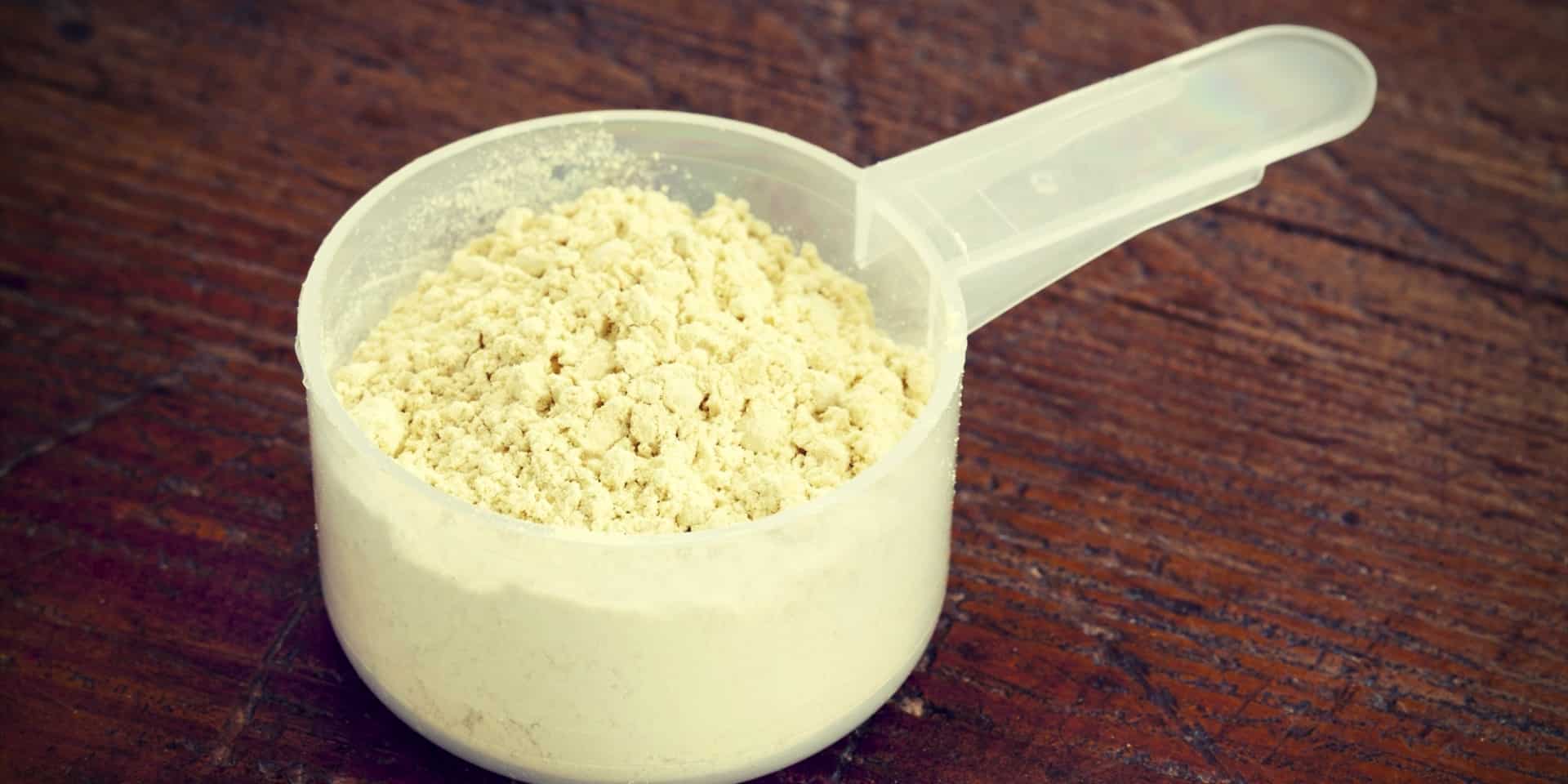
Put a tablespoon of pine pollen powder (or raw pine pollen) into your mouth and drink some water afterwards. Be careful not to sneeze or cough or it will be a mess. - Mixes
While many people don’t have any problems with the powder’s taste, it’s perfectly fine if you’re having a hard time with it. Don’t worry since you can also add the powder to your favorite beverages. - Tincture
Making a pine pollen tincture can be a bit messy but it’s still a good option. Simply pour the powder in a container then add sufficient amounts of alcohol.
Hence, how much pine pollen will you need in a day? In most cases, a tablespoon of powder (or an equivalent) should suffice—exceeding that by half a tablespoon is fine.
If you’re planning to use it as a sex tonic, you will have to take three tablespoons of pollen pine powder at night. You’ll wake up the next day with morning wood.
Quality and Safety
Are you ready to enjoy the various pine pollen benefits? Well, don’t forget that purity, bioavailability (cracked cell wall), and potency are closely linked, and so be sure to choose a quality product.
Also, while the supplement is generally considered safe, it’s still important to stay within the recommended pine pollen dosage. Of course, checking for allergic reactions or pollen allergies is likewise a must.
Where Pine Pollen Fits in a Male Health Stack
Pine pollen is best used as a foundational nutritional adjunct, not a primary T-boosting supplement. The cleanest practical layering:
- For nutritional/antioxidant support: 1–3 g/day cracked-cell-wall Pine Pollen Powder mixed in shakes, smoothies, or cold beverages (heat degrades the active compounds). Effects are broad-spectrum (vitamins, minerals, amino acids, antioxidants) rather than dramatic and specific.
- For the androgen content specifically: tincture form, 1–3 dropperfuls held under the tongue for 30–60 seconds before swallowing. Sublingual route bypasses first-pass metabolism for the trace testosterone/DHEA. Effects, if any, are modest.
- Substrate / hormonal foundation (much stronger T evidence): Tongkat Ali 200–400 mg/day for testosterone substrate.
- Direct DHT: Butea Superba for downstream signal.
- Cortisol management: Ashwagandha 600 mg/day KSM-66.
- Foundational vitamins: Anabolic Octane (D-K-A-E) for vitamin D + K2 + A + E.
For deeper protocols, see ashwagandha and testosterone, best supplements for men over 40, testosterone-boosting foods, natural aphrodisiacs, herbal aphrodisiacs, and oyster extract (zinc).
The AH Stack-Friendly SKUs
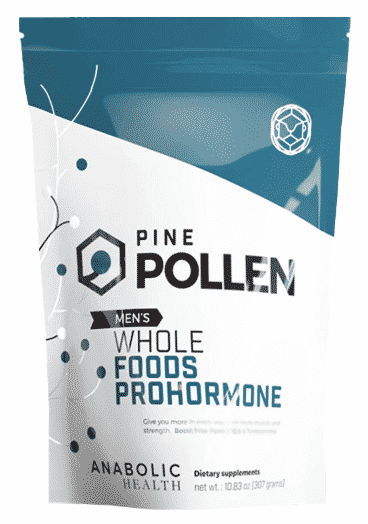
- Pine Pollen Powder — cracked-cell-wall format for bioavailability; the AH foundational format.
- Tongkat Ali (Eurycoma longifolia) — testosterone substrate herb with substantially stronger T evidence than pine pollen.
- Butea Superba — direct DHT and erection-quality support.
- Ashwagandha — cortisol modulation; the Wankhede 2015 T+strength data.
- Anabolic Octane (D-K-A-E) — foundational T-supportive cofactors.
Frequently Asked Questions
Q: How much pine pollen should I take per day?
A: 1–3 grams per day (roughly 1 tablespoon of powder, or 1–3 dropperfuls of tincture) is the typical maintenance dose. For the androgenic/T-supportive use case, some users go up to 5–10 g/day short-term — not a daily long-term dose. Cracked-cell-wall powder is required for absorption (intact cell wall blocks digestion). Take with cool/room-temp food or beverage; heat degrades the active compounds.
Q: Does pine pollen really raise testosterone?
A: Pine pollen does contain trace amounts of testosterone, DHEA, androstenedione, and androsterone — it’s the only known plant source of human-bioidentical androgens. However: the absorbed dose at 1–3 g/day is in the microgram range, far below physiological replacement doses. Tinctures (sublingual) absorb better but still deliver micro-doses. There are no published RCTs showing measurable serum T elevation in men from pine pollen at standard doses. Treat the androgen claim as theoretically interesting but not clinically meaningful at typical intake.
Q: Powder vs tincture: which is better?
A: Powder for nutritional benefits (vitamins, minerals, amino acids, antioxidants) — the broader benefit. Tincture for the androgen content specifically (sublingual absorption bypasses first-pass liver metabolism). Most regular users do a daily 1–3 g cracked-cell-wall powder routine; tinctures are an optional add-on for those targeting the androgen route. Always look for cracked-cell-wall designation on powder products.
Q: Are there safety concerns with pine pollen?
A: Generally well-tolerated. Watch for: pollen allergy (anyone with seasonal pollen reactions should test small first), pregnancy/breastfeeding (avoid due to androgen content), prostate cancer or hormone-sensitive cancer history (avoid; the trace androgens are inadvisable). Quality is critical: source from manufacturers with third-party testing for heavy metals and pesticide residues. Cracked-cell-wall designation matters for bioavailability.
Q: Pine pollen vs Tongkat Ali for T support?
A: Tongkat Ali wins decisively on evidence quality. Multiple human RCTs show measurable T elevation with Tongkat Ali at 200–400 mg/day. Pine pollen’s T case rests on theoretical arguments (it contains androgens) rather than RCT-level human evidence. For documented T-support, Tongkat Ali is the foundation; pine pollen is a nutritional adjunct that pairs well with it. Combination protocol: 200–400 mg Tongkat Ali + 1–3 g pine pollen powder daily.