Medically reviewed by Ivan Kokhno, MD — Research analysis by Alex Eriksson · Updated May 2026
Natural serotonin antagonists are compounds that bind 5-HT receptors without producing the full receptor activation that serotonin itself does — effectively dampening serotonin signalling. The pharmacology is complex because there are 14+ serotonin receptor subtypes (5-HT1A through 5-HT7) with different functional roles. Compounds with documented antagonist or partial-agonist activity at specific 5-HT receptors include: cyproheptadine (prescription antihistamine with strong 5-HT2 antagonism), St. John’s wort (mild 5-HT1A and 5-HT2 partial agonism), kava (modest 5-HT1A partial agonism), and various herbal compounds with weaker effects. Important caveat: most “natural serotonin antagonist” claims are speculative; specific receptor-binding data for natural products is largely from in-vitro studies, not human pharmacology trials.
The honest framing: selectively antagonising serotonin receptors with natural products to produce predictable effects is much harder than the marketing implies. Serotonin signalling is essential for mood, sleep, GI function, and many other systems; broad antagonism produces side effects. The men who genuinely benefit from serotonin modulation are typically those with diagnosed conditions (depression, GI disorders, post-SSRI sexual dysfunction), where prescription pharmacology is the reliable tool. For general “mood balance” and stress resilience, ashwagandha and rhodiola have stronger evidence than any natural serotonin antagonist. Below: full receptor pharmacology, the documented compounds, safety, and where this category fits in a male health stack.
Referred to as the happy chemical, serotonin (5-hydroxytryptamine) is known to contribute to overall happiness and wellbeing—so why would anyone want to take natural serotonin antagonists?
A person suffering from major depression, for example, likely has decreased serotonin levels and activity, which results in low energy, loss of interest in daily activities, and low self-esteem.
Even IBS patients tend to worry about the chemical. Constipation and low serotonin levels are linked, which is made worse by reduced serotonin sensitivity of the rectal nerves, but high levels are definitely no consolation.
Natural Serotonin Antagonists
- Of Receptors and Blockers
- Why Use Natural Serotonin Antagonists
- Taking The Natural Route
- Panax Ginseng
- Shilajit
- Vitex Agnus-Castus
- Yohimbe Bark Extract
- Aiming for True Balance
Of Receptors and Blockers
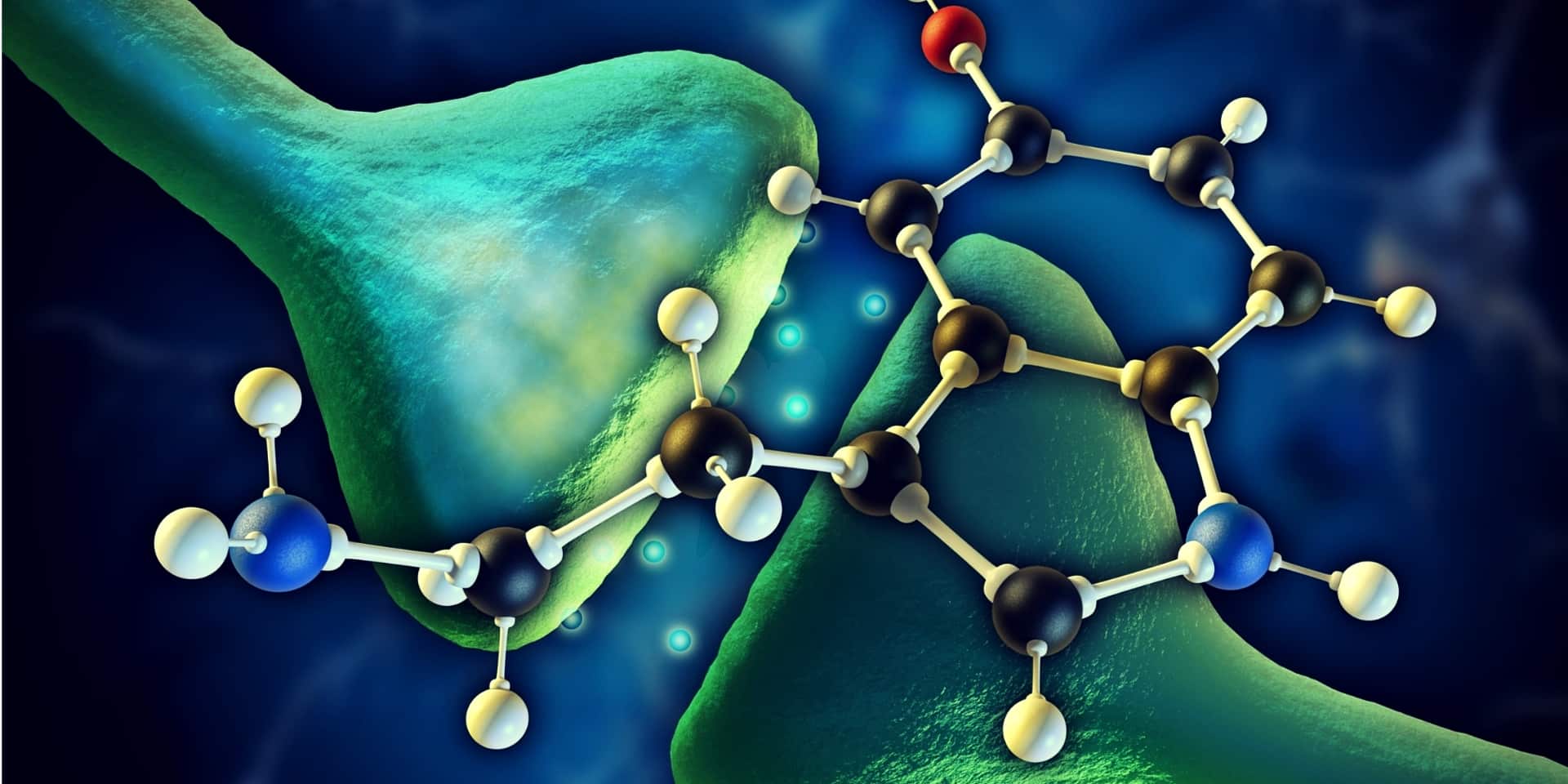
Serotonin’s main function is transmitting messages between nerve cells. It assists in smooth muscle contraction and melatonin control (meaning it’s also responsible for regulating the body’s internal clock- your circadian rhythm).
To put it simply, a neurotransmitter receptor’s function is to receive messages from a neurotransmitter and make the brain (and the neurons) process the signal.
A serotonin receptor antagonist (or simply, serotonin antagonist) works by blocking the receptor’s function and preventing the reuptake process (wherein a neurotransmitter is processed and then discarded).
Why Use Natural Serotonin Antagonists
Even though most persons associated having higher serotonin levels with being “better”, there are specific circumstances under which it is not ideal, and actually advised against.
Referred to as Serotonin Syndrome, high levels of serotonin accumulation can be dangerous to health much in the same way low levels have a spectrum of symptoms at the other end.
Conditions such as IBS, coupled with high serotonin levels can result in nervous diarrhea, whereas more innocuous symptoms may include frequent headaches, insomnia, muscle spasms or loss of co-ordination.
Occasionally, use of medications to treat depression, the SSRIs (selective serotonin reuptake inhibitors) can cause accumulation of too much serotonin, lerading to symptoms resembling a Serotonin Syndrome.
It is important to optimize levels (to achieve an increase/decrease) in a safe manner under such circumstances, using the natural antagonists.
Over 95% of the body’s serotonin is produced in your gut (not your brain). This explains why stress and anxiety on your mind will impact your gut. Nervous diarrhea anyone?
Taking The Natural Route
Although there are many prescription serotonin antagonists which are effective, some patients react negatively to them, making natural options especially attractive.
If you are a man using prescription SSRIs and are experiencing symptoms resembling sexual dysfunction, these natural serotonin antagonists could be just the thing to alleviate your heavy burden:
Panax Ginseng
Considered to be a very potent serotonin antagonist, ginseng works by blocking serotonin 5-HT3 receptors and decreasing serotonin levels in the hypothalamus.
It even blocks the serotonin increase seen during exercise. Plus, it inhibits both sodium and calcium channels, meaning it lowers blood pressure and widens the blood vessels during physical activity.
Keep in mind, however, that there’s such a thing as a ginseng allergy. Despite being rare, this allergy could prove to be fatal, especially if large amounts of the supplement have been ingested.
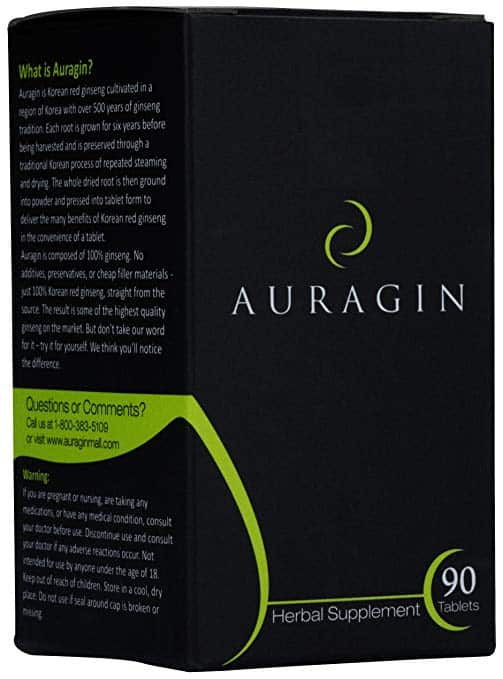
Auragin Authentic Korean Red Ginseng
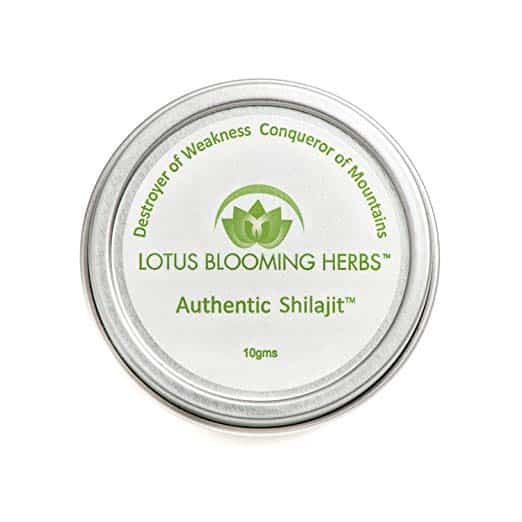
Authentic Shilajit
Shilajit
Like the other supplements on this list, shilajit exhibits serotonin antagonism in the brain. It also helps boost acetylcholine levels in the brain, which self-sustain further serotonin antagonism!
Taking shilajit can lower both blood sugar and cholesterol levels, making it an excellent choice if you’re aiming to improve your overall health. And by the way, it has anti-oxidative properties, too.
The challenge in taking shilajit though, is finding a product that’s properly processed and kept pure. You should look for something that’s guaranteed free of heavy metals.
Vitex Agnus-Castus
Aside from working as a natural serotonin antagonist, Vitex prevents prolactin from reaching excessive amounts. Note that when you have too much prolactin, your testosterone will surely suffer.
High levels of prolactin can cause problems with both libido and erection—which shouldn’t be surprising given that it’s typically associated with breastfeeding.
Unfortunately, Vitex does exhibit estrogenic activity, limiting its benefits for men with hormonal issues. Nonetheless, it works well with other serotonin and prolactin inhibitors at least over the short term.
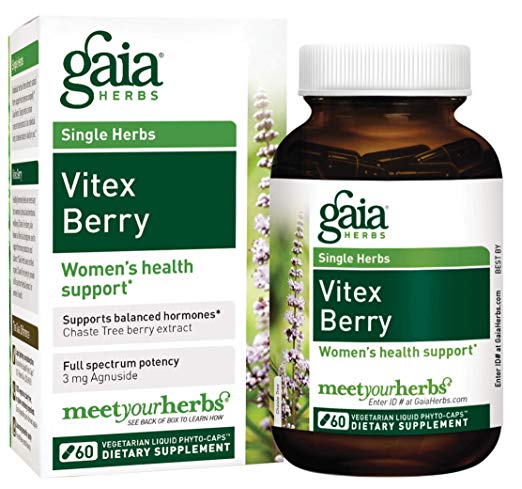
Gaia Herbs Vitex Berry Vegan
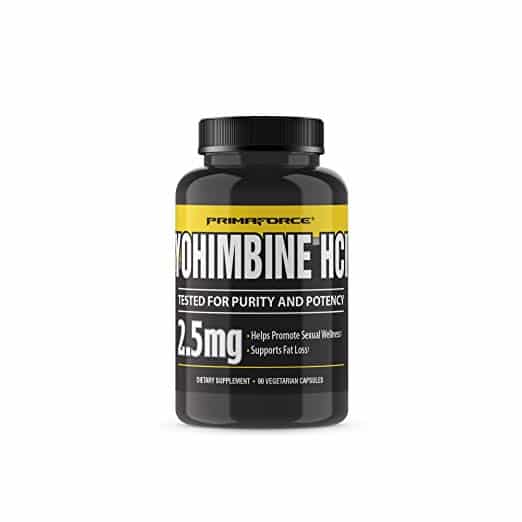
PrimaForce Yohimbine
Yohimbe Bark Extract
Despite being most commonly used as a sexual stimulant, yohimbe is a potent serotonin antagonist. It’s more than capable of helping optimize serotonin levels.
In addition, if you’re looking to lose weight, this supplement might prove to be quite useful as it blocks alpha-2 receptors. This helps keeps catecholamines unbound, which in turn enhances the process of lipolysis.
Be careful about combining this with caffeine, however, as studies have identified potential dangers on the cardiovascular system when these two are present in the body.
Aiming for True Balance
Although these natural supplements can be bought without prescription and are generally safer than prescription drugs, you should still consult your doctor before taking any of them.
You should do the same even if you’re merely thinking of taking tryptophan—the amino acid that plays a key role in serotonin synthesis. After all, tryptophan side effects do exist.
As with anything else in this life, there’s always a need for moderation, which in most cases means nothing in excess (yes serotonin, we’re talking about you). Aiming to increase serotonin levels deliberately will lead to development of a Serotonin syndrome, and do no favors for your health.
Where Natural Serotonin Modulators Fit (And Don’t)
Serotonin antagonism via natural products is a pharmacologically tricky goal. Better-defined approaches:
- For mood support / depression-related symptoms: St. John’s wort (with major SSRI/MAOI interaction caveats) has the strongest natural evidence; for moderate-to-severe depression, prescription SSRIs and CBT have far better outcomes.
- For anxiety: ashwagandha (cortisol reduction), L-theanine (GABA modulation), and CBD have better evidence than serotonin-antagonist herbs.
- For post-SSRI sexual dysfunction (PSSD): a discrete pharmacologically-driven goal where some men have used natural compounds with mixed success. Cyproheptadine (prescription) has the most clinical use here. For natural approaches, Tongkat Ali may help via testosterone/dopaminergic mechanisms separate from direct serotonin modulation.
- Foundation for mood/stress resilience: Ashwagandha 600 mg/day KSM-66 (Wankhede 2015 + Lopresti 2019 evidence).
- Substrate / hormonal foundation: Tongkat Ali 200–400 mg/day.
- Direct DHT: Butea Superba.
For deeper protocols, see ashwagandha and testosterone, how to use CBD oil for anxiety, CBD and testosterone, herbal aphrodisiacs, best supplements for men over 40, and how to increase libido in men.
The AH Stack-Friendly SKUs
- Ashwagandha — better mood/anxiety/stress evidence than any natural serotonin antagonist.
- Tongkat Ali (Eurycoma longifolia) — testosterone substrate with possible mood-supportive effects via T pathway.
- Butea Superba — direct DHT and erection-quality support.
- Anabolic Octane (D-K-A-E) — vitamin D status correlates with mood/serotonin.
Frequently Asked Questions
Q: Why would someone want to lower serotonin?
A: Specific clinical scenarios: post-SSRI sexual dysfunction (PSSD), serotonin syndrome (medical emergency, rare), some forms of GI disorder (carcinoid syndrome). For most healthy men, lowering serotonin is not a goal — serotonin supports mood, sleep, GI function, and many other systems. The “lower serotonin to improve mood” framing seen in some online communities is a misunderstanding of receptor pharmacology; SSRIs work by raising serotonin signal at certain receptors, not lowering it.
Q: Are there safe natural serotonin antagonists?
A: “Safe” depends on goal. Pure receptor-specific natural antagonists with clean side-effect profiles are rare; most natural products have broad mixed activity at multiple receptors. For mood/anxiety applications, the better-evidenced natural compounds (ashwagandha, L-theanine, CBD) work through different mechanisms than direct 5-HT antagonism — and they have better safety data. Don’t pursue serotonin-antagonist supplementation without a specific defined goal.
Q: Does cyproheptadine work for post-SSRI sexual dysfunction?
A: Yes, with caveats. Cyproheptadine is a prescription antihistamine with strong 5-HT2 antagonism. Some men report restored sexual function on cyproheptadine 4–8 mg taken before sexual activity. Not a long-term solution; primarily on-demand use. Side effects: sedation, weight gain, dry mouth. For post-SSRI sexual dysfunction, work with a doctor familiar with PSSD; bupropion is also sometimes used.
Q: Can I lower serotonin naturally to improve mood?
A: Generally no — this is a misunderstanding. For most mood disorders, serotonin signal is what’s deficient, not excessive. Increasing serotonin (via SSRI, exercise, sunlight, or dietary tryptophan) supports mood. Lowering serotonin in healthy men typically worsens mood, sleep, and GI function. The exception: men with diagnosed conditions like obsessive thinking patterns where targeted modulation may help under medical supervision.
Q: Is St. John’s wort a serotonin antagonist?
A: No — it’s actually closer to a serotonin agonist (mild 5-HT1A and 5-HT2 partial agonism plus serotonin reuptake inhibition). St. John’s wort has clinical evidence for mild-to-moderate depression but interacts dramatically with many medications (SSRIs, MAOIs, birth control pills, anticoagulants, immunosuppressants, statins, HIV medications) via CYP3A4 induction. Discuss with prescriber before starting.