
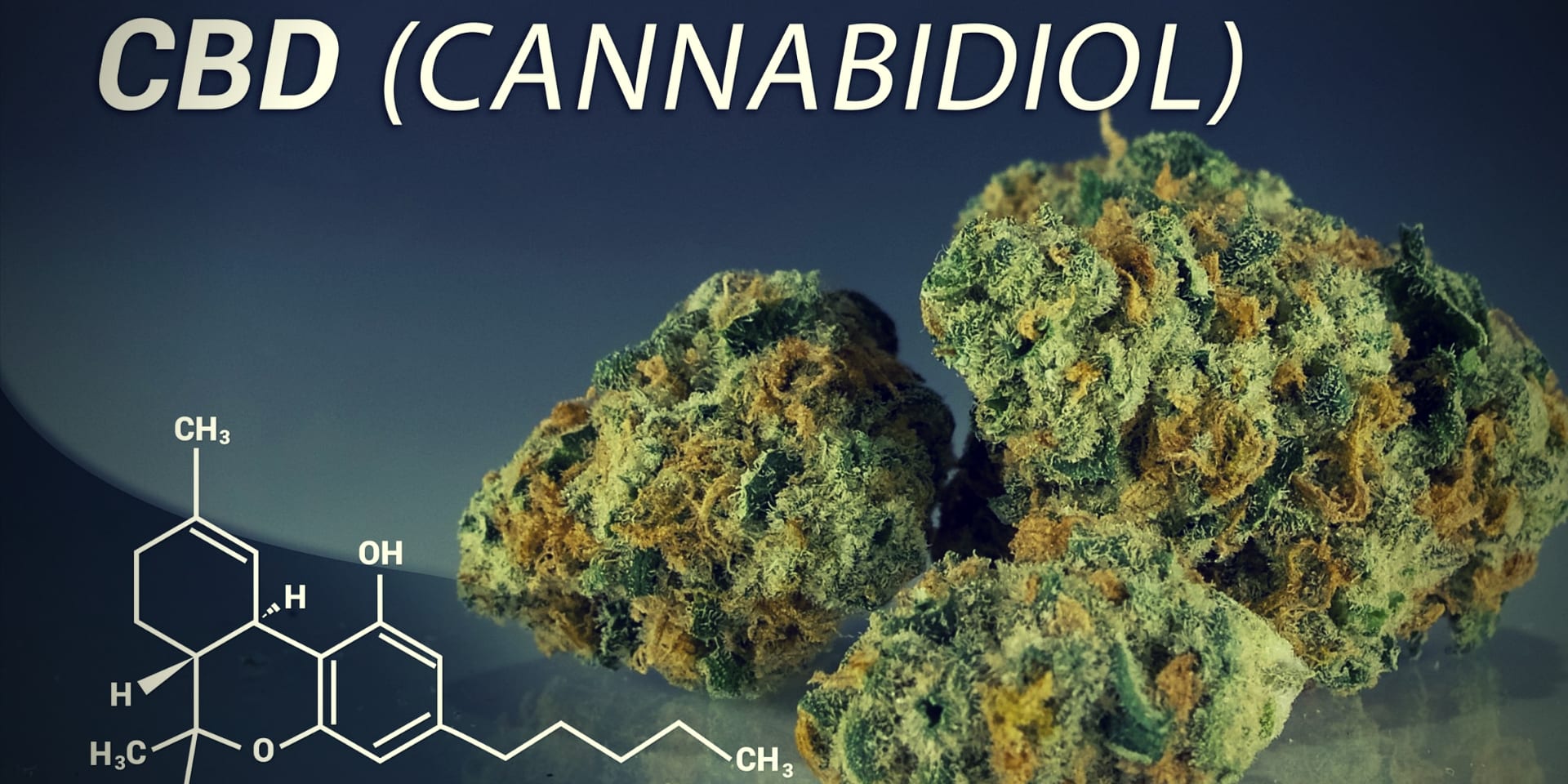
Medically reviewed by Ivan Kokhno, MD — Research analysis by Alex Eriksson · Updated May 2026
The CBD oil for weight loss evidence is much weaker than the marketing implies. Animal studies show CBD has some effect on browning of white adipose tissue and modest metabolic effects. Human trials specifically testing CBD for weight loss are limited. The 2018 Bielawiec review of CBD-and-metabolism literature concluded the evidence is preliminary at best. The realistic mechanism by which CBD might support weight loss is indirect: better sleep (CBD improves sleep quality in some users), reduced anxiety (CBD reduces anxiety-driven eating), and possibly modest appetite modulation. Standard dose: 25–75 mg/day; expect minimal direct weight-loss effect.
The honest framing: CBD is not a weight-loss tool. The evidence-supported foundational interventions for weight loss are caloric deficit, resistance training, protein 1.6–2.2 g/kg, sleep 7–9 hours, and stress management. CBD might modestly support some of these (especially sleep and stress), but it doesn’t “burn fat” or replace dietary deficit. For men using CBD for anxiety/sleep with weight loss as a possible side benefit: reasonable. For men hoping CBD will cause weight loss without lifestyle changes: it won’t. Below: full mechanism, the limited human evidence, dosing, and where CBD fits.
Who would have thought that something that many people use to relax could be used to boost performance? Marijuana has so many astounding health benefits that professional athletes including those from the UFC are now turning to weed as a potent training tool. We’re not staying that you should buy weed though. Here’s what we’re saying: You can get the health benefits of marijuana without smoking it, by taking CBD oil. This article will explain how to use CBD oil for weight loss and athletic performance.
Cannabinoids for Weight Loss and Athletic Performance
- CBD Oil vs. THC
- CBD Oil Helps Manage Stress
- CBD Promotes Post-Workout Recovery
- CBD Oil for Weight Loss
- CBD Suppresses Inflammation
- The One Problem You Have to Deal With: Absorption
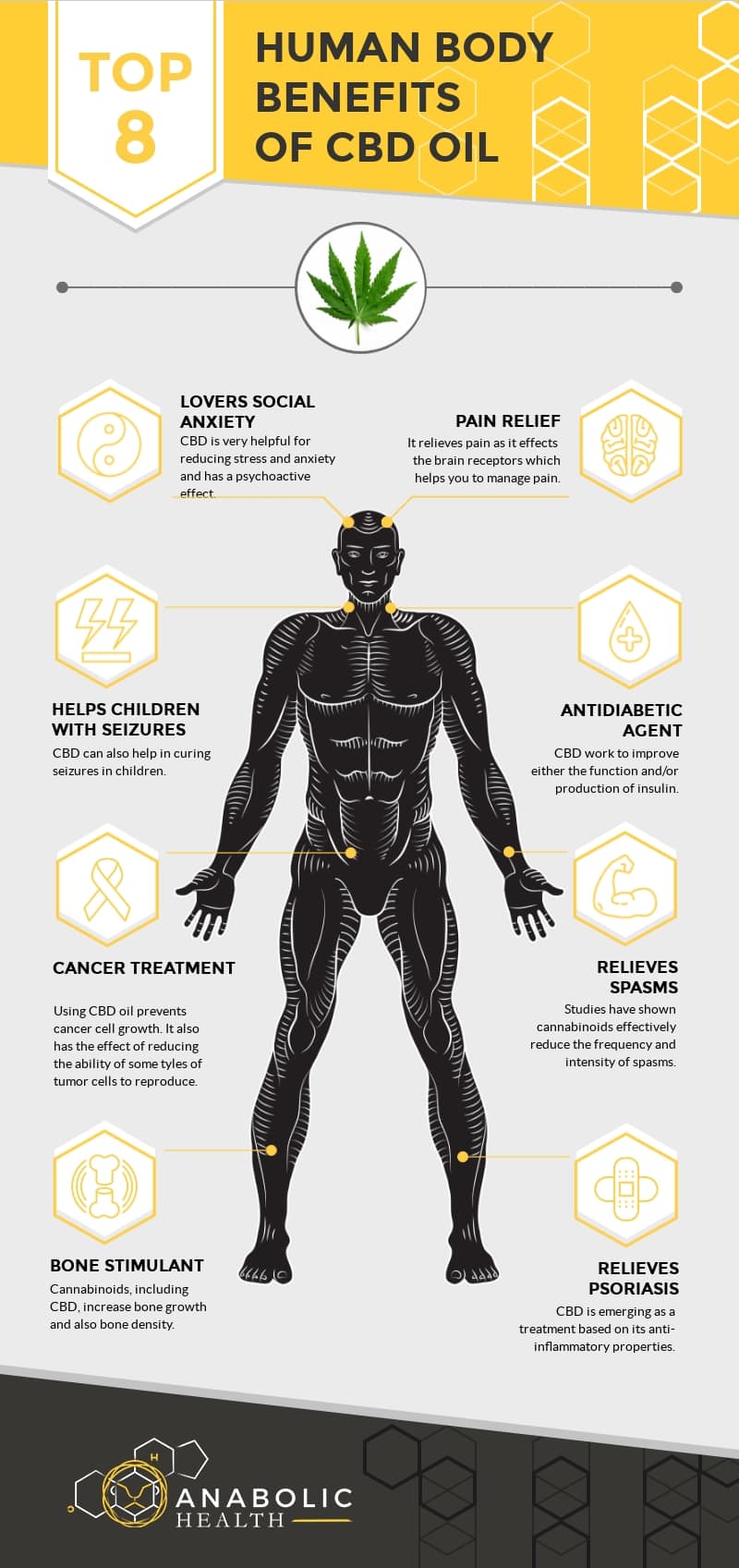
CBD Oil vs. THC
Marijuana contains different kinds of cannabinoids such as THC and cannabidiol. THC is the substance that causes the psycho-active effects. It’s what makes you high.
Cannabidiol, on the other hand, is beneficial for a person’s mental and physical health. It is taken to help with anxiety disorders, epilepsy, Parkinson’s disease, multiple sclerosis, and even schizophrenia. It doesn’t make you high.
Cannabidiol extracts are sold in the market in the form of CBD oil which is legal in many states (the situations in which it isn’t legal is a topic for a whole other discussion).

CBD Oil Helps Manage Stress
Stress kills your motivation to exercise. It also impairs concentration and motor coordination. That’s why training while stressed can be a bad idea.
According to the results of a study published in the Journal of Neuroscience, exposure to stress can affect the way your cerebellum processes information. Cerebellum is the same area responsible for motor control.
CBD oil has amazing benefits for stress management. People who take weed for performance enhancement will have to put up with the THC content. THC can cause anxiety and trigger the release of cortisol into the blood stream as a stress response. CBD Oil has the opposite effect – it can significantly reduce cortisol levels in the bloodstream.
CBD Promotes Post-Workout Recovery
Weight loss and bodybuilding are not easy to accomplish because not only do you have to work out hard – you also have to make sure that your body gets enough rest. This is the period in which your body starts to repair tissue and build muscle cells, so it is literally impossible to get ripped if you do not get enough sleep.
What makes this worse is that some athletes or bodybuilders use stimulants in order to boost performance, which makes it more difficult for them to sleep.
If you’re struggling with getting restful sleep, CBD oil can be beneficial. It doesn’t work as a sedative so don’t expect to get conked out after taking it. When taken in very small amounts, CBD can act the way that caffeine does, stimulating daytime alertness and preventing sleep. But when normal doses are taken (moderate to high), it can have therapeutic benefits, including restful sleep.
CBD interacts with various receptors and chemicals in the brain, and can help the body with various functions including sleep-wake cycles. It can also help manage anxiety, which is one of the reasons behind sleep problems.
So if you are training because you want to lose weight but you find it difficult to cut down on food, or if you experience cravings far too often, it’s worth trying CBD.
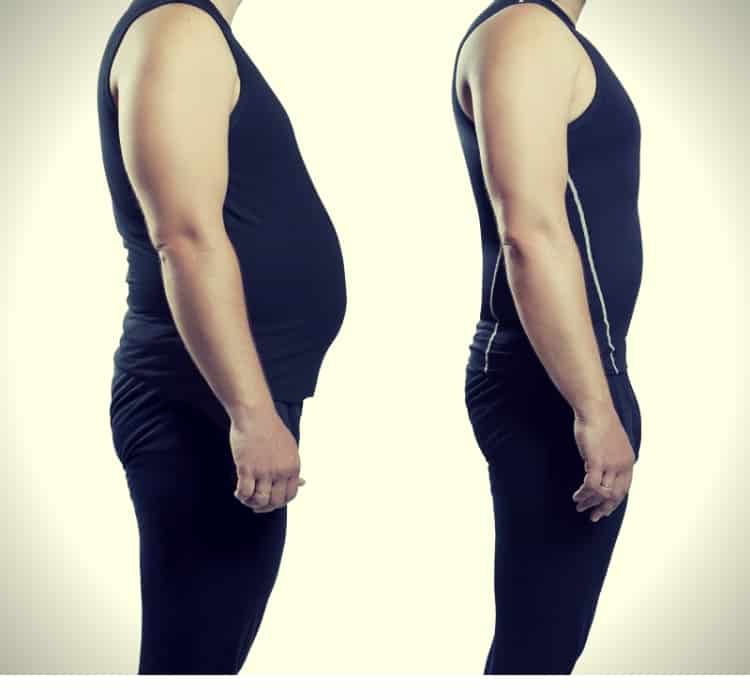
CBD Oil for Weight Loss
CBD works in two ways to help with weight management – appetite suppression and insulin sensitivity.
Ironically, CBD has the opposite effect of high-THC weed. You won’t be getting the munchies when you take some. Some studies show that it even has the opposite effect – it can help suppress your appetite.
Yet another benefit of CBD oil for weight loss is that it promotes insulin sensitivity. The way your body responds to insulin is a crucial aspect of metabolism. Even if you work out a lot and you try to cut down on your diet, you might still have a hard time burning fat if you have poor insulin sensitivity.
Insulin is the hormone that regulates energy usage. It’s what triggers the process that ultimately gets your cells to accept glucose (which is taken from the carbs you eat) and use it for energy.
Ideally, your insulin levels should be low most of the time. When you’ve eaten a large meal, that’s the time your body produces insulin. This way, your cells could be instructed to use up what you’ve eaten for energy, or to store it.
People with high insulin sensitivity have body chemistry that encourages the body to store excess glucose in the muscles or the liver as glycogen so that it’s ready when needed. Those with low insulin sensitivity tend to just store excess glucose in fat cells.
What’s worse is that people with low sensitivity also tend to have problems with working out because they have low energy — the glucose is not efficiently delivered into muscle cells and is instead stored as fat.
CBD intake is associated with low insulin levels. So if you’ve hit the infamous weight loss plateau, it might be high-time to try CBD oil.
CBD Suppresses Inflammation
If you’re working out, your body will be locked in a battle against inflammation. Inflammation is just part of how the body responds to injury. It’s your immune system’s way of defending itself against harm, and inflammation is part of the healing process.
When you train to build muscles, to lose weight, or to boost athletic performance, many parts of your body will experience trauma at a cellular level. In fact, weight lifting is the best way to build muscles because it causes tiny tears in the muscle fibers which the body proceeds to repair, resulting to the development of bigger and better muscles.
Inflammation, however, is what causes so many chronic diseases. It also shortens our lifespan. CBD can help with this because it helps remove inflammation caused by wear and tear injury (which is the kind of injury that you experience when working out).
With CBD, you can recover more comfortably, and you can train for longer periods.
The One Problem You Have to Deal With: Absorption
The problem with CBD oil is that it has terrible absorbability. What you can do to enhance absorption is to add black pepper and turmeric to your diet. There is so much food that tastes better when you add those spices but admittedly, it can get tiring. You can also just look for supplements that already contain those two substances.
For the longest time, marijuana had this reputation as something that only slackers use, but the truth is, it contains substances that have benefits for your mental and physical wellbeing. And today, you don’t even have to smoke weed just to get the benefits.
It’s not illegal to buy and use CBD oil in many states, but be sure to source it from those that are known to provide high quality CBD extracts.
What Actually Drives Weight Loss (And Where CBD Fits)
For meaningful, sustained weight loss, the foundational levers are well-known and unchanged by CBD:
- Caloric deficit: 300–500 calories/day below maintenance for sustainable fat loss (~0.5–1 lb/week). Faster than that risks muscle loss and metabolic adaptation.
- Protein: 1.6–2.2 g/kg/day to preserve lean mass during deficit. Pair with resistance training.
- Resistance training 3–5x weekly: preserves muscle during deficit; the difference between “weight loss” and “fat loss with muscle preserved.”
- Sleep 7–9 hours: sleep deprivation drives leptin/ghrelin disruption, increased hunger, reduced satiety, and metabolic slowdown.
- Stress management: chronic cortisol elevation drives visceral fat accumulation and emotional eating. Ashwagandha 600 mg/day KSM-66 has the best human evidence for cortisol reduction.
- CBD as adjunct (limited role): 25–75 mg/day if it improves sleep and stress for you specifically. Don’t expect direct weight-loss effect.
The AH Stack-Friendly SKUs
- Ashwagandha — cortisol reduction with substantially better human evidence than CBD; the Wankhede 2015 + Lopresti 2019 data.
- Tongkat Ali (Eurycoma longifolia) — testosterone substrate herb; supports lean mass preservation during deficit.
- Butea Superba — direct DHT and erection-quality support.
- Anabolic Octane (D-K-A-E) — vitamin D status correlates with body composition; foundational cofactor support.
For deeper protocols, see how to use CBD oil for anxiety, CBD and testosterone, best CBD vape oils, ashwagandha and testosterone, building muscle after 40, and best supplements for men over 40.
Frequently Asked Questions
Q: Does CBD oil really help with weight loss?
A: Direct effect: minimal. The 2018 Bielawiec review of CBD-and-metabolism evidence concluded data is preliminary. Animal studies suggest some browning of white adipose tissue and modest metabolic effects, but human translation is unclear. Indirect effects (better sleep, reduced anxiety, less stress eating) may help some users. CBD is not a fat-burner; it’s an adjunct to foundational diet/training/sleep.
Q: What CBD dose for weight loss?
A: There’s no specifically-studied CBD-for-weight-loss dose. Following anxiety/sleep dosing (25–75 mg/day sublingual) is reasonable if your goal is the indirect benefits. Higher doses don’t have stronger weight-loss evidence; they just have more side effects and drug-interaction potential.
Q: Will CBD make me lose weight without dieting?
A: No. There’s no mechanism by which CBD bypasses caloric balance for weight loss. Marketing claims promising rapid weight loss from CBD without dietary changes are not supported by evidence. The most CBD might do is modestly support sleep, stress, and possibly appetite regulation — all of which can make a caloric deficit easier to maintain, but don’t replace it.
Q: Does CBD increase or decrease appetite?
A: Mixed. Pure CBD typically has minimal direct appetite effect — unlike THC, which reliably increases appetite (“the munchies”). Some CBD users report mild appetite suppression, others mild increase, most no change. Effect is small enough that it’s not a reliable weight-management tool either way.
Q: CBD vs other weight-loss supplements?
A: Most weight-loss supplements have weak evidence at best. CBD, like most natural weight-loss supplements, isn’t a magic intervention. The evidence-supported pharmacotherapy for obesity (semaglutide, liraglutide, tirzepatide) produces dramatically larger effects than any natural supplement. For meaningful weight loss without medication, foundational lifestyle is the answer; CBD is at best a small supportive layer.