Medically reviewed by Ivan Kokhno, MD — Research analysis by Alex Eriksson · Updated May 2026
The most evidence-supported foods that improve blood circulation in legs are: (1) beets and beet juice (dietary nitrate → nitric oxide); (2) watermelon (citrulline, the precursor to L-arginine and NO); (3) dark leafy greens (spinach, kale, arugula — nitrate-rich); (4) oily fish (omega-3 EPA/DHA for endothelial function); (5) berries (anthocyanins for vascular antioxidant support); (6) citrus fruits (vitamin C, hesperidin, naringenin); (7) nuts, especially walnuts (omega-3 ALA, vitamin E, l-arginine); (8) garlic and onions (sulfur compounds, quercetin); (9) cocoa flavanols; (10) green tea (catechins for endothelial protection). Eat across the day rather than concentrating into one meal.
The bigger picture: the Mediterranean dietary pattern as a whole produces the largest documented improvements in vascular function in long-term studies. Individual “circulation foods” matter, but consistent overall dietary pattern matters more. Combine with daily walking, calf-pump activation, and adequate hydration for compounded effect on leg circulation specifically. Below: full food breakdown, the mechanism for each, and how to think about food choices for sustained vascular health.
Poor circulation may be caused by peripheral artery disease (PAD). But that is not the only reason why people are interested in foods that improve blood circulation in legs.
Foods that Improve Blood Circulation in Legs
- Potential Causes of Poor Blood Circulation
- Foods That Help Improve Blood Circulation
- 1. Ginger
- 2. Berries
- 3. Tomatoes
- 4. Walnuts
- 5. Citrus Fruits
- 6. Spinach and Other Leafy Greens
- 7. Turmeric
- 8. Beets and Beet Juice
- 9. Fatty Fish
- 10. Garlic
- 11. Cinnamon
- 12. Onions
- 13. Pomegranate
- 14. Cayenne Pepper
- 15. Grapes
- Lifestyle Changes
Potential Causes of Poor Blood Circulation
There are other things that may also contribute to the narrowing of arteries and blood vessels in the lower regions of the body. Apart from that, some people just want to get rid of horrendous-looking varicose veins, which affect 20% of adults by the way.
Other conditions and bad habits may impede blood flow in various parts of the body. Some of these contributing factors include Raynaud’s disease, smoking, obesity, diabetes, among others.
Foods That Help Improve Blood Circulation
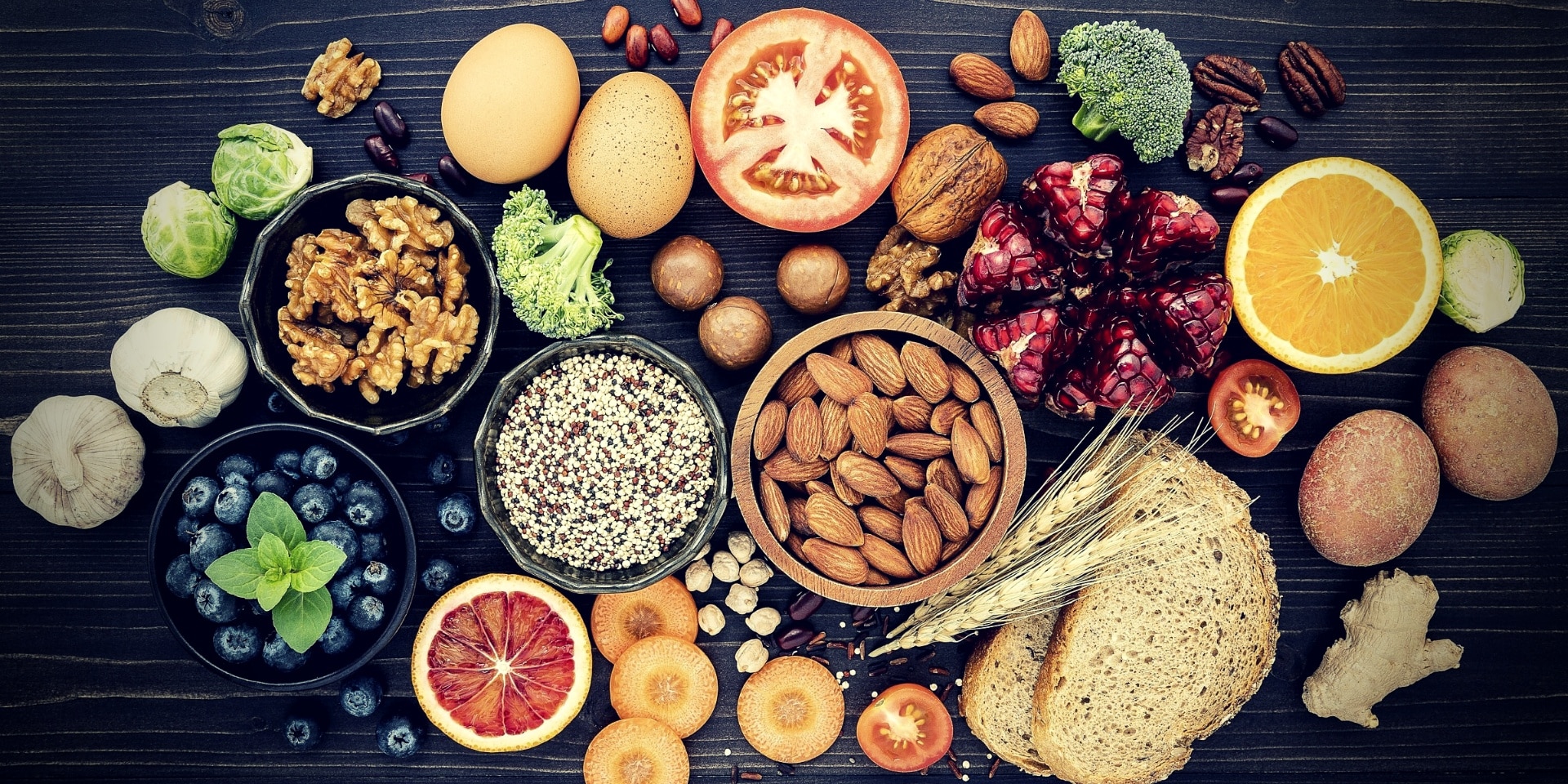
Getting good blood circulation is essential for overall health and not just in the legs. The following is a list of the best foods that improve blood circulation in legs that you can add to your grocery list.
1. Ginger
Ginger is a staple in traditional, herbal, and alternative medicine. Studies have shown that the extracts from this root may help improve blood circulation by lowering blood pressure.
According to a 2017 medical review, experts confirm that ginger extracts has a hypotensive mechanism. It may be used as a natural alternative to conventional anti-hypertensive medications.
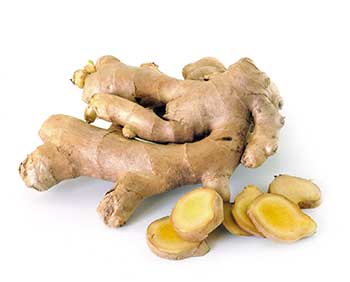
In another study, researchers suggest that taking 2 to 4 grams of ginger extract per day can lower one’s risk for developing hypertension. Researchers see its effects as being somewhat similar to ACE inhibitors.
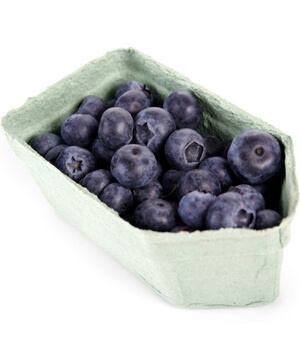
2. Berries
A lot of people like munching on berries. They’re a well-known healthy snack that can satisfy a sweet tooth really fast.
One of the biggest benefits that we can get from berries is its antioxidant effects. This effect also has a positive impact on proper blood flow to the legs and the rest of the body.
When it comes to blood flow, berries have a lot of positive effects on the body, such as the following:
- Improves artery dilation which reduces the constriction in the blood vessels
- Reduces inflammatory markers in the blood
- Lowers platelet aggregation
- Reduces heart rate
- Lowers blood pressure
Add a cup of berries to your daily meals so you can harness its benefits. Just watch the sugar levels—remember that they are definitely sweet as they come.
3. Tomatoes
Tomatoes are an excellent source of lycopene. This nutrient of course comes with a lot of notable health benefits.
It can help lower the activity of the angiotensin-converting enzyme, which is responsible for constricting blood vessels. That is a great way to support vascular health, which makes it one of the best foods that improve blood circulation in legs.
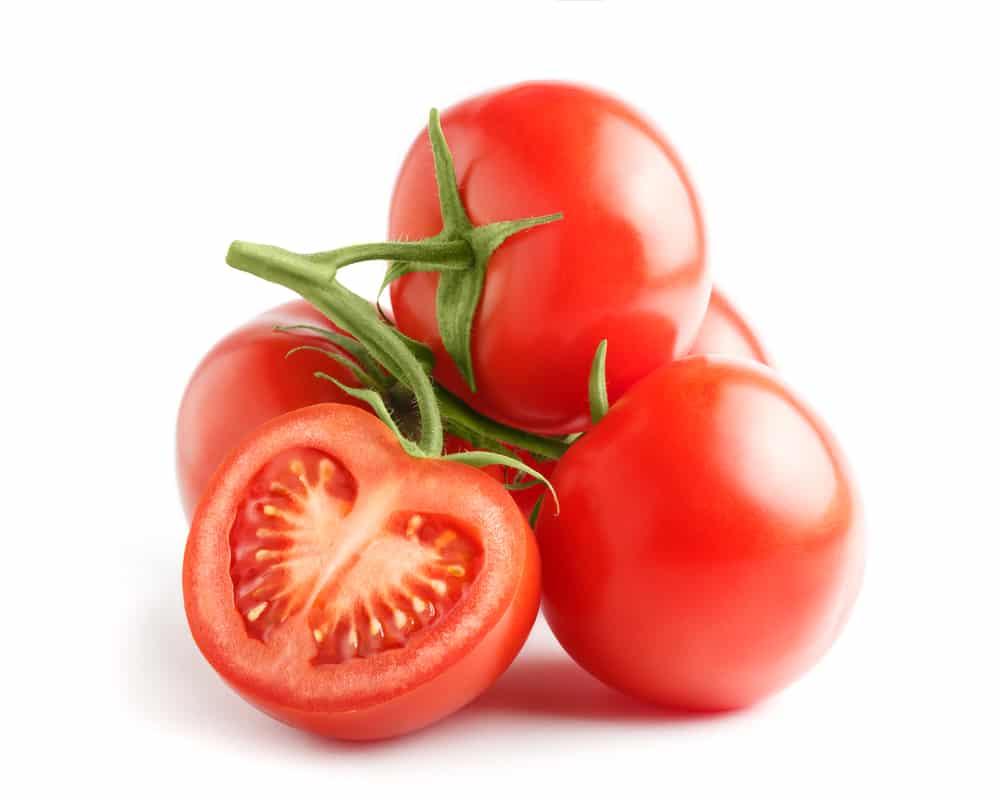
This action of the compounds in tomatoes have led medical researchers to speculate that tomatoes may be a potential natural alternative to taking ACE inhibitors—of course more studies will be required before doctors can actually prescribe that.
4. Walnuts
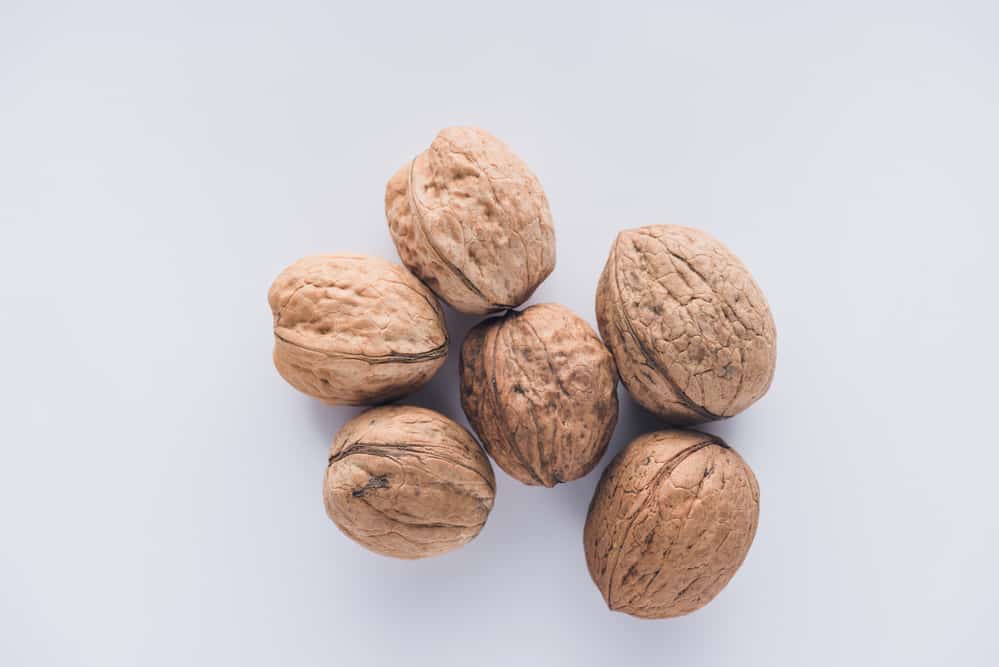
Walnuts contain a lot of beneficial compounds and nutrients, which includes the following:
- Vitamin E
- Alpha Lipoic Acid (ALA)
- L-Arginine
Note that vitamin E stimulates the production of nitric oxide. This has a number of essential benefits including the vasodilation or the widening of blood vessels.
The compounds from walnuts have been found to help decrease inflammation and it helps to lower blood pressure. It is especially helpful for people with type 2 diabetes.
5. Citrus Fruits
Grapefruit, lemons, oranges, and all kinds of citrus fruits are also excellent foods that improve blood circulation in legs. Its flavonoid and other antioxidant content are especially beneficial.
Flavonoids have been found to be helpful in reducing the stiffness of the arteries and hypertension.

6. Spinach and Other Leafy Greens
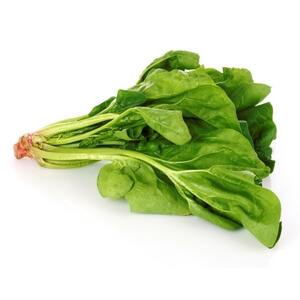
Spinach and other leafy greens are a good source of nitrates, which are in turn converted into nitric oxide. One study shows that people who eat more nitrate rich veggies have a significantly lower risk for high blood pressure and heart disease.
7. Turmeric
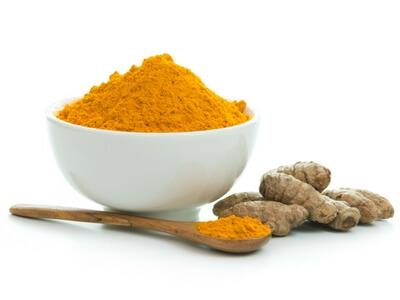
One of the essential benefits of turmeric is its ability to increase blood flow. Studies suggest that adding curcumin to one’s diet for about 3 months can increase blood flow by as much as 37%.
The curcumin content of turmeric helps to increase nitric oxide production.
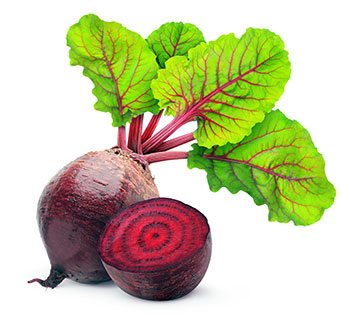
8. Beets and Beet Juice
One reason why a lot of athletes drink beet juice is because beets are also another good source of nitrates. It also promotes oxygen flow to the muscles.
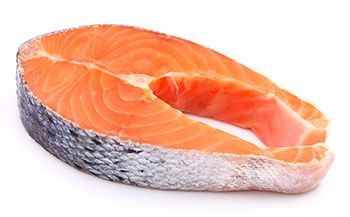
9. Fatty Fish
Fatty fish like mackerel, sardines, and salmon are great sources of omega-3s, which is a type of fatty acid. Omega-3s promote the release of nitric oxide.
Apart from that, this fatty acid can also help to prevent the formation of blood clots. It also reduces blood pressure which also helps to improve the blood flow to the legs and other parts of the body.
10. Garlic
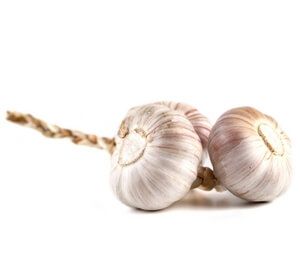
Garlic contains compounds that can help relax the blood vessels, thus increasing the blood flow. One of the main nutrients that bring this benefit is allicin.
One study suggests that taking 1200 mg of garlic supplements for 3 months may improve blood flow by 50%.
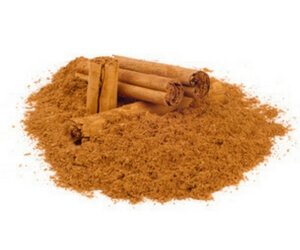
11. Cinnamon
Apart from increasing blood circulation to the legs and other parts of the body, cinnamon has been known to provide a lot of other health benefits.
For instance, it is known to help improve heart performance. It can also help bring down high blood pressure.
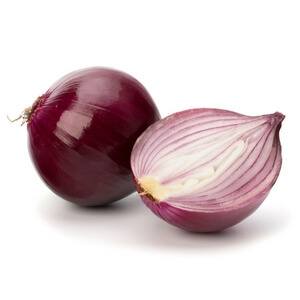
12. Onions
Onions are great sources of flavonoid antioxidants, which are great for promoting heart health. One of the ways it does that is by widening the veins and arteries.
Studies suggest that taking 4.3 grams of onion extract per day for 30 days may help to improve blood circulation and reduce high blood pressure as well.
Onions also has anti-inflammatory properties.
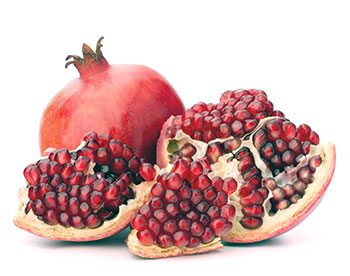
13. Pomegranate
Pomegranates are also another great source of potent vasodilators, which make them great foods that improve blood circulation in legs.
Researchers suggest that taking 1000 mg of pomegranate extract or supplements 30 minutes before your workout may increase the blood vessel diameter thereby improving blood flow.
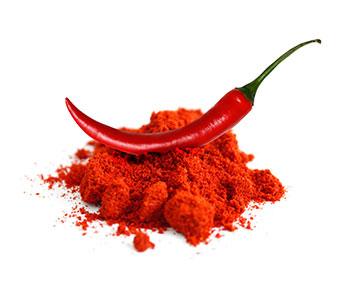
14. Cayenne Pepper
Cayenne pepper also stimulates the release of nitric oxide, the benefits of which we have already described earlier. Apart from that, cayenne pepper may also help to reduce plaque build-up in the veins and arteries.
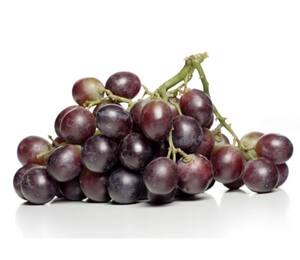
15. Grapes
Purple grapes are a great source of antioxidants and they also reduce inflammation, which helps improve blood circulation. They also contain compounds that prevent blood clot formation.
Lifestyle Changes
Apart from eating foods that help to improve blood circulation, there are lifestyle changes that can also help you achieve this goal. They may also help get rid of varicose veins.
Some of the things that you can do include:
- Wearing compression clothing
- Maintaining good posture
- Walking
- Doing cardio
- Increasing physical activity
- Elevating the legs when you lie down
- Losing weight
- Managing blood pressure
- Getting a massage
- Staying hydrated
- Do yoga
These lifestyle changes, combined with foods that improve blood circulation in legs, may help get rid of those nasty looking varicose veins and provide you with an overall holistic treatment for many health conditions.
Practical Mediterranean-Pattern Eating for Leg Circulation
Rather than chasing individual “circulation foods,” the most-studied dietary intervention is the broader Mediterranean pattern. Practical implementation:
- Daily: 4–6 servings vegetables (especially leafy greens and beets), 2–4 servings fruit (especially berries and citrus), 30–50 g nuts (walnuts ideal), olive oil as primary fat source, plenty of water (3 L).
- Weekly: 2–3 servings oily fish (salmon, sardines, mackerel) for EPA/DHA. 1–2 servings legumes/beans. Limit red meat to 1–2 times weekly.
- Spices and aromatics: garlic, onion, ginger, turmeric, rosemary — all support circulation through different pathways and add no caloric burden.
- Beverages: green tea 1–3 cups daily, espresso/coffee in moderation, beet juice or watermelon juice pre-workout if performance-focused.
- Limit: refined carbs, sugar, processed meats, trans fats, excessive alcohol — all measurably impair endothelial function.
Foods to Avoid for Leg Circulation
- High-sodium processed foods — promote leg oedema and impair vascular function.
- Trans fats — the worst dietary class for endothelial function.
- Refined sugar in excess — drives chronic inflammation and insulin resistance, both vascular damaging.
- Alcohol above 1–2 drinks/day — chronic intake damages vascular function.
- Smoking (not technically food but bears mention) — the single most damaging vascular habit.
Supplement Layers When Diet Alone Isn’t Enough
- L-citrulline 3–6 g/day — for men who can’t get adequate watermelon/beet intake.
- Beet root powder 3–6 g/day — concentrated nitrate dose.
- Pycnogenol 100–200 mg/day — documented effect on venous insufficiency.
- Black Ginger (Kaempferia parviflora) — documented natural PDE5 inhibitor.
- Vitamin K2 + D3: Anabolic Octane (D-K-A-E) for vascular calcium handling and endothelial support.
For deeper protocols, see our complete blood flow supplements guide, how to improve circulation, how to improve circulation in legs (full protocol), symptoms of poor circulation, and vitamins for circulation.
The AH Stack-Friendly SKUs
- Black Ginger (Kaempferia parviflora) — documented natural PDE5 inhibitor.
- Anabolic Octane (D-K-A-E) — vitamin K2 + D3 for vascular calcium and endothelial support.
- Tongkat Ali — testosterone substrate; circulation improvements compound when androgens are optimised.
- Butea Superba — direct DHT support; pairs with NO-pathway compounds for ED applications.
Frequently Asked Questions
Q: What’s the single best food for leg circulation?
A: Beets (or beet juice) for the dietary-nitrate / nitric-oxide pathway, with the strongest acute-effect evidence. For sustained pattern improvement, oily fish (omega-3) and dark leafy greens (nitrate + polyphenols) compete for top spot. The honest answer: no single food matters as much as overall pattern. The Mediterranean pattern as a whole has the strongest long-term evidence.
Q: How much beet juice per day for circulation?
A: 8 oz (approximately 250 ml) of pure beet juice daily provides ~6 mmol nitrate — the dose used in the strongest exercise-performance and blood-pressure trials. Effects on blood pressure peak at 2–3 hours post-consumption. For sustained improvement, daily intake matters more than acute dose. Concentrated beet root powder (3–6 g/day) provides a similar nitrate dose with less sugar.
Q: Do bananas improve leg circulation?
A: Indirectly, via potassium content (helps blood pressure regulation). Not as directly nitrate-rich as leafy greens or beets, but a useful potassium source. The Dietary Approaches to Stop Hypertension (DASH) trial showed potassium-rich foods (bananas, potatoes, citrus) reduce blood pressure measurably. Bananas are a modest contributor; other foods on this list have larger direct circulation effects.
Q: Can drinking water improve leg circulation?
A: Yes. Mild dehydration measurably reduces vascular function within hours. Adequate hydration (around 3 L daily for most adult men) supports plasma volume and reduces blood viscosity. Adding hydration alone won’t reverse circulation problems, but inadequate hydration is a real and avoidable contributor to leg fatigue, swelling, and exercise intolerance. Limit caffeinated beverages to 2–3 cups/day and supplement with plain water.
Q: How long until dietary changes improve leg circulation?
A: Acute effects (post-meal vasodilation from nitrate-rich foods) appear within 60–90 minutes. Sustained-pattern improvements in baseline endothelial function take 4–8 weeks of consistent dietary change. Cardiovascular markers (blood pressure, exercise tolerance, leg swelling reduction) typically shift at 8–12 weeks. The compounding effect of consistent Mediterranean pattern accumulates over years — long-term studies show progressively better outcomes the longer the pattern is sustained.