
Medically reviewed by Ivan Kokhno, MD — Research analysis by Alex Eriksson · Updated May 2026
Cascara coffee is a brewed beverage made from the dried husk (pulp/skin) of the coffee cherry — the fruit surrounding the coffee bean. Compared to brewed coffee from beans, cascara delivers roughly 25–50 mg caffeine per 8 oz cup (about a quarter to a third of standard drip coffee) plus a different polyphenol profile dominated by chlorogenic acid, gallic acid, rutin, and protocatechuic acid. Standard hot brew: 2 tbsp (5–7 g) cascara per 8 oz freshly boiled water, French-pressed for 4–8 minutes. Cold brew: 6 tbsp per 10 oz cold water, refrigerated 24 hours.
The honest framing: cascara is a pleasant, lower-caffeine, fruit-flavoured alternative to coffee with a meaningful antioxidant load — but it is not a testosterone tonic, fat-burner, or performance supplement. Effects are general (cardiovascular, metabolic, anti-inflammatory) rather than hormone-specific. For male health and T-supportive stacks, cascara is a beverage choice, not a cornerstone supplement. Below: full breakdown of the four polyphenols, hot vs cold brew protocols, traditional Yemeni Qishr and Bolivian Sultana recipes, and where cascara fits relative to evidence-based T-support compounds.
The coffee scene has introduced another drink derived from the coffee cherry fruit. This drink is cascara coffee.
Although new in coffee shops, it has been drank traditionally in various coffee farming communities all over the world. Read on and find out if you might drink this as your daily caffeine beverage.
Cascara Coffee
- What Is Cascara Coffee?
- Cascara Coffee Benefits
- Contains a Good Amount of Antioxidants
- Naturally Promotes Your Energy
- Boosts Mental Clarity and Health
- Does Not Need Sugar (It’s already sweet!)
- How to Brew Cascara Coffee
- Hot Cascara Coffee
- Cold Cascara Coffee
- Traditional Ways to Brew Cascara
- Qishr
- Sultana
What Is Cascara Coffee?
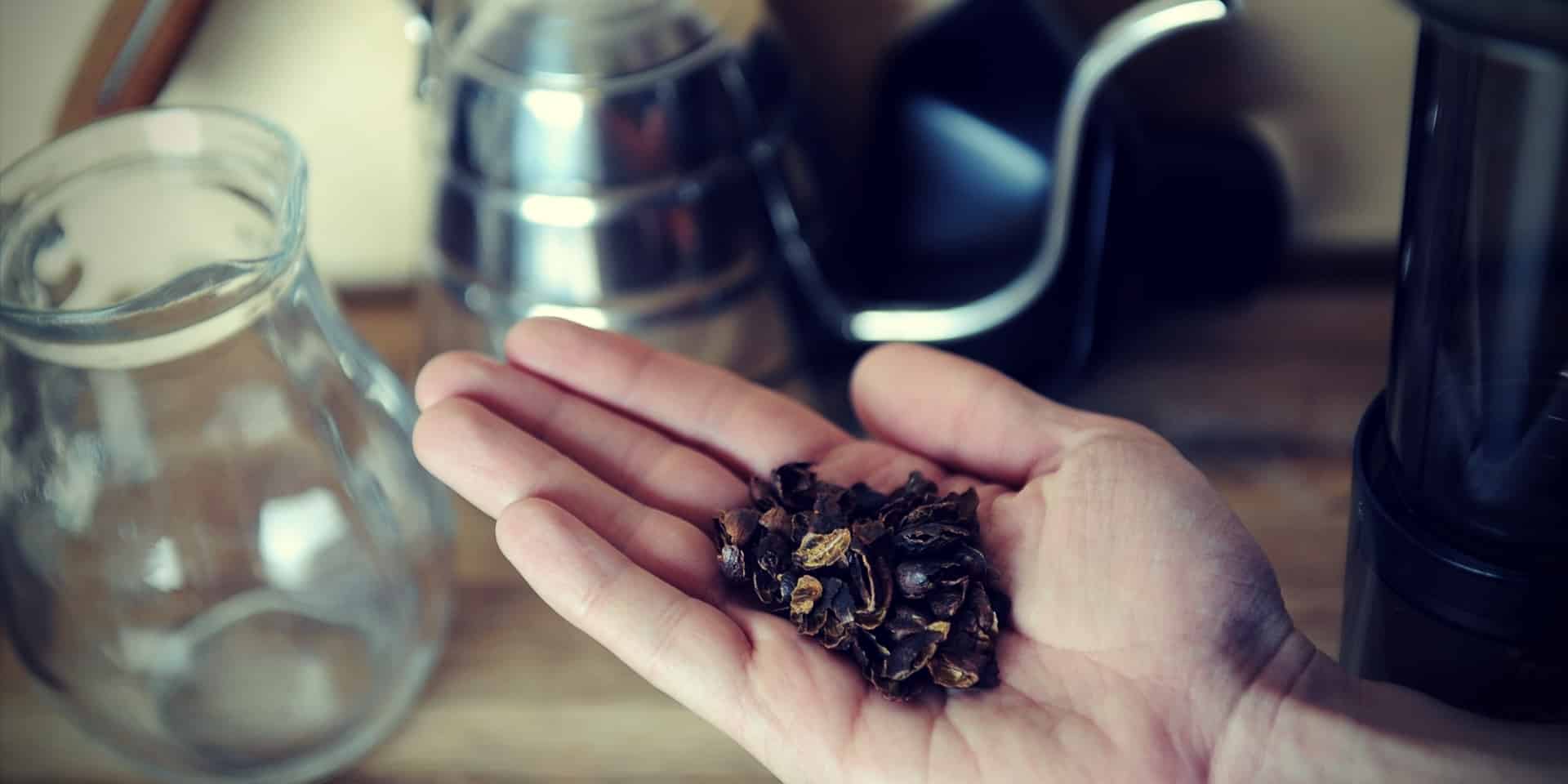
Cascara coffee, also known as cascara cherry tea, is a beverage derived from the same fruit that coffee beans come from. The beverage is usually served hot and has a warm and nutty tone closely similar to that of caramel. It contains about a quarter of the average caffeine levels found in coffee beans.
The term “cascara” literally means husk or peel in Spanish. This is due to cascara being considered as a by-product of taking out coffee beans from the fruit of coffee plants.
Coffee farmers originally threw it away or used it as compost. The movement of environmentalism influenced some coffee farmers and processors to find a use for it and this started the use for it in making cascara coffee.
It is red or purple in color when picked from ripe coffee cherries and has a dark brown color when dried for brewing.
Do not confuse cascara with cascara sagrada. Cascara sagrada is a species of the buckhorn tree. Native Americans used its bark as a laxative in their traditional medicine.
Cascara Coffee Benefits
Contains a Good Amount of Antioxidants
The pulp of coffee cherry contains the polyphenols chlorogenic acid, gallic acid, rutin, and protocatechuic acid.
- Chlorogenic Acid: It can slightly lower the blood pressure and alleviate inflammation in the body. It can also reduce sharp increases in blood sugar and, consequently, insulin due to its mechanism of inhibiting carbohydrate breakdown.
- Gallic Acid: It stops the transmission of main tumors to other cells and tissues. It also induces the death of cells already infected by the tumor.
- Rutin: It aids in the production of collagen and usage of Vitamin C in your body. In effect, it can help in maintaining strong and flexible blood vessels and preventing the formation of blood clots in them. It can also lower LDL cholesterol and reduce pain from rheumatoid arthritis.
- Protocatechuic Acid: It can reduce the risk of cancer, diabetes, and various brain and cardiovascular diseases. This is due to its ability to reduce and prevent inflammation in the different cells and organs of the body.
Naturally Promotes Your Energy
Cascara coffee provides a middle ground in terms of caffeine content compared to coffee and tea. It has a similar caffeine structure to coffee since the two comes from the same coffee cherry. But, the one from the plant’s husk provides a significantly lower caffeine content.
It also provides a fruity and sweeter taste for those who do not prefer the acidic profile of coffee. But, unlike most teas, it has a higher caffeine content which would give them the energy boost they need.
Because of these, cascara coffee can be an option for those needing their caffeine but would rather not crash after a sugar high or be kept up all night.
Boosts Mental Clarity and Health
Cascara coffee increases the levels of BNDF in the blood by a significant amount. BNDF, or brain-derived neurotrophic factor, is a protein that promotes the survival of existing neurons, and the growth and differentiation of new synapses and neurons. BNDF is highly active in the parts of the brain responsible for learning, higher thinking, and memory.
Does Not Need Sugar (It’s already sweet!)
Cascara coffee has a sweet and fruity taste profile. Because of this, you can skip the sugar and still enjoy the drink. This means diabetics and others who would rather not use added sugar (or sugar alternatives) can use cascara as an alternative to coffee. This can be useful if you are looking to eliminate added sugar but cannot drink your coffee without sugar and must have your daily caffeine fix.
How to Brew Cascara Coffee
Coffee beans require roasting and grinding before brewing. Cascara is not any different. However, you can brew cascara without grinding and just steeping the pulp straight into water.
In brewing, the coffee brewing community is split on how it is best done. Some state that it should be prepared hot while others say that it should be done cold. So, we’ll just give you the instructions for both and you can decide for yourself.
Hot Cascara Coffee
The general recommendation for brewing cascara coffee is two tablespoons of cascara (5 to 7 grams) for every 8-oz. of water. It is recommended that you use freshly boiled water.
Place the appropriate amount of cascara coffee in your French press and add the boiling water. Stir and let it steep for four minutes. Stir it again and steep for another four minutes. Plunge the filter and pour the brew into your cup.
Cold Cascara Coffee
To cold brew cascara, you would have to use six tablespoons for every 10-oz. of cold water. Just place it in the water and refrigerate for 24 hours. Strain the pulp and drink when done.
Traditional Ways to Brew Cascara
Using cascara to make a beverage is not something new. It is not surprising that different cultures have found a use for the by-product of coffee cherry processing. Here are some of the traditional ways you can brew cascara.
Qishr
This is how Yemeni brewed the fruit of the coffee cherry. You would need the following:
- ½ cup cascara
- 1 ¼ cup (10 oz.) hot water
- ¼ tsp. cinnamon
- 1 tsp. grated fresh ginger (or ¼ tsp. ground dried ginger)
Mix all the ingredients in your French press and stir. Let it steep for four minutes. Stir again and let it steep for another four minutes. Strain and pour it into your cup.
You can pour the brew over ice and add ¼ to ½ cup of cream. You can replace ginger with half a teaspoon of caraway.
Sultana
This is the traditional Bolivian cascara “tea”. You would need the following ingredients:
- ½ cup ground cascara
- 1 ¼ cup hot water
- ¼ tsp. cinnamon
- ½ tsp. clove
- 1 tbsp. sugar
This beverage requires ground cascara so it is recommended to use a French press in making it. It is prepared in the same way as Qishr.
Cascara coffee is just one way coffee shops and brewers have made use of this coffee plant’s fruit. Some are also making beers and syrups out of it. If you are a coffee enthusiast, cascara coffee is something you should definitely try.
Where Cascara Coffee Fits in a Male Health Stack
Cascara is a pleasant beverage with modest antioxidant benefits — not a hormone optimiser. The cleanest practical framing:
- As a coffee replacement / supplement: 1–3 cups of cascara/day delivers polyphenols (chlorogenic acid, rutin, gallic acid, protocatechuic acid) with a quarter to a third of the caffeine of brewed coffee. Useful if you want lower caffeine but still want a warm, ritualised morning beverage.
- For T support (much stronger evidence): Tongkat Ali 200–400 mg/day for testosterone substrate — substantially more direct human evidence than any beverage.
- Direct DHT: Butea Superba for downstream signal.
- Cortisol management: Ashwagandha 600 mg/day KSM-66 — meaningful if you’re using cascara to lower caffeine load because cortisol is stress-driven.
- Foundational vitamins: Anabolic Octane (D-K-A-E) for vitamin D + K2 + A + E.
- Pre-workout caffeine replacement: cascara’s caffeine load is too modest for serious pre-workout effect. For the well-documented 3–6 mg/kg pre-workout dose, see coffee for bodybuilding.
For deeper protocols, see ashwagandha and testosterone, coffee for bodybuilding, best low-carb coffee creamers, coffee booster review, testosterone-boosting foods, and best supplements for men over 40.
The AH Stack-Friendly SKUs
- Tongkat Ali (Eurycoma longifolia) — testosterone substrate herb with substantially stronger T evidence than any beverage.
- Butea Superba — direct DHT and erection-quality support.
- Ashwagandha — cortisol modulation; the Wankhede 2015 T+strength data.
- Anabolic Octane (D-K-A-E) — foundational T-supportive cofactors.
Frequently Asked Questions
Q: Does cascara coffee raise testosterone?
A: No direct human evidence for T elevation from cascara. Cascara’s polyphenols (chlorogenic acid, rutin, gallic acid, protocatechuic acid) have general antioxidant and metabolic benefits, but no clinical trial has measured T response to cascara intake. For T support, Tongkat Ali, ashwagandha, vitamin D, and zinc have far more direct evidence than any beverage. Treat cascara as a coffee alternative, not a hormone supplement.
Q: How much caffeine is in cascara coffee?
A: Roughly 25–50 mg per 8 oz cup, compared to ~95–165 mg in brewed coffee or ~30–50 mg in black tea. The exact amount varies by source and brew strength. Cascara is a useful middle ground for people who want some caffeine without the full coffee jolt — useful for afternoon use, sleep-sensitive individuals, or pregnancy reduction strategies.
Q: How do you brew cascara coffee?
A: Hot: 2 tbsp (5–7 g) cascara per 8 oz freshly boiled water in a French press; stir, steep 4 min; stir, steep another 4 min; plunge and pour. Cold brew: 6 tbsp per 10 oz cold water; refrigerate 24 hours; strain. Traditional Yemeni Qishr adds cinnamon and ginger; Bolivian Sultana adds cinnamon, clove, and sugar. Use a French press or fine-mesh strainer; the husk doesn’t need grinding for hot brew.
Q: Is cascara coffee safe?
A: Generally safe for healthy adults at typical 1–3 cups/day. Watch for: caffeine sensitivity (start with one cup), iron absorption interference if taken with iron-rich meals (chlorogenic acid effect), and possible interactions with anticoagulants (rutin’s mild blood-thinning effect at high doses). Pregnancy: limit caffeine to under 200 mg/day total — cascara counts. Note: cascara coffee is distinct from cascara sagrada (a buckthorn-bark laxative) — never confuse the two.
Q: Cascara vs coffee — which is better for men?
A: Different use cases. Coffee delivers more caffeine for performance use (3–6 mg/kg pre-workout, the Grgic 2018 meta-analysis dose) and has more research on cardiovascular and metabolic outcomes. Cascara is a lower-caffeine beverage with a comparable polyphenol load and a sweeter, fruit-forward flavour. For pre-workout and performance, stick with coffee. For an afternoon cup, lower caffeine variety, or simply trying something new in the coffee category, cascara is a fine choice. Neither is a T booster.