Medically reviewed by Ivan Kokhno, MD — Research analysis by Alex Eriksson · Updated May 2026
Xanthoparmelia scabrosa (also called rock moss or salted shield lichen) is a lichen sometimes marketed as a natural ED supplement on the basis that it produces salazinic acid and depsides claimed to have PDE5-inhibiting activity in vitro. The honest assessment: there is no published human RCT evidence demonstrating efficacy or safety. Most claims trace to in-vitro lab work and Asian traditional use. More concerning, FDA testing has repeatedly found Xanthoparmelia scabrosa-labelled supplements contaminated with undisclosed sildenafil (Viagra) and tadalafil (Cialis) — the apparent effect is from the prescription drug, not the lichen.
What we recommend instead: if you want a natural PDE5 pathway, Black Ginger (Kaempferia parviflora) has documented natural PDE5 inhibition with published Thai trial data and a clean safety profile at 100–200 mg/day. For broader male-libido and circulation support, well-studied options like Tongkat Ali, L-citrulline, beet root, and Pycnogenol have orders of magnitude more human evidence than Xanthoparmelia. Below: full mechanism review, the FDA contamination history, and the safer alternatives that actually have published data.
Have you heard of Xanthoparmelia scabrosa, aka the “sexy pavement lichen”? If there’s anyone you know who’s planning to lick their footpath to beat impotence or achieve a better pump… Well, that’s probably the thing they’re after.
This lichen is believed to improve blood flow and thus performance in bed and at the gym. That’s why Xanthoparmelia scabrosa has been drawing the attention of medical experts around the world—though not necessarily in a positive way.
If you’re thinking of trying it firsthand, you should really think again. Yes, even if it’s in the form of supplements and not growing on the ground. Chances are, you can already tell we believe the thing just isn’t worth it.
Here’s why.
P.S.
In case you need a safe and proven alternative to this dangerous Xanthoparmelia scabrosa lichen, Black Ginger is your best bet. Keep reading to learn why.
Xanthoparmelia Scabrosa
- An Inhibitory Potential
- Dangerous Possibilities
- More Harm with Metals
- There’s Truly No Escape
- How about a Safer Pick?
An Inhibitory Potential
To be clear, we don’t think this lichen doesn’t work. It contains, after all, pyrazolopyrimidine and 4-methylpiperazine, both of which are classified as phosphodiesterase type 5 (PDE5) inhibitors.
PDE5 is an enzyme that leads to the destruction of cyclic guanosine monophosphate (cGMP). cGMP is a nucleotide that together with nitric oxide (NO) triggers the relaxation of blood vessels.
So if PDE5 is inhibited, getting an erection or a better pump becomes easier. This also means that more nutrients and oxygen can be sent to various areas of the body, which in turn translates to improved performance.
If taken solely for bodybuilding, the lichen may help increase muscle size and strength.
After all, the pump it provides, which experts call cellular swelling, accelerates protein synthesis while reducing protein degradation.
If you’re wondering why all these seem familiar, well, you’re actually looking at the same perks associated with taking tadalafil, more popularly known as Cialis.
But unfortunately, that’s where their similarities end. Despite being a prescription drug, Cialis has been tested to be safe for daily use—as made clear from a large number of studies.
The lichen, on the other hand, hasn’t been sufficiently analyzed. And even with the limited insights gathered so far, the safety profile of Xanthoparmelia scabrosa isn’t looking great.
The Circulation Root We Make Ourselves
Thai black ginger is the botanical behind everything we do — we source it in Thailand and test every batch.
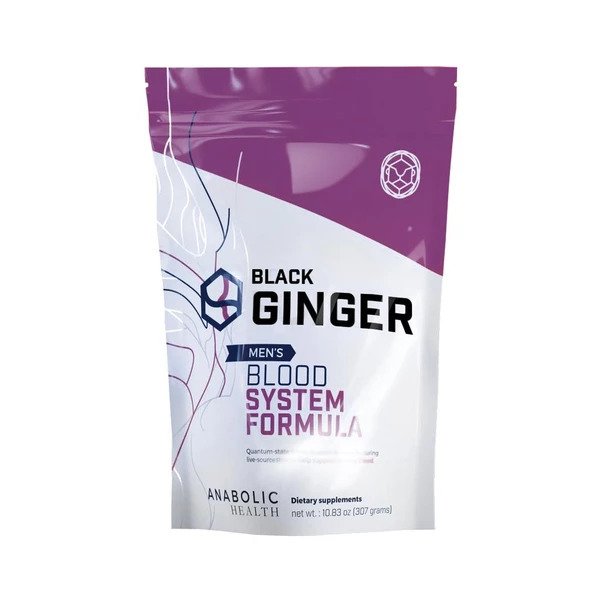
Authentic Thai Kaempferia parviflora — our flagship men’s circulation and vitality formula, standardized for methoxyflavones and third-party tested.
★★★★★ $44.95 $39.95
Dangerous Possibilities
Experts are expressing concern regarding Xanthoparmelia’s growing popularity. Although people aren’t really licking their pavements, there’s already an abundance of supplements containing the lichen.
Like us, experts aren’t necessarily worried about whether it will work. What they’re concerned about is its toxicity, which likely stems from the very compounds behind it’s positive effect on blood flow.
To make matters worse, dangerous esters belonging to the epipolythiodioxopiperazine (ETP) class have also been isolated from the lichen.
These esters make it harder for healthy cells to produce energy. As for cells that have already been compromised, they fail to generate energy altogether.
Cells ultimately undergo an early death, which will have serious ramifications on overall health if allowed to continue. So, instead of helping you fight impotence or achieve a better pump, this lichen might get you hospitalized.
While this is worrying enough, more things about the lichen are yet to be discovered. New esters with the same harmful effects, for example, are still being discovered.
With these in mind, the lichen does seem more suited for use in the fight against cancer where rapidly growing cells are a problem. Men should definitely look elsewhere if all they’re after is better blood flow.
More Harm with Metals
The issues don’t end with what’s naturally in Xanthoparmelia scabrosa. As it grows just about anywhere, even on roads, there’s the risk of it accumulating heavy metals within itself.
Paths with lots of traffic tend to have high concentrations of cadmium and lead. These two are among the top ten chemicals that put the public at risk, as listed by the World Health Organization.
Cadmium, though not often talked about, is highly toxic. In fact, if for some reason cadmium accumulates in your body, your kidneys will suffer and ultimately fail.
Your entire skeletal system will, likewise, undergo degradation. And as you can surely imagine, having weak bones will only put you at greater risk of suffering an injury.
There’s also the risk of getting tumors, with cadmium being quite carcinogenic. Kidney, lung, and prostate cancers have all been linked to this toxic heavy metal.
The Agency for Toxic Substances and Disease Registry (ATSDR) ranks cadmium as the seventh most hazardous substance. As for lead, they put it at second place, behind only arsenic.
What can lead do? Aside from causing brain and kidney damage, as well as inducing depression and memory issues, it hinders the blood from carrying oxygen—and things only get worse the longer you’re exposed.
There’s Truly No Escape
You might be thinking that metals won’t be a problem if you’re going to take the lichen in supplement form, either as pill or powder. Also, since it’s been processed, its own toxic compounds should have been removed, right?
Truth be told, there’s probably little difference between Xanthoparmelia as it’s found on the pavement and when it’s put in a bottle. Given how lichens excel in absorbing metals, getting rid of such impurities is a tall order.
The same can be said for eliminating toxic compounds produced by the lichen itself. As we’ve mentioned, more of these substances are yet to be discovered, making this task rather difficult.
Harvesting it properly is, likewise, next to impossible given how well it sticks to surfaces. Merely scraping it off will only result in a lot more impurities within the end product.
Knowing these, it isn’t surprising at all that those who’ve purchased a bottle probably ended up with something that barely contains the lichen. The composite organism grows way too slowly to keep up with demand anyway.
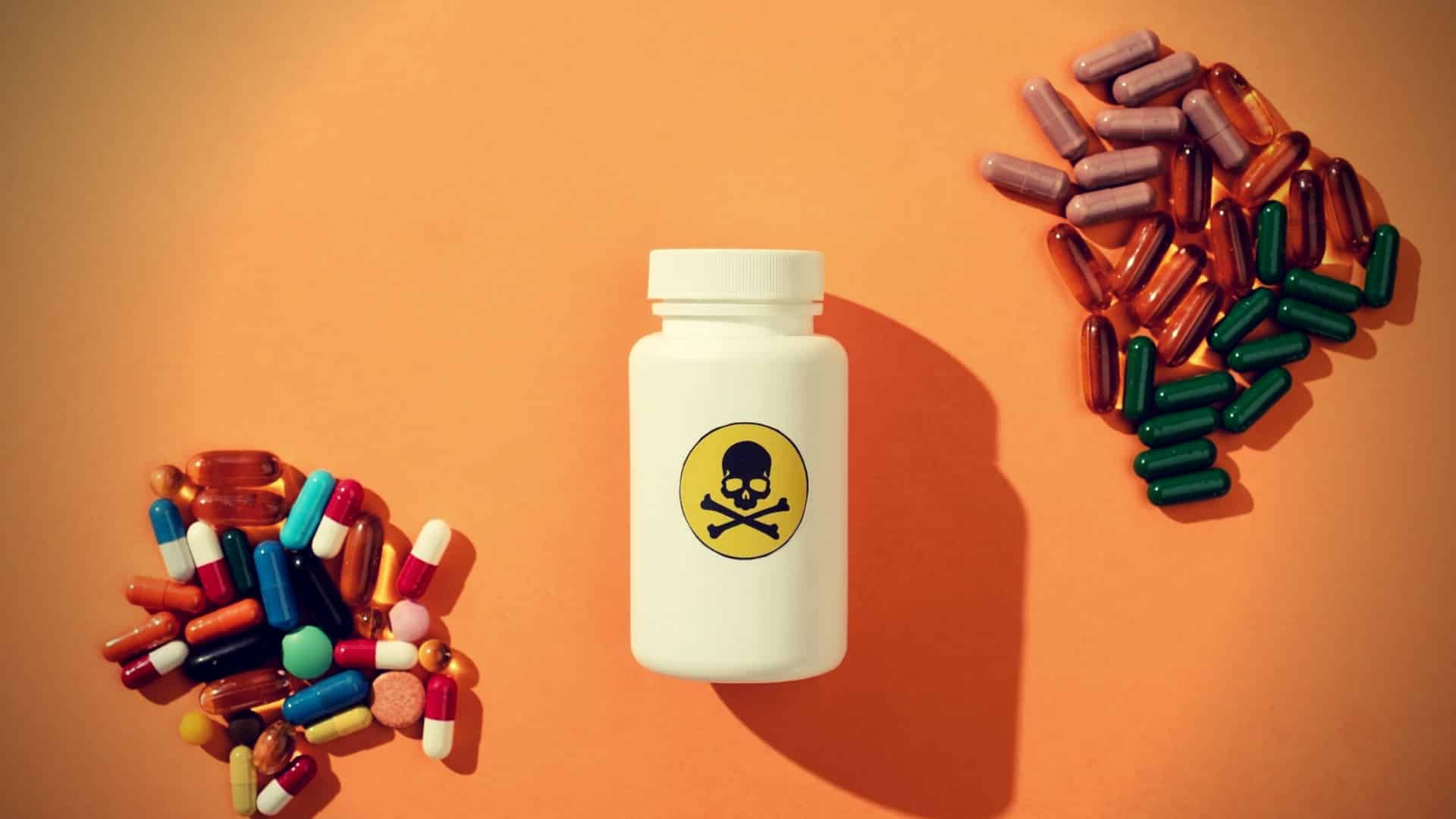
So, what do shady supplement manufacturers do? They combine Viagra, a much more accessible PDE5 inhibitor, with grass clippings—and of course, consumers won’t know the difference.
An underhanded approach. But the lichen’s rising, though undeserved, popularity makes it too tempting to pass up. Besides, with limited supplement regulations, there aren’t much repercussions to worry about.
How about a Safer Pick?
All in all, taking Xanthoparmelia scabrosa is a bad idea. To fight impotence or for a better pump, as well as improved performance in the long run, go with black ginger instead—it’s safe, effective, and science backed.
By the way, we believe in black ginger so much that we created our own supplement with this herbal wonder. 100% natural, zero additives, massive power for your blood flow. So much more that any sort of Xanthoparmelia supplement will ever give you, and with zero side effects at that. 😉
The Safer Alternatives That Actually Have Human Evidence
If you arrived here looking for a natural PDE5/circulation supplement, here are the options with published human trial data:
- Black Ginger (Kaempferia parviflora) 100–200 mg/day — documented natural PDE5 inhibitor. Thai trial data on grip strength and sexual satisfaction in elderly men. Clean safety profile at standard doses.
- L-citrulline 3–6 g/day — raises plasma arginine more efficiently than oral L-arginine; supports nitric oxide synthesis. Most-studied non-prescription ED supplement.
- Beet root powder 3–6 g/day or 8 oz beet juice — dietary nitrate → nitric oxide pathway. Documented vasodilation effect.
- Pycnogenol 100–200 mg/day + L-arginine 1.7 g/day — the 2003 Stanislavov + Nikolova trial showed 80–90% IIEF improvement at 3 months.
- Tongkat Ali 200–400 mg/day — testosterone substrate herb with strongest male-libido evidence.
- Butea Superba — direct DHT and erection-quality support.
- Prescription PDE5 inhibitors (sildenafil, tadalafil) — for moderate-to-severe ED, dramatically more potent than any natural alternative. Discuss with your doctor.
For deeper protocols on each, see natural PDE5 inhibitors, blood flow supplements, herbal aphrodisiacs, natural viagra alternatives, male enhancement (evidence-ranked), and herbal viagra alternatives.
The AH Stack-Friendly SKUs
- Black Ginger (Kaempferia parviflora) — the documented natural PDE5 inhibitor with published Thai trial data; the safer alternative to Xanthoparmelia.
- Tongkat Ali (Eurycoma longifolia) — testosterone substrate herb.
- Butea Superba — direct DHT and erection-quality support.
- Ashwagandha — cortisol modulation for stress-driven sexual dysfunction.
Frequently Asked Questions
Q: Is Xanthoparmelia scabrosa safe?
A: Pure Xanthoparmelia at low doses appears low-risk based on traditional use, but this is a low evidence bar. The bigger safety problem: many products labelled “Xanthoparmelia scabrosa” or sold for ED have been found contaminated with undisclosed prescription PDE5 inhibitors (sildenafil, tadalafil). The FDA has issued multiple warnings about adulterated male-enhancement supplements. If you take a Xanthoparmelia product and feel a strong “Viagra-like” effect, that’s almost certainly hidden prescription drug, not the lichen.
Q: Does Xanthoparmelia scabrosa actually work for ED?
A: There are no published human RCTs demonstrating efficacy. The PDE5-inhibition claim traces to in-vitro lab studies on isolated lichen extracts, which doesn’t reliably translate to human dosing. Anecdotal reports of efficacy are confounded by the documented adulteration issue (the apparent effect is from undisclosed prescription drugs). For evidence-supported natural ED interventions, look elsewhere.
Q: What’s the FDA’s position on Xanthoparmelia supplements?
A: The FDA has issued multiple recalls and warnings about male-enhancement supplements, including some marketed with Xanthoparmelia, found contaminated with undisclosed sildenafil, tadalafil, or analogues. These hidden prescription drugs can be dangerous — especially for men on nitrates (heart medications) where the combination can cause life-threatening hypotension. Avoid male-enhancement products that claim “instant” or “Viagra-like” effects without prescription.
Q: What’s the best natural alternative to Xanthoparmelia?
A: Black Ginger (Kaempferia parviflora) for PDE5-pathway support — clean safety profile, published Thai trial data, documented natural PDE5 inhibition mechanism. For broader sexual function, Tongkat Ali for testosterone substrate, Butea Superba for direct DHT/erection support, ashwagandha for stress-driven decline, and L-citrulline + beet root for the NO pathway. Stacking 3–4 mechanisms produces more reliable results than any single supplement.
Q: How can I tell if a male-enhancement supplement is contaminated?
A: Red flags: (1) “instant” or “rapid-acting” claims (real natural compounds work over weeks, not minutes), (2) effect that feels indistinguishable from prescription Viagra, (3) proprietary blends without disclosed dosing, (4) marketing that mimics prescription branding. The FDA maintains a public list of adulterated male-enhancement products at fda.gov — check before purchasing unfamiliar brands. Stick to single-ingredient products from reputable manufacturers with transparent dosing and third-party testing.