Medically reviewed by Ivan Kokhno, MD — Research analysis by Alex Eriksson · Updated May 2026
The natural compounds with the strongest published evidence for blocking 5-alpha reductase (the enzyme that converts testosterone into DHT) are saw palmetto, pumpkin seed oil, green tea (EGCG), stinging nettle root, and rosemary oil. None match finasteride for potency, but stacked they produce measurable DHT reduction in clinical trials with cleaner side-effect profiles.
The honest framing: blocking DHT systemically reduces hair loss but also flattens libido, mood, energy, and lean-mass response to training — the same things DHT supports when it’s working. The smarter play for most men is topical scalp blockers + systemic DHT preservation rather than systemic blocking of an androgen the rest of the body needs. Full list of 21 evidence-backed natural DHT blockers below, ranked by published evidence strength.
What blocks DHT? When people ask that, the first thing that usually comes to mind is Finasteride.
It’s one of the most popular modern remedies to treat receding hairlines. The downside? Finasteride is a synthetic DHT blocker, and it has its side effects.
Many men are looking for natural alternatives, and that’s the focus of this short guide. Today, we will cover all the most effective options to help you find a natural (and effective) DHT blocker without nasty downsides.
What Blocks DHT
- What is DHT and What Are Its Functions?
- 1. Caffeine
- 2. Saw palmetto
- 3. Rosemary Oil
- 4. Soy
- 5. Green Tea
- 6. Stinging Nettle
- 7. Tea Tree Oil
- 8. Ecklonia Cava
- 9. Flaxseed
- 10. Pumpkin Seed Oil
- 11. Lavender Oil
- 12. Pygeum
- 13. Black Pepper
- 14. Rosemary
- 15. Sesame Seeds and Its Oil
- 16. Lycopene
- 17. Grapeseed
- 18. Reishi Mushroom
- 19. Fenugreek
- 20. Licorice Root
- 21. Gingko Biloba
- Conclusion
What is DHT and What Are Its Functions?
Dihydrotestosterone (DHT) is a type of androgen, a male sex hormone. DHT is naturally produced in the human body and is primarily responsible for forming the physical characteristics we typically see in males.
Sounds good, right? So why would anyone want to block DHT?
Experts believe that DHT is responsible for making the hair follicles on the head to shrink. When the hair follicles become smaller, this results in slower hair growth and eventual baldness.
That’s why there are so many clinical studies that focus on what blocks DHT in the scalp. Also, keep in mind DHT affects not only men, but women too.
Studies estimate that up to 50% of men will experience male-pattern hair loss due to overproduction of DHT by the age of 50.
Remember that DHT isn’t essentially a bad hormone. In fact, as an androgen it’s responsible for producing the characteristic male traits in the body.
In all fairness, DHT is crucial for male health. What researchers are interested in is blocking the excess of this hormone that happens to men and women later in life.
In the next section we will go over what blocks DHT naturally. Here’s a quick overview of what we added to our list:
- Caffeine
- Saw palmetto
- Rosemary Oil
- Soy
- Green tea
- Stinging nettle
- Tea tree oil
- Ecklonia Cava
- Flaxseed
- Pumpkin seed
- Lavender Oil
- Pygeum bark
- Black pepper
- Rosemary
- Sesame seeds
- Lycopene
- Grape seed
- Reishi Mushroom
- Fenugreek
- Licorice
- Gingko Biloba
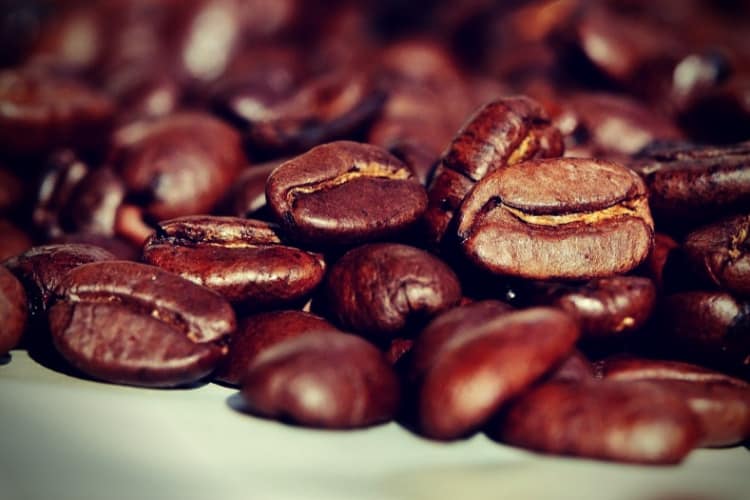
1. Caffeine
There is some research that suggests coffee may be effective promoting hair growth and combating male-pattern hair loss. Some experts believe this is because caffeine can effectively block DHT.
Researchers performed studies that go all the way back to the 2000s where caffeine is combined with other substances. The goal is to find effective treatments for male-pattern hair loss (known as androgenetic alopecia, AGA).
Some of these researchers strongly suggest that treatments with caffeine in their formula are very effective.
Remember that caffeine also has anti-inflammatory effects, and quite a few other health benefits:
- Promotes blood flow
- Prolongs the life of hair follicles
- Stimulate the growth of new hair
- May reduce the risk of stroke by about 22%
- May reduce the risk of developing type 2 diabetes
2. Saw palmetto
Saw palmetto is one of the most popular herbs when it comes to treating hair loss. Its extracts also help improve overall hair health.
The active compounds in saw palmetto block the enzyme in the human body that converts testosterone into DHT, 5-alpha-reductase (5-AR). This effect helps to increase hair density by dialing down the effect of DHT on the hair.
Here are some of its other health benefits:
- Improves the function of the urinary tract
- Reduces symptoms of urinary tract infection
- Supports prostate health and reduces growth of cancer cells
- Anti-inflammatory benefits
3. Rosemary Oil
You can use rosemary oil as a form of topical treatment to block DHT. It directly blocks the action of DHT on the scalp by preventing it from attaching to its receptors in the skin.
Animal studies show that this oil can block up to 94.6% of DHT when applied to the scalp. It’s also suggested that this oil may help stimulate hair growth.
Here are the other health benefits of rosemary oil:
- Improves brain function
- Increases information recall and concentration
- Comparable to acetaminophen (paracetamol) in terms of pain relief
4. Soy
Soy is a popular food source for a lot of reasons. On top of that, it contains several natural DHT blockers, which include:
- Genistein
- Equol
- Biochanin A
This makes soy one of the most potent DHT blockers on this list.
Keep in mind, though, that soy is rich in phytoestrogens—plant-based mimics of the female sex hormones estrogens. Sure, studies have confirmed that soy is safe for healthy men, meaning it doesn’t affect their hormone levels if those are in good balance.
However, men with hormonal imbalance might want to limit their soy intake just in case.
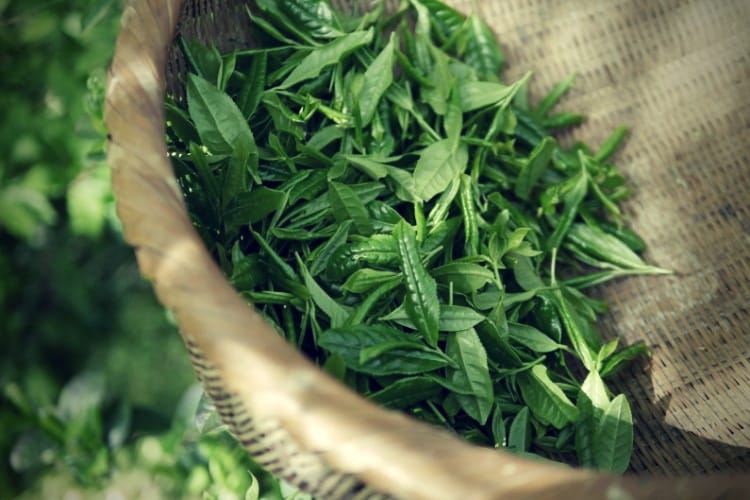
5. Green Tea
There is a whole lot of health benefits associated with green tea. It is packed with plenty of nutrients, vitamins, and minerals that are good for the body.
Green tea is a great source of catechins, a kind of water soluble polyphenol. Catechins help to protect the brain, heart, and other organs.
Another polyphenol found in green tea is EGCG, which can effectively block DHT.
Here are the other health benefits that you can get from green tea:
- Improves the body’s ability to burn fat
- Reduces bad breath
- It may help prevent type 2 diabetes
- Improves brain function
- It may boost cardiovascular health
6. Stinging Nettle
Stinging nettle is another herb that’s popular in traditional medicine. Studies suggest that it may help reduce prostate size. It also has anti-inflammatory effects and it may help improve one’s urinary flow.
Apart from blocking DHT, it is suggested that extracts from stinging nettle also help balance testosterone levels, which eventually helps to prevent hair loss.
7. Tea Tree Oil
If you’re looking for what blocks DHT naturally that you can use as a topical solution, then tea tree oil may be a good option. Studies show that it can effectively block DHT.
Apart from that, tea tree oil also has a lot of other health benefits, which include the following:
- Can be used as a natural mouthwash
- Can effectively remove toe nail fungus
- Is quite effective against acne
- Boosts the body’s ability to heal wounds
- Has antiseptic properties, which is useful for minor scrapes and cuts
- Can be used as a deodorant
- Works as an insect repellant
- Can also be used as a hand sanitizer
8. Ecklonia Cava
Ecklonia cava is an alga that grows in the ocean around Korea and Japan. It’s rich in antioxidants and anti-inflammatory compounds.
Ecklonia is a popular ingredient in these countries for making different kinds of soup. It’s also used in traditional medicine as a local folk remedy.
Studies suggest that Ecklonia cava extracts can block up to 61.5% of DHT in the scalp. It can be used as a topical solution that can be applied on the scalp.
9. Flaxseed
Flaxseeds are rich in lignans and omega-3 fatty acids. You can add it to your recipes to enjoy its DHT blocking properties and also to help enhance hair growth.
Here are some of its other health benefits:
- Good source of high quality protein
- May lower blood pressure
- Improves cholesterol
- Rich source of dietary fiber
- May reduce one’s risk for cancer
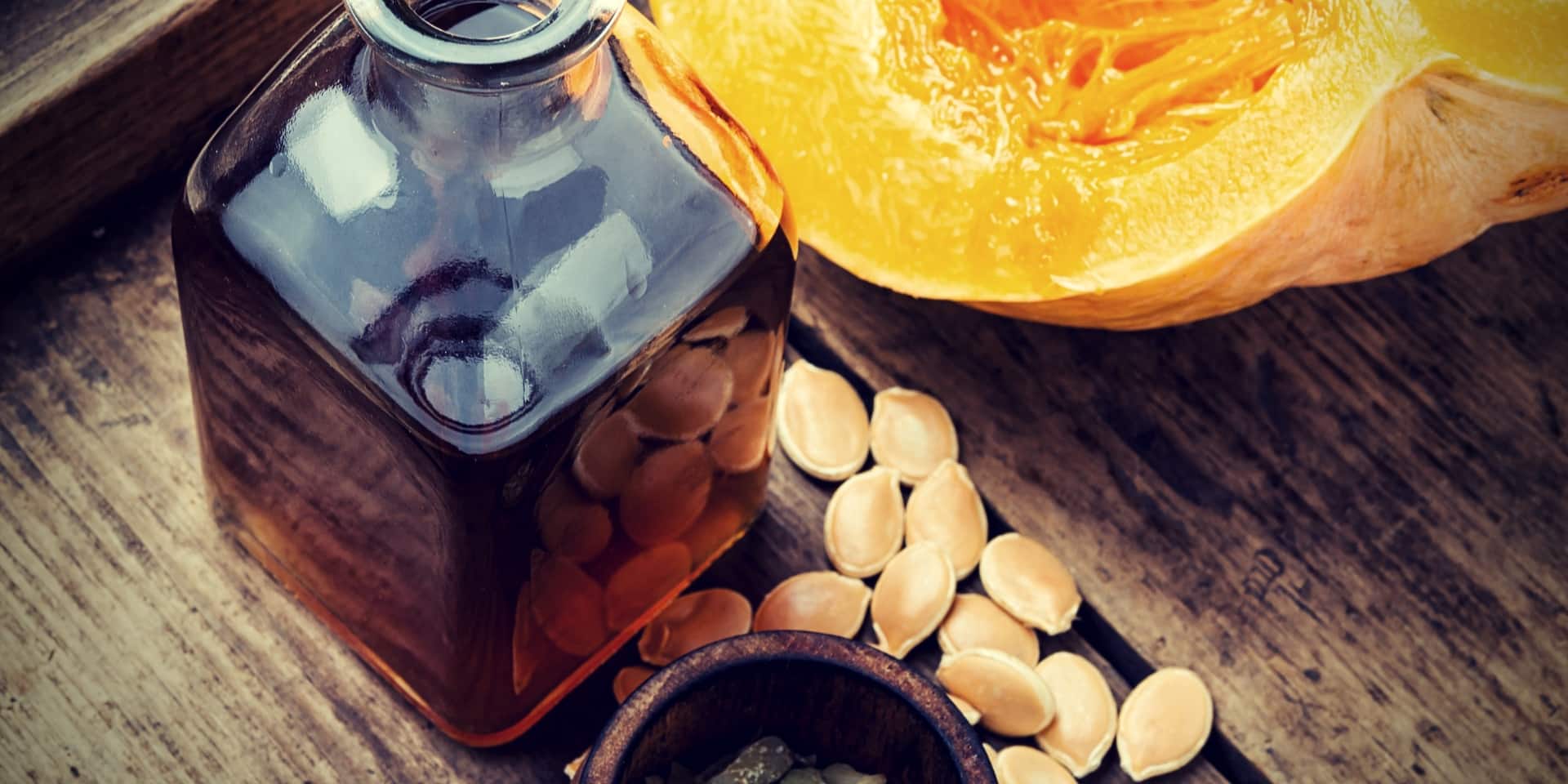
10. Pumpkin Seed Oil
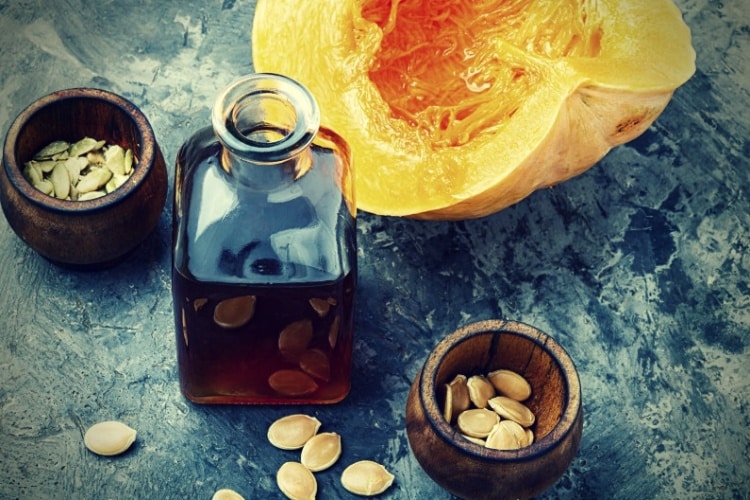
Pumpkin seed oil is another great natural option if you’re interested in treating male pattern baldness. You can apply it topically or just add it to your favorite recipes.
Also, pumpkin seed oil can gently cleanse the skin. It’s rich in minerals, fatty acids, and antioxidants that are essential for hair care.
In one study, it has been shown that using pumpkin seed oil may improve hair growth by 44.1%.
11. Lavender Oil
Lavender oil is another potential topical solution when you’re looking for what blocks DHT naturally. It is also has a lot of other potential health benefits.
According to one study, lavender oil may provide the following health benefits for hair growth:
- Increase hair follicle depth
- Improve the thickness of skin layers
- Increase the number of hair follicles on the scalp
12. Pygeum
Pygeum is a botanical extract from the African cherry tree (Prunus africana) and it’s used to help with urinary problems that are caused by prostate enlargement. It also has anti-androgenic properties.
Studies also show that extracts from pygeum bark contain DHT blockers. These extracts interact with androgen receptors thereby effectively blocking or reducing the production of DHT.
13. Black Pepper
Black pepper, just like turmeric, contains piperine, which is responsible for its pungent smell. Piperine is the active compound in both herbs.
Piperine has anti-inflammatory properties and can help with poor digestion, headaches, and nausea. It has also been shown to inhibit certain types of androgens thus working as an effective DHT blocker.
The other health benefits that can be gained from black pepper include:
- May help against some types of cancer
- May lower cholesterol levels
- Researchers suggest that it may aid in controlling blood sugar levels
- Has anti-inflammatory properties
14. Rosemary
Both rosemary oil is used as an alternative remedy to treat hair loss.
Besides packing various DHT-blocking compounds, rosemary has potent anti-fungal, painkilling, and anti-inflammatory properties.
And it’s not just the oil that can help; rosemary extracts also contain the same compounds that block DHT. The extracts have been seen to block up to 94.6% of DHT.
15. Sesame Seeds and Its Oil
Sesame seeds and sesame seed oil are common in many kitchens around the world. Maybe you have them in your pantry too?
You can top your favorite dishes with sesame seeds and get that distinct nutty flavor. You can even use it in lieu of the oil you’re already using in your kitchen.
Sesame seed and its oil are rich in essential fatty acids.
Studies show that sesame seeds are a rich source of lignans. Lignans are effective at reducing DHT levels by tweaking testosterone transformation into DHT.
16. Lycopene
Lycopene is a pigment and also an antioxidant. It’s one of those compounds that are responsible for giving fruits their bright colors.
Since it is an antioxidant, it protects the cells from damage caused by free radicals. Lycopene modulates the IGF which in turn controls DHT production.
Apart from blocking DHT, lycopene also supports prostate health. Here are some of the other health benefits from lycopene:
- Reduces cancer risk
- Improves cardiovascular health
- Increases sun protection
- Improves eyesight
- Protects the brain
- Pain reducer
- Helps keep bones strong
Most of us think of tomatoes when we talk about lycopene. But there are other rich sources as well like watermelon, apricots, and grapefruit.
17. Grapeseed
Grapeseed and its oil is another rich source of DHT blockers. It also contains vitamin E and other antioxidants that can help improve hair growth.
18. Reishi Mushroom
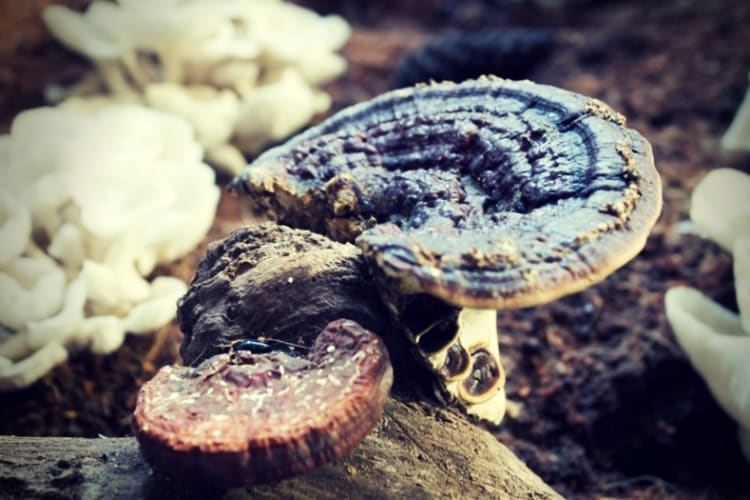
Reishi mushrooms are relatively new when it comes to hair growth and hair loss treatments. Studies suggest that it is also an effective DHT blocker, better than other mushrooms that were tested.
19. Fenugreek
Studies suggest that fenugreek extracts can inhibit 5-alpha reductase enzymes. By doing so it increases testosterone levels in the body.
The effect of course is the increase in hair growth and also the inhibition of DHT production. Here are the other health benefits that you may get from fenugreek extracts:
- Normalize glucose metabolism
- Increase libido
- Anti-inflammatory
- Helps suppress appetite
20. Licorice Root
Licorice is also known as sweet root, and it is often used as a sweetener—mostly for beverages and candies. However, it is also used in folk medicine to treat a variety of aches and pains.
Licorice root extracts have been found to have phytoestrogenic properties, which can somewhat balance DHT action.
Apart from that, it also has a number of health benefits, such as:
- Soothing gastrointestinal problems
- Supporting the respiratory system
- Improving stress tolerance
- May help against some types of cancer
21. Gingko Biloba
Gingko biloba is another common herb when people talk about herbal supplements. Studies show that its extracts may reduce hair loss and improve hair growth.
It can help improve blood circulation in the scalp and thus help hair follicles get the nutrients they need.
Here are the other health benefits that you can get from gingko biloba:
- It is a rich source of antioxidants such as terpenoids and flavonoids which neutralizes free radicals
- Its extracts can help reduce inflammation. This is why health experts see it as a potential treatment for stroke, heart disease, cancer, IBD, and arthritis, which are medical conditions related to inflammation.
- It has the ability to increase blood flow to different parts of the body
- Supports heart health
- Its extracts may provide protection for the brain
- Improves brain function
Foods That Naturally Lower DHT: The Dietary Layer
Beyond herbs and oils, several everyday foods contain compounds that reduce 5-alpha reductase activity. The 2024 Apollo Hospitals review of dietary DHT modulation singles out:
- Tomatoes — the lycopene content provides mild 5-AR inhibition; combine with cooked-tomato sauces for better lycopene bioavailability than raw.
- Berries (blueberries, strawberries, raspberries) — biotin-rich plus polyphenolic antioxidants that protect hair-follicle stem cells from DHT-induced miniaturisation.
- Coconut oil — lauric acid is a documented mild 5-AR inhibitor; cooking with it instead of seed oils delivers a passive daily dose.
- Onions — quercetin (a flavonoid antioxidant) modulates the inflammatory environment around hair follicles that DHT exploits to drive miniaturisation.
- Edamame and other soy foods — isoflavones (genistein, daidzein) bind weakly to estrogen receptors and indirectly modulate the androgen-estrogen ratio at the scalp.
- Walnuts and pumpkin seeds — zinc-rich and contain delta-7-sterols that inhibit 5-AR. Two daily handfuls of mixed nuts deliver useful baseline support.
- Eggs — biotin, choline, and selenium for hair follicle support; the cholesterol content also supports normal hormonal synthesis (you want testosterone normal, just less of it converting to DHT in scalp tissue).
The Smarter Strategy: Topical Scalp Blocking + Systemic DHT Support
Here’s the framing most “natural DHT blocker” content misses: DHT is good for libido, mood, training response, lean mass, and erection quality. Blocking DHT systemically gets you the hair benefit AND a measurable hit to all of those other things. That’s why a meaningful fraction of finasteride users discontinue within 12 months despite slowing hair loss.
The smarter approach for most men under 50: keep systemic DHT high by working WITH the natural pathways (resistance training, body fat 8–14%, adequate zinc and vitamin D, occasional Butea Superba or Tongkat Ali cycling) AND protect scalp follicles topically with localised antiandrogens (2% ketoconazole shampoo 2-3x weekly, topical finasteride applied only to scalp, RU58841 for the experienced). This dual-track gets you hair preservation without sacrificing the systemic benefits of DHT. Our hair-thickening shampoo guide covers the topical-only protocols in detail.
For men past 50 with established pattern hair loss who don’t care about the systemic libido and energy benefits of DHT, traditional natural DHT blockers from the list above can be dosed daily with reasonable confidence. The trade-off is real but at that point may be acceptable.
The AH Stack-Friendly SKUs for the Pro-Hair Strategy
The supplements below support either pathway depending on your strategy — either preserving systemic DHT (the recommended route for men under 50) or addressing the underlying hormonal balance that drives hair loss in the first place:
- Ashwagandha — cortisol management; chronic stress drives hair loss independently of DHT and worsens follicle sensitivity to androgens.
- Anabolic Octane (D-K-A-E multivitamin) — vitamin D status independently affects hair follicle cycling; deficiency is a common confounder.
- Butea Superba — for men optimising for libido and training response who accept the hair trade-off (or pair with topical scalp protection).
- Tongkat Ali (Eurycoma longifolia) — testosterone substrate without aggressive 5-AR upregulation; better-tolerated by men also concerned with hair.
Frequently Asked Questions
Q: Which natural DHT blocker is the most potent?
A: Saw palmetto has the strongest published clinical evidence; the 2002 Marks et al. RCT showed serum DHT reduction comparable to (though weaker than) low-dose finasteride. Pumpkin seed oil at 400 mg/day has the next-best human-trial data, with one published study showing 40% hair count increase over 24 weeks in mild-to-moderate androgenic alopecia.
Q: Will eating DHT-blocker foods affect my testosterone?
A: At normal dietary quantities, no. The serving sizes of these foods that fit into a normal eating pattern produce mild 5-AR modulation without flattening testosterone synthesis. The concern is more relevant for high-dose extracted supplements (saw palmetto extract at 320 mg/day, pumpkin seed oil at 400 mg/day) than for whole foods.
Q: How long before natural DHT blockers reduce hair loss?
A: Hair growth cycles run 3-6 months, so measurable changes in shedding rate typically appear at 12-16 weeks of consistent dosing. Visible regrowth (not just slowed loss) is much rarer and usually requires combining natural blockers with topical minoxidil or microneedling. If nothing has changed at 6 months, the protocol probably isn’t strong enough for your degree of androgenic sensitivity.
Q: Is natural DHT blocking safer than finasteride?
A: Generally yes, in side-effect profile. Most natural blockers don’t reach the systemic potency that produces persistent post-finasteride sexual dysfunction in a fraction of users. The trade-off is that natural blockers are also weaker, so for advanced hair loss you may not get adequate effect from the natural-only route.
Q: Can I stack multiple natural DHT blockers?
A: Yes, and most clinical protocols do. The standard combination is saw palmetto (320 mg/day) + pumpkin seed oil (400 mg/day) + green tea catechins (300-500 mg EGCG/day) + zinc (15-30 mg/day). Multiple mechanisms (5-AR inhibition + DHT receptor modulation + antioxidant follicle protection) compound. Expect modest results — better than single-ingredient, still well short of finasteride.
Conclusion
What blocks DHT? The herbs and other food sources mentioned above should provide ample answers to that question—choose the one that best suits your dietary and hair growth needs.