
Medically reviewed by Ivan Kokhno, MD — Research analysis by Alex Eriksson · Updated May 2026
The most evidence-supported vitamins for ED in men with vasculogenic erectile dysfunction are: (1) Vitamin D3 1,000–4,000 IU/day (serum 25(OH)D 30–60 ng/mL correlates with endothelial function and erection quality; the 2018 Crafa meta-analysis found D-deficient men had 75% higher ED risk); (2) Vitamin B12 + folate + B6 for homocysteine management (high homocysteine doubles cardiovascular and ED risk); (3) Vitamin C 500–1,000 mg/day for vascular collagen and antioxidant support; (4) Vitamin E (mixed tocopherols) 100–200 IU/day for endothelial protection; (5) Vitamin K2 (MK-7) 100–200 mcg/day for vascular calcium handling.
The honest framing: vitamins for ED are corrective, not amplifying. They restore deficient micronutrient status that was contributing to vascular dysfunction. If your levels are already adequate, additional supplementation produces minimal gain. For men with documented vitamin deficiencies, repletion can produce measurable ED improvement; for men with normal baseline status, the larger gains come from L-citrulline + beet root + foundational lifestyle. The way to know which applies: blood test (25-OH-D, B12, folate, homocysteine). Below: each vitamin’s mechanism, dosing, the deficiency-vs-adequacy framework, and where vitamins fit in a broader ED protocol.
You probably don’t know about the natural ways to treat erectile dysfunction yet, but luckily there are certain vitamins for ED that can help you improve performance and achieve sexual satisfaction.
Before we jump into the vitamins for erectile dysfunction though, we first need to fully understand ED—after all, not all cases of this condition have the same origin.
Erectile dysfunction or impotence is one of the most common conditions that affect men, especially middle-aged men. By 2025, it’s estimated that about 300 million men will be affected by ED to some extent.
It can caused by various physical issues, sometimes even psychological stress that can lead to poor self-esteem and relationship problems.
Health conditions such as atherosclerosis and diabetes contribute to blockage of blood vessels, leading to ED. Some medications may even interfere with your nervous system, preventing proper sexual function.
Hormonal imbalance could also lead to impotence and decreased sexual desire. Young men are not likely to experience hormonal conditions, given that their hormone production is within accepted norms.
Interestingly, however, young men are quite susceptible to the psychological causes of erectile dysfunction. These include rejection, relationship problems, work-related stress, and depression.
Vitamins for ED
- Our Supplement Picks
- Vitamin B-Complex
- Vitamin D
- Vitamin E
- Vitamin C
- Citrulline
- Just a Few Reminders
Our Supplement Picks
Now that you’ve gained a basic understanding of ED, it’s time we have a look at the very best vitamins for treating the condition. Take note of what each vitamin provides and compare it to what’s causing your sexual dysfunction.
The Fat-Soluble Vitamins, In One Formula
This article makes the case for D, K2, A and E together — which is exactly the formula we ended up building, because nobody else sold the four in one place.
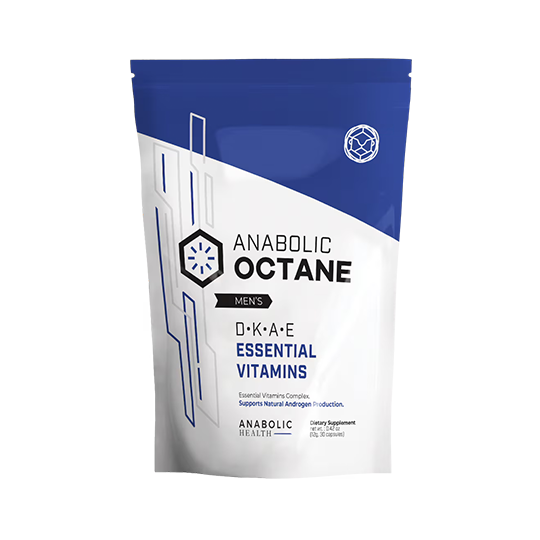
The four fat-soluble vitamins that matter most for male hormones — D, K2, A and E — in ratios designed to work together, in one formula.
★★★★★ $24.95 $19.95
Vitamin B-Complex
There are different B vitamins that you can take as natural ED treatment, namely B1, B3, B6, and B12. They’re usually grouped together as B-complex vitamins and may also contain other members of the B family.
Vitamin B1 (Thiamine) is known to improve nerve health and cellular energy, as well as contributing toincreased erectile strength.
Vitamin B3 (Niacin) reduces cholesterol levels, which can help support normal blood flow. With proper blood circulation established, an erection can easily be achieved during intimacy.
Taking vitamin B6 can help support the adrenal glands and reduce stress. This vitamin promotes better erectile function and improves sexual satisfaction as it enhances the neurotransmitters that stimulate mood.
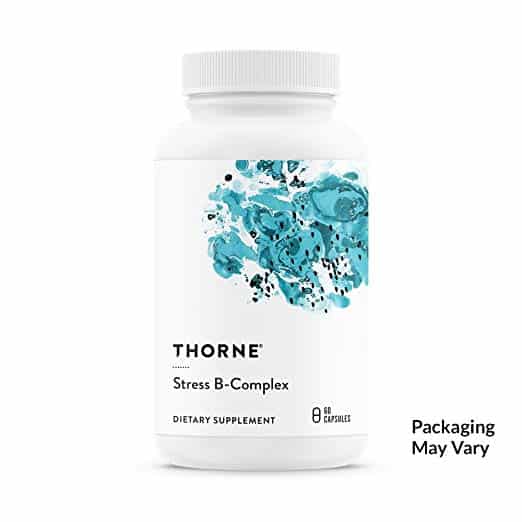
Vitamin B-Complex
Vitamin B12, on the other hand, is important in maintaining overall sexual health. Not having enough of this vitamin can lead to erectile dysfunction and infertility, therefore it’s highly recommended to take this supplement daily.
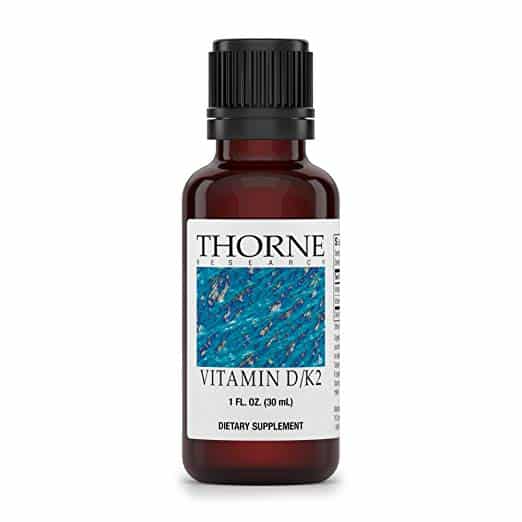
Vitamin D
Vitamin D
Vitamin D is essential for muscular support and healthy bones. It also boosts immune function and reduces heart disease and overall cardiovascular disease risk.
For those with ED issues though, this vitamin increases testosterone levels while helping the body produce more nitric oxide. By taking vitamin D, you’ll maintain your hormonal balance as well as improve your overall sexual health.
By the way, if you’re suffering from vitamin D deficiency, it’s likely that you’d have reduced nitric oxide and testosterone levels. So, you really should try to maintain the right vitamin D levels.
Vitamin E
A classic example of a fat-soluble vitamin, Vitamin E helps treat ED by improving blood circulation and overall mood. It also increases arousal and stimulates prostaglandin production;it may even help prevent prostate enlargement.
As a powerful antioxidant, vitamin E increases nitric oxide in your body while strengthening your erections. With daily intake of this vitamin, it’s likely that you’ll get a noticeable improvement in your performance.
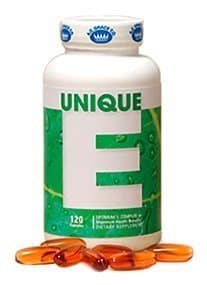
Vitamin E
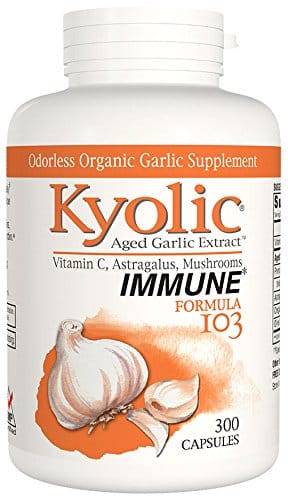
Kyolic Aged Garlic Extract
Vitamin C
Arguably the most popular among water-soluble vitamins, vitamin C improves the production of nitric oxide and fights off free radicals. It also makes sure that your immune system is at its best.
Vitamin C reduces high blood pressure and raises testosterone levels. If you want to say goodbye to ED, this vitamin has been proven to improve blood flow to the penis and other body parts.
You could take this vitamin with garlic to achieve even higher levels of nitric oxide. Also, it’s a great choice if you’re aiming for detoxification, improved digestion, and keeping inflammation under control.
Citrulline
Though not really a vitamin, citrulline is one of the most powerful dietary supplements in improving erection—and so we need to at least mention it here.
Citrulline is converted into an amino acid called L-arginine, which in turn facilitates the creation of nitric oxide. This supplement addresses ED by relieving endothelial dysfunction and preventing blood vessel hardening.
Perhaps you’re wondering why you shouldn’t just take L-arginine supplements. Well, that’s because you won’t be getting as much nitric oxide—and as you may have heard, nitric oxide is the main mediator of an erection.
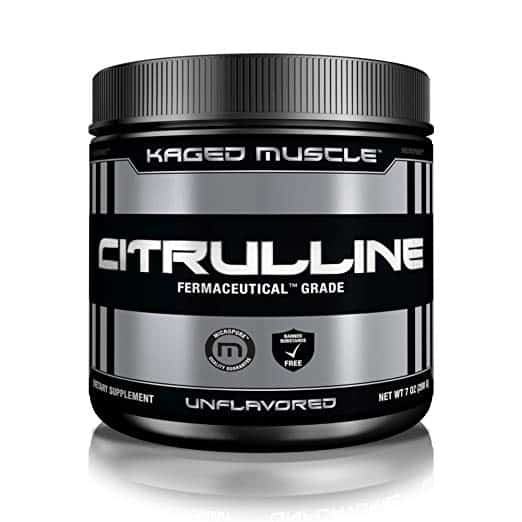
Citrulline
When ingested, almost 50 percent of L-arginine is converted to ornithine through the liver enzyme called arginase. Meaning, half of it won’t be converted to nitric oxide and will only be metabolized by the liver.
Do keep in mind though, that vitamins and minerals alone cannot solve or prevent men’s health concerns such as Ed. You need to eat healthy every day and do enough exercise—yes, you’ll have to work to maintain overall health for them to deliver optimal benefits.
Just a Few Reminders
When it comes to fighting erectile dysfunction, it’s important to consider the possible side effects of medications. That’s why we recommend supplementation, especially if the problem’s just showing its earliest signs.
Before taking any supplement, consult your doctor just to be sure. Although they don’t carry nearly as much risk as prescription ED drugs, they can still trigger side effects and cause issues when taken with certain medications.
Vitamin B complex, for example, isn’t suited for those with gastrointestinal issues (such as ulcers in the stomach and colon). It’s also not recommended for people with allergies to iron or vitamins B, C, and E.
Vitamin D, on the other hand, could prove to be dangerous to anyone who has excessive amounts of calcium in their blood. Diseases like tuberculosis and hyperparathyroidism cause elevated serum calcium levels.
Despite being deemed safe in most cases, even vitamin C could cause problems under certain conditions—such as when there’s too much oxalic acid in the urine. And there’s also the possibility of allergies being triggered.
Still, all things considered, you really don’t need to compromise your sex life and peace of mind just because of impotence. Improve your sexual performance naturally by taking the right vitamins for ED.
The Bigger ED Picture: Where Vitamins Fit in the Stack
Vitamin supplementation alone is not a primary ED treatment. It addresses the deficiency-driven contribution to vasculogenic ED and supports the broader vascular foundation. The cleanest practical layering:
- Foundation: foundational lifestyle (resistance training 3–5x weekly, body fat 8–15%, low-sodium Mediterranean diet, 7–9 hours sleep, smoking cessation, alcohol limit). These produce the largest gains in erectile function over 8–16 weeks.
- Vitamin layer (covered in this article): D3 + K2 + B-complex + C + E. Anabolic Octane (D-K-A-E) covers four of the fat-soluble vitamins in one supplement.
- NO-pathway compounds: L-citrulline 3–6 g/day + beet root 3–6 g/day; the most-studied non-prescription ED nutritional intervention.
- Natural PDE5 inhibitors: Black Ginger (Kaempferia parviflora) 100–200 mg/day. The documented natural PDE5 inhibitor.
- Hormonal substrate: Tongkat Ali 200–400 mg/day for testosterone substrate; Butea Superba for direct DHT and erection-quality support.
- Cortisol/stress: Ashwagandha 600 mg/day KSM-66 for stress-driven ED contributions.
- Prescription PDE5 inhibitors (sildenafil, tadalafil): for moderate-to-severe ED, dramatically more potent than any natural intervention. Discuss with your doctor.
For deeper protocols, see our natural PDE5 inhibitors, blood flow supplements, L-citrulline dosage for ED, vitamins for circulation, natural viagra alternatives, and foods for harder erections.
The AH Stack-Friendly SKUs
- Anabolic Octane (D-K-A-E) — vitamin D3, K2, A, E in one foundational fat-soluble supplement.
- Black Ginger (Kaempferia parviflora) — documented natural PDE5 inhibitor; pairs with NO-pathway support.
- Tongkat Ali — testosterone substrate herb.
- Butea Superba — direct DHT and erection-quality support.
- Ashwagandha — cortisol modulation for stress-driven ED.
Frequently Asked Questions
Q: Which vitamin is best for erectile dysfunction?
A: Vitamin D3 has the strongest evidence among single vitamins. The 2018 Crafa meta-analysis pooled 11 trials and found D-deficient men had ~75% higher ED risk; D supplementation in deficient men improved IIEF scores. The effect is largest in men with documented deficiency (serum 25(OH)D under 30 ng/mL). For men with adequate D status, the marginal benefit is smaller. Check 25(OH)D before chronic high-dose supplementation.
Q: Will vitamins fix my erectile dysfunction?
A: For mild vasculogenic ED with documented vitamin deficiencies: yes, partially, alongside lifestyle changes. For severe ED, ED with diabetes/hypertension, or psychogenic ED: vitamins alone are not enough. Vitamins are corrective for deficiency-driven contributions to vascular dysfunction, not a primary ED treatment. The evidence-supported approach is foundational lifestyle + vitamin repletion + L-citrulline/beet root + natural PDE5 inhibitors, with prescription PDE5 inhibitors for moderate-to-severe cases.
Q: How long until vitamins improve ED?
A: Vitamin D status takes 8–12 weeks to fully replete; ED improvements lag by another 4–8 weeks. B12, folate, and homocysteine reductions appear in 2–4 weeks. Vitamin C and E effects on endothelial function show up at 4–8 weeks. Any vitamin-driven ED improvement is gradual; if you need immediate help, prescription PDE5 inhibitors work within 30–60 minutes.
Q: Should I get blood tests before taking vitamins for ED?
A: Strongly recommended. Test 25(OH)D, B12, folate, homocysteine, and ferritin at minimum. This tells you which deficiencies actually exist and avoids over-supplementation of vitamins you don’t need. Blood-test-driven supplementation is more cost-effective and lower-risk than blanket multivitamin dosing. Most providers will order these tests in conjunction with ED workup.
Q: Are there risks to taking vitamins for ED?
A: At standard doses, low risk. Fat-soluble vitamins (A, D, E, K) at chronic mega-doses can cause toxicity (hypercalcaemia, hepatotoxicity, bleeding risk). Vitamin E above 400 IU/day was associated with mortality increase in the 2005 Miller meta-analysis. Stick to standard doses, prefer mixed tocopherols over alpha-tocopherol alone, and avoid stacking multiple high-dose products. If you have kidney or liver disease, discuss vitamin supplementation with your doctor before starting.