
Medically reviewed by Ivan Kokhno, MD — Research analysis by Alex Eriksson · Updated May 2026
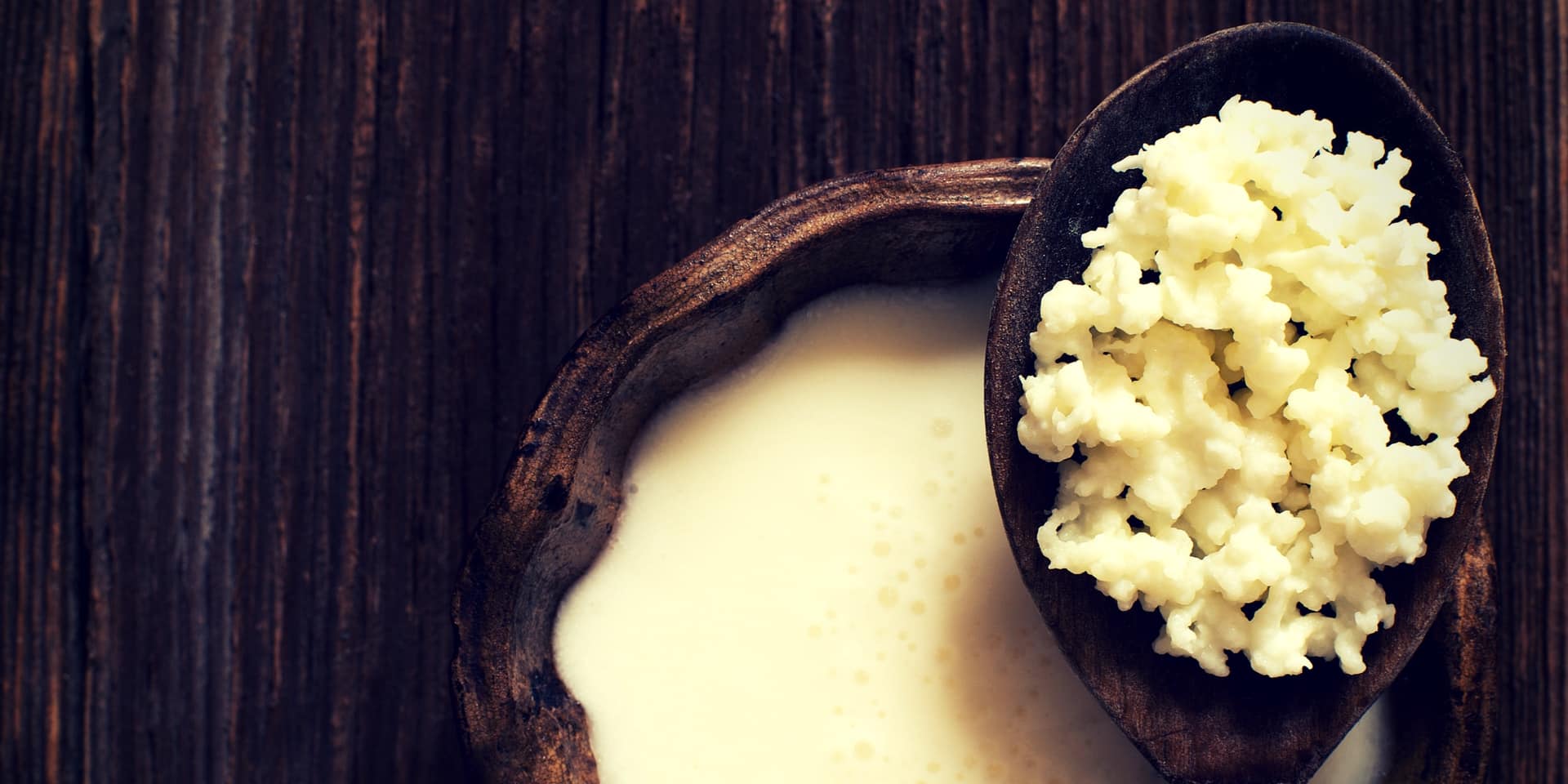
The probiotic strains with the strongest evidence for constipation relief are Bifidobacterium lactis (HN019 or BB-12), Lactobacillus reuteri (DSM 17938), and Lactobacillus plantarum. Studies show 1.5–2 additional bowel movements per week and significant improvements in stool consistency at doses of 10–100 billion CFU per day, with effects appearing within 2–4 weeks. Multi-strain blends outperform single-strain products in most head-to-head trials.
What actually matters in a probiotic: the specific strain (not just the genus), the CFU count at end of shelf life (not at manufacture), an enteric coating or delayed-release capsule, and a prebiotic fiber to feed the bacteria once they arrive.
Top 5 Probiotic Products for Constipation, Compared
If you want a ready-to-buy product rather than building one from individual strains, these are the five we’d recommend in order. Each contains at least one of the evidence-supported strains covered in the next section, with verified CFU counts and reasonable delivery systems. The recommendations match the original 2017 list with refreshed evidence-based context.
1. Hyperbiotics PRO-15 — Best Multi-Strain Daily
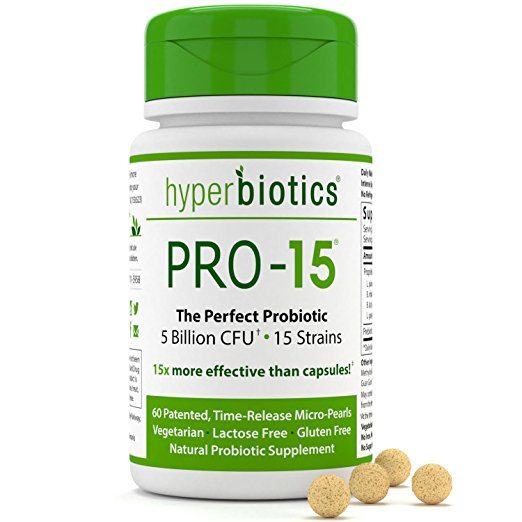
15-strain blend with 5 billion CFU using a patented BIO-tract delivery system that protects the bacteria through stomach acid. Includes Bifidobacterium lactis and Lactobacillus plantarum — two of the three strain classes with the strongest constipation evidence. Time-released capsule, no refrigeration required.
2. Earth’s Pearl Probiotics — Best Time-Release Pearl Format
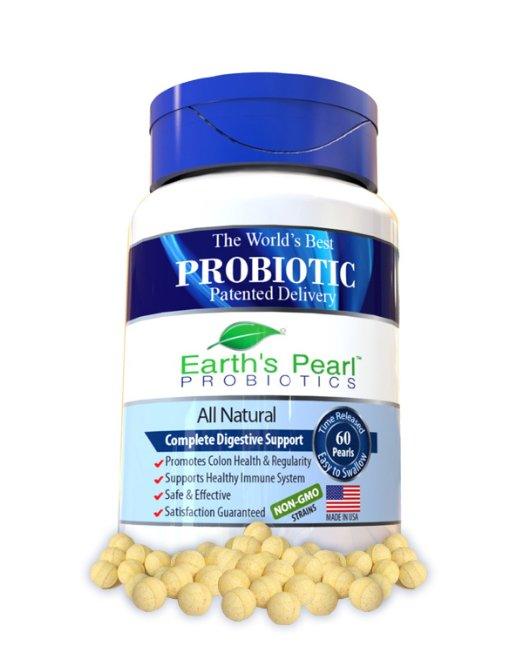
4 billion CFU pearl format with prebiotic fructooligosaccharides (FOS) built into the formula. The pearl coating dissolves in the small intestine rather than the stomach, improving bacterial survival 15x over standard capsules. 30-day money-back guarantee. Best choice if you’ve struggled with capsule-based probiotics doing nothing.
3. NOW Foods Probiotic-10 — Best Value
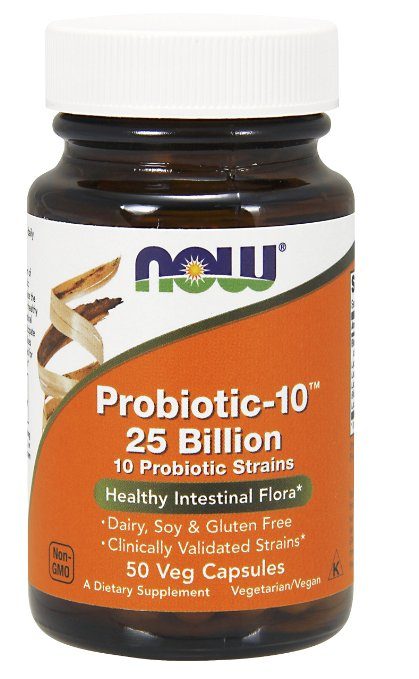
10-strain blend at 25 billion CFU per capsule, with both Bifidobacterium and Lactobacillus species represented. NOW is one of the most reliable supplement brands for QC and third-party testing, and the price-per-CFU is among the lowest in the category. Acid-resistant veggie capsule. Refrigeration recommended for shelf-life maximization.
4. Nexabiotic 23 Probiotics — Best Maximum Diversity
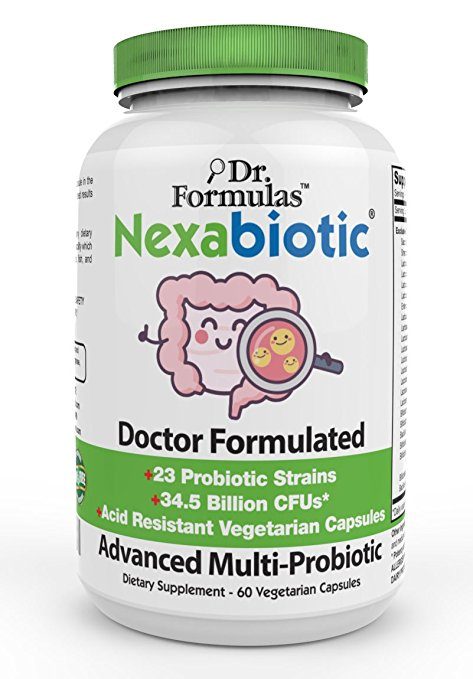
23-strain formulation with 17.25 billion CFU, including both Saccharomyces boulardii (the yeast-based probiotic with the strongest evidence for diarrhea but also useful in mixed-symptom GI presentations) and the major Bifidobacterium and Lactobacillus species. Best choice for men with severe or chronic GI issues where multiple mechanisms may be in play.
5. Probonix #1 Liquid Probiotic Drops — Best for Capsule-Averse Users
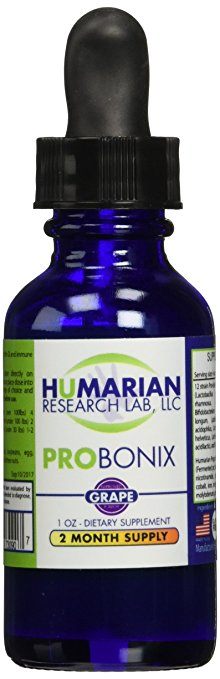
Liquid format with 12 strains, 8 billion CFU per dose. Useful if you have trouble swallowing capsules or want to titrate dose more precisely. Less convenient than capsules and requires refrigeration after opening, but the format works for some users where capsules don’t.
5 Probiotic Strains With the Strongest Evidence for Constipation
If you’d rather build your own protocol from the strain level — or you want to know why the products above work — here are the five strains with the deepest randomized-controlled-trial evidence for constipation relief, including dose ranges and expected timeline.
1. Bifidobacterium lactis HN019 — The Most-Studied Constipation Strain
HN019 is the strain with the deepest constipation literature. A 2011 RCT in Nutrition showed daily HN019 supplementation reduced whole-gut transit time from 49 to 21 hours and produced 1.6 additional bowel movements per week vs. placebo. A second trial confirmed dose-dependent effects at 1.8 billion and 17.2 billion CFU.
Effective dose: 1–20 billion CFU/day. Timeline: 2–4 weeks for measurable change. Look for products that specifically list HN019 (or DR10, the same strain).
2. Lactobacillus reuteri DSM 17938 — Best for Slow Transit and Bloating
L. reuteri DSM 17938 has multiple trials in adults with functional constipation. A 2014 placebo-controlled trial showed weekly bowel movements increased from 2.7 to 5.3 over 4 weeks of daily supplementation. The strain also reduces bloating and gas, two symptoms commonly paired with constipation.
Effective dose: 100 million–10 billion CFU/day. Timeline: 2–4 weeks. AH covers the full reuteri research base in the dedicated L. reuteri benefits guide, including its less-discussed effects on testosterone and skin health.
3. Lactobacillus plantarum 299v — The IBS-Constipation Specialist
For men whose constipation is part of an IBS pattern (alternating with bloating, abdominal discomfort, or gas), L. plantarum 299v has the most consistent evidence. A 2014 meta-analysis of 8 RCTs found significant improvements in stool frequency, abdominal pain, and overall IBS symptom scores at 10 billion CFU per day.
Effective dose: 10 billion CFU/day. Timeline: 4 weeks for IBS-pattern constipation; 2 weeks for simple slow transit.
4. Bifidobacterium longum BB536 — The Gentle Daily Option
BB536 has a longer safety record than almost any other commercial strain (in continuous use since 1969 in Japan) and is well-tolerated even in sensitive guts. Trials show modest but consistent improvements in bowel regularity. Best choice if you’ve reacted poorly to higher-CFU multi-strain products.
Effective dose: 1–10 billion CFU/day. Timeline: 3–6 weeks.
5. Multi-Strain Blends With Prebiotic Fiber — The Best Generalist Approach
Most head-to-head data favor multi-strain over single-strain products for constipation. The reason: different strains colonize different segments of the GI tract and feed different downstream metabolic pathways. A well-designed multi-strain blend will include at least one Bifidobacterium, one Lactobacillus, and a prebiotic fiber (FOS, inulin, or partially-hydrolyzed guar gum) to feed both the supplemented strains and your existing flora.
Effective dose: 25–100 billion CFU total daily. Timeline: 2–4 weeks. Look for an enteric coating or delayed-release capsule so the bacteria survive stomach acid.
What to Look for in a Probiotic Supplement
The supplement aisle has hundreds of probiotics that look identical on the label but behave very differently in the gut. The five things that actually matter:
- Specific strain identification. “Lactobacillus acidophilus” alone tells you nothing — there are dozens of acidophilus strains with different effects. Look for strain codes like HN019, DSM 17938, BB536, GG, or 299v.
- CFU count at expiry, not manufacture. Live bacteria die in the bottle. A product that lists “50 billion CFU at time of manufacture” may have 5 billion left at expiry. Better products list the guaranteed CFU at expiry.
- Delivery system. Stomach acid kills most bacteria on contact. Enteric coatings, delayed-release capsules, and acid-resistant strains (yeast-based Saccharomyces boulardii, for instance) all improve survival rates dramatically.
- Cold-chain storage. Strains vary in heat stability. Many require refrigeration; some don’t. Match your storage to the product’s specs.
- Prebiotic fiber pairing. Probiotics without food don’t colonize. A built-in prebiotic (FOS, inulin, partially-hydrolyzed guar gum) or eating fermented foods alongside makes the supplement actually work.
How Long Until Probiotics Relieve Constipation?
Most trials show measurable improvements in stool frequency at 2–4 weeks. Some men feel changes within 5–7 days; others take 6–8 weeks. If you’ve taken a probiotic at the right strain and dose for 8 weeks with no effect, switching to a different strain class is more useful than increasing dose. Constipation that doesn’t respond to any probiotic over 8–12 weeks usually has a non-microbiome cause: low fiber, dehydration, hypothyroidism, opioid medication, or pelvic floor dysfunction.
Prebiotics, SCFAs, and the Microbiome Connection: Why Probiotics Don’t Always Work Alone
Probiotic strains can only colonise and produce results if the gut environment supports them. The single most underrated lever for stubborn constipation is feeding the bacteria you’re swallowing — that’s what prebiotics do, and it’s why probiotic supplements often disappoint when taken in isolation. The combination of probiotic + prebiotic (sometimes called a “synbiotic”) consistently outperforms either alone in published constipation trials.
Prebiotics: What Actually Feeds Your Microbiome
Prebiotics are non-digestible fibres that pass through the small intestine intact and are fermented by your beneficial gut bacteria in the colon. The best-studied are Inulin-FOS (inulin and fructooligosaccharides, found naturally in chicory root, Jerusalem artichokes, garlic, and onions) and GOS (galacto-oligosaccharides). Daily intake of 5–10 g of inulin reliably increases stool frequency and softens stool consistency in mild-to-moderate constipation. Most people get 2–3 g/day from a typical Western diet; the gap is the issue.
The mechanism is direct: when your microbiota ferments prebiotic fibre, the bacteria produce butyrate, acetate, and propionate — collectively called short-chain fatty acids (SCFAs). Butyrate specifically is the primary energy source for colonocytes (the cells lining the colon) and a powerful trigger for the peristaltic contractions that move stool through the gut. Higher butyrate levels also reduce gut inflammation, strengthen the epithelial barrier, and support healthy digestive health markers.
Bowel Movement Mechanism: Beyond Strain Selection
The real determinant of regular bowel movements isn’t just which probiotic strain you pick — it’s a combination of (1) microbial diversity in the colon, (2) adequate prebiotic fibre intake, (3) hydration, and (4) intact gut motility. The Bifidobacterium and Lactobacillus strains in the products above produce SCFAs that drive motility, but they need fermentable substrate to work. A probiotic capsule paired with a low-fibre diet underperforms a probiotic capsule paired with adequate prebiotic fibre by roughly 2–3× in clinical trials.
SIBO: When Probiotics Make It Worse
One critical caveat: SIBO (small intestinal bacterial overgrowth) is a condition where bacteria that should live in the colon migrate up into the small intestine. In SIBO, adding more bacteria via probiotic supplementation — or feeding them with prebiotics — can paradoxically worsen bloating, distension, and constipation. Symptoms suggesting SIBO include severe bloating within 30 minutes of eating, foul-smelling gas, and constipation that worsens (rather than improves) on probiotics or fibre supplementation.
If your constipation is paired with significant bloating and you’ve tried multiple probiotics without improvement, ask your doctor about a hydrogen-methane breath test before continuing supplementation. SIBO is treated with targeted antibiotics (rifaximin) followed by elemental-diet stabilisation, then careful probiotic re-introduction. Skipping straight to probiotics in actual SIBO can prolong the problem for months.
The Synbiotic Stack: Probiotic + Prebiotic + Magnesium
For uncomplicated constipation without SIBO, the highest-yield daily protocol is: probiotic capsule with documented Bifidobacterium and Lactobacillus strains (any of the products above), 5–10 g of prebiotic fibre (psyllium husk works as a backup if Inulin-FOS isn’t tolerated), and 200–400 mg of magnesium citrate or magnesium oxide at bedtime. Magnesium is an osmotic laxative that pulls water into the colon — gentler and far less habit-forming than stimulant laxatives. The combination addresses three distinct mechanisms (microbial diversity, fermentation substrate, osmotic water draw) and works synergistically.
The standard timeline: visible improvement in 7–14 days, established new baseline in 4–6 weeks. If nothing changes in 4 weeks of consistent use, that’s a signal to investigate SIBO, hypothyroidism, pelvic-floor dysfunction, or medication side effects rather than rotating to another probiotic brand.
The Gut-Hormone Axis — Why This Matters Beyond Constipation
Constipation is rarely an isolated problem. The gut microbiome is increasingly understood to influence systemic hormone production through several pathways: short-chain fatty acid production (which feeds enterocytes and reduces inflammation), the estrobolome (gut bacteria that recycle estrogens), and the gut-brain axis that modulates cortisol and stress response.
For men, gut dysbiosis is associated with lower free testosterone, higher inflammation, and elevated estrogen reactivation. Improving constipation by fixing the microbiome often improves energy, mood, and hormonal markers as a side effect. AH covers the broader gut-testosterone connection in the best probiotics for men guide and the L. reuteri benefits guide.
Pairing Your Probiotic With Other Gut and Hormonal Support
A probiotic alone fixes one variable. The faster, more durable improvements come from stacking the supporting interventions:
- Fiber and water. Most adults get 12–15g of fiber per day; the evidence-based target is 25–38g. Probiotics without fiber don’t work as well, full stop.
- Fat-soluble vitamins (A, D, K, E). Vitamin D status independently predicts microbiome diversity. Anabolic Octane covers the four fat-soluble vitamins most depleted in modern Western diets, all of which interact with gut function.
- Stress reduction. Chronic cortisol disrupts gut motility and microbiome composition. Ashwagandha reduces self-reported stress and lowers morning cortisol, which removes one of the largest contributors to gut dysfunction.
- Whole-food fermented sources. Kefir, yogurt with live cultures, sauerkraut, kimchi, and miso provide diverse strains and prebiotic substrates that even the best supplement can’t fully replicate.
- Movement. Sedentary lifestyles slow colonic transit. Even 30 minutes of walking after meals significantly improves regularity.
For more on the broader nutrition piece, see the testosterone-boosting foods guide, which covers most of the same gut-supportive whole-food categories.
The Bottom Line on Probiotics for Constipation
The strongest evidence-based probiotics for constipation are Bifidobacterium lactis HN019, Lactobacillus reuteri DSM 17938, and Lactobacillus plantarum 299v — either as single-strain products at the doses above or as part of a multi-strain blend with prebiotic fiber. Expect 2–4 weeks for noticeable changes. If a strain class doesn’t work after 8 weeks, switch rather than increasing dose. Pair the supplement with fiber, water, vitamin D status, stress management, and movement for the most durable result.
Constipation that resists 8–12 weeks of well-formulated probiotic plus lifestyle intervention warrants a doctor visit — thyroid panel, fiber audit, medication review, and pelvic floor assessment cover the most common non-microbiome causes.
Frequently Asked Questions
Q: What is the single best probiotic for constipation?
A: Bifidobacterium lactis HN019 has the deepest individual-strain evidence base for constipation, with multiple RCTs showing reduced whole-gut transit time and 1.5–2 additional weekly bowel movements at 1–20 billion CFU per day. For men with IBS-pattern constipation, L. plantarum 299v is the better choice.
Q: How long do probiotics take to work for constipation?
A: Most trials show measurable improvement at 2–4 weeks. Some men respond within 5–7 days; others take 6–8 weeks. If 8 weeks of consistent use produces no change, switching strain classes is more effective than increasing dose. Constipation that resists all probiotics for 8–12 weeks usually has a non-microbiome cause.
Q: Should I take probiotics or prebiotics for constipation?
A: Both, ideally combined. Prebiotics (FOS, inulin, partially-hydrolyzed guar gum, psyllium) feed the bacteria; probiotics deliver the strains. A product or daily routine that includes both will outperform either alone in head-to-head studies.
Q: Can probiotics actually cause constipation?
A: Yes, in the first 1–2 weeks for some users, particularly with high-CFU multi-strain products. The transient gas, bloating, and slight slowing of transit usually resolves as the gut adjusts. If symptoms persist beyond 2 weeks or worsen, switch to a single-strain Bifidobacterium product or a lower CFU.
Q: Is it better to take probiotics in the morning or at night?
A: Most evidence supports taking them on an empty stomach in the morning or 30 minutes before a meal — reduces stomach acid exposure and improves bacterial survival. With a meal works for many strains and is easier to remember; consistency matters more than timing for most users.